Photography and Travel Blog

Author: Maggie Page 2 of 36

Georgetown and Rainforest

The airport in Georgetown is brand-new and impressive. This is clearly a country looking to grow as there are large oil reserves and I wonder how long it will be before the pristine rainforest suffers. It’s a 90 minute drive from the airport through industrial suburbs and along poor roads. We finally arrive at Cara Lodge Hotel at 19.30 and meet our fellow travellers. There are 10 of us altogether. It is quite a cosmopolitan group with 2 couples from the US, a couple from Germany, 1 lady from Canada and 1 from Finland. On first sight I am not sure how well we will get on. Time will tell….
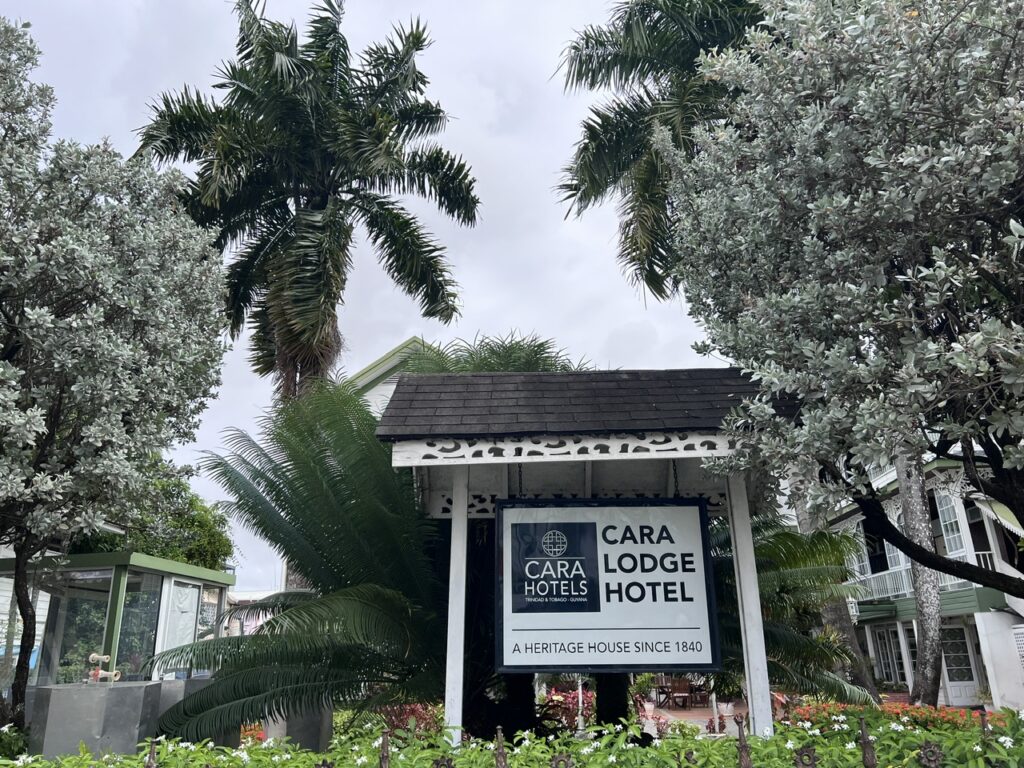
Dinner is taken in a pretty internal courtyard. Service is exceedingly slow, which necessitates a second G&T. Unfortunately we could not have one as they had run out of tonic. A rum and sprite had to suffice. I ordered pesto alfredo. Not a wise choice. A huge glutenous mass appeared. Quantity not quality! At least the chicken on top was edible.

There was is no lift so we haul our luggage up the narrow stairs. Our room is on the 2nd floor, and takes time to locate amidst the rabbit warren of balconies. It is basic, but large and clean. The bed is comfortable and there is air-conditioning. We sleep well. Breakfast was simple with under-whelming, surly service. I had a stroll around the hotel grounds whilst waiting for our 11.30 pickup to take us to our charter flight to Kaieteur Falls.

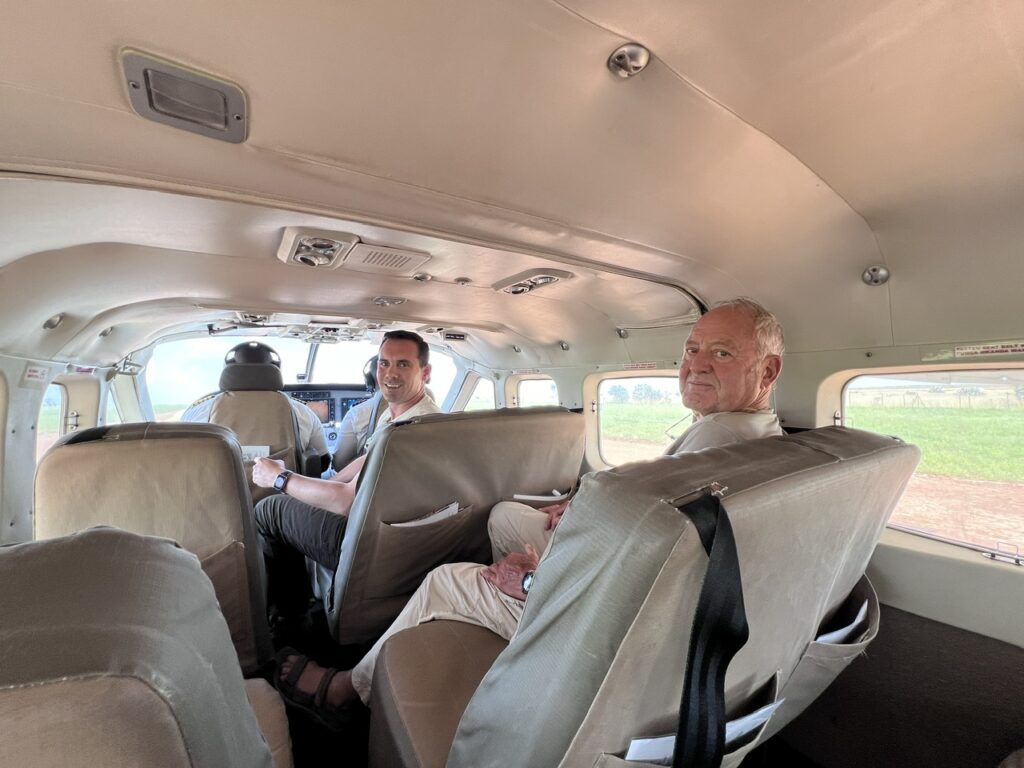
We sit in the small private charter company’s airport lounge. We wait and wait. The flight is delayed but we do not know why. A packed lunch is brought to us. It consists of chicken, rice and bean salad and is quite tasty. We finally leave on a small 12-seater plane at 14.30.

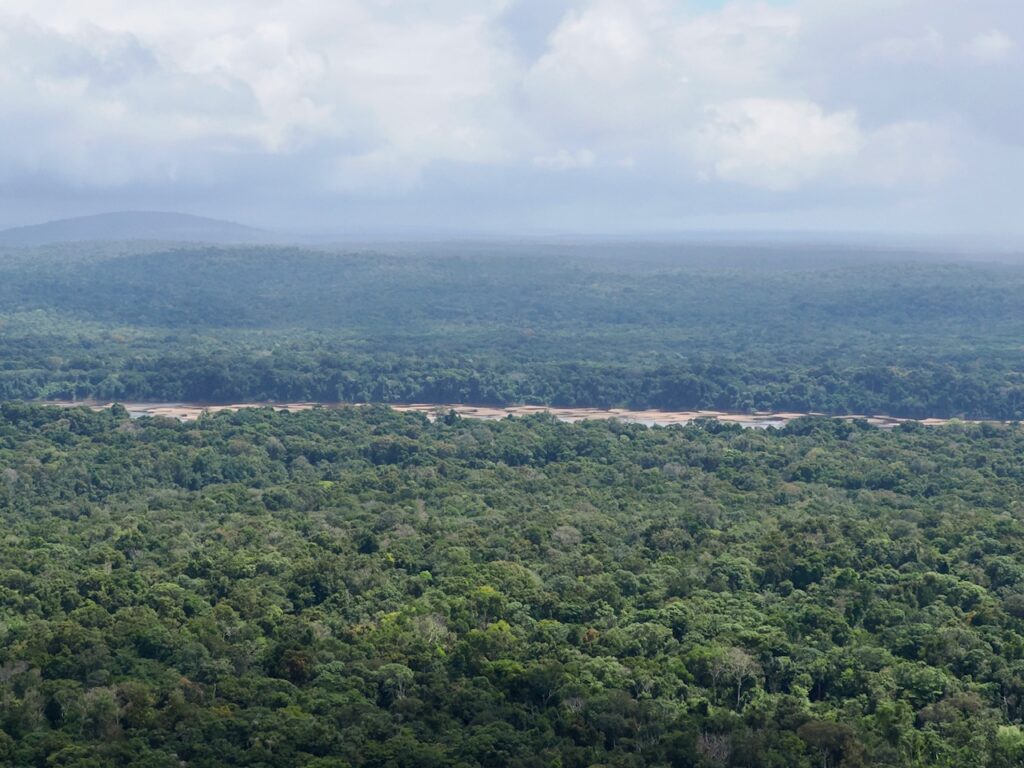
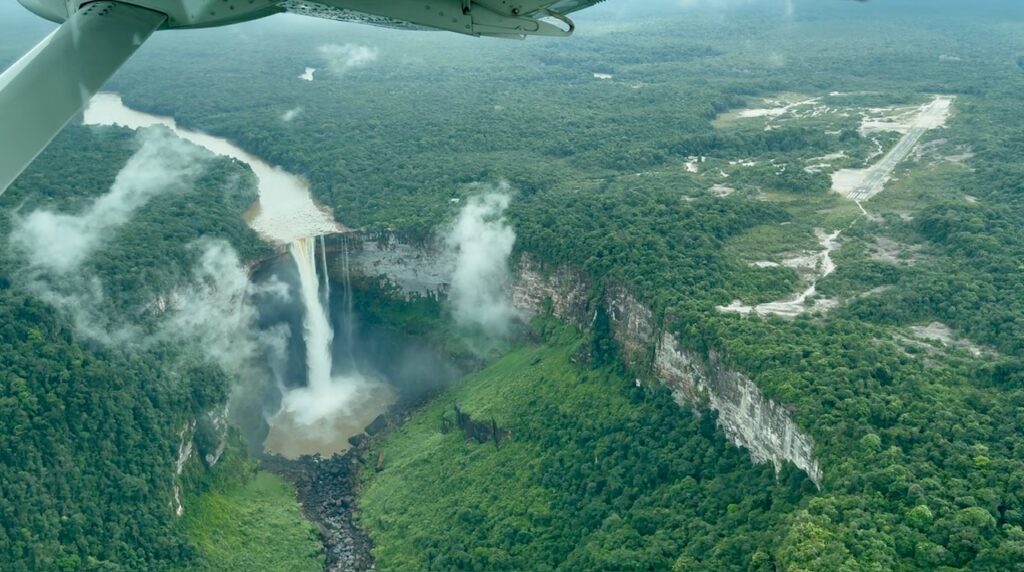
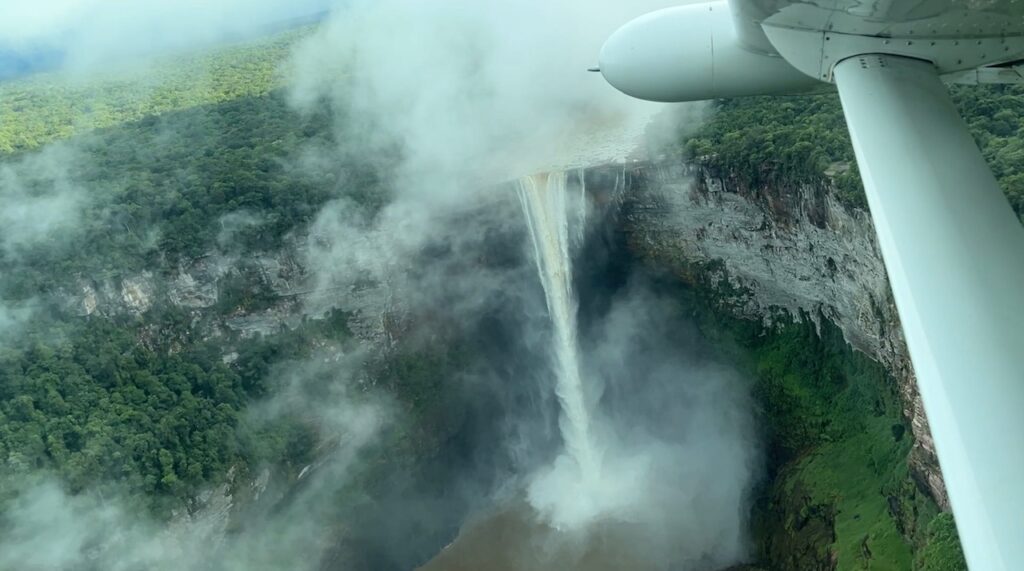
The flight is over 200 km of pristine rainforest, but there is a lot of cloud cover so there is not much to see. The cloud lifts as we approach the falls. Our pilot circles them and we have an excellent view.
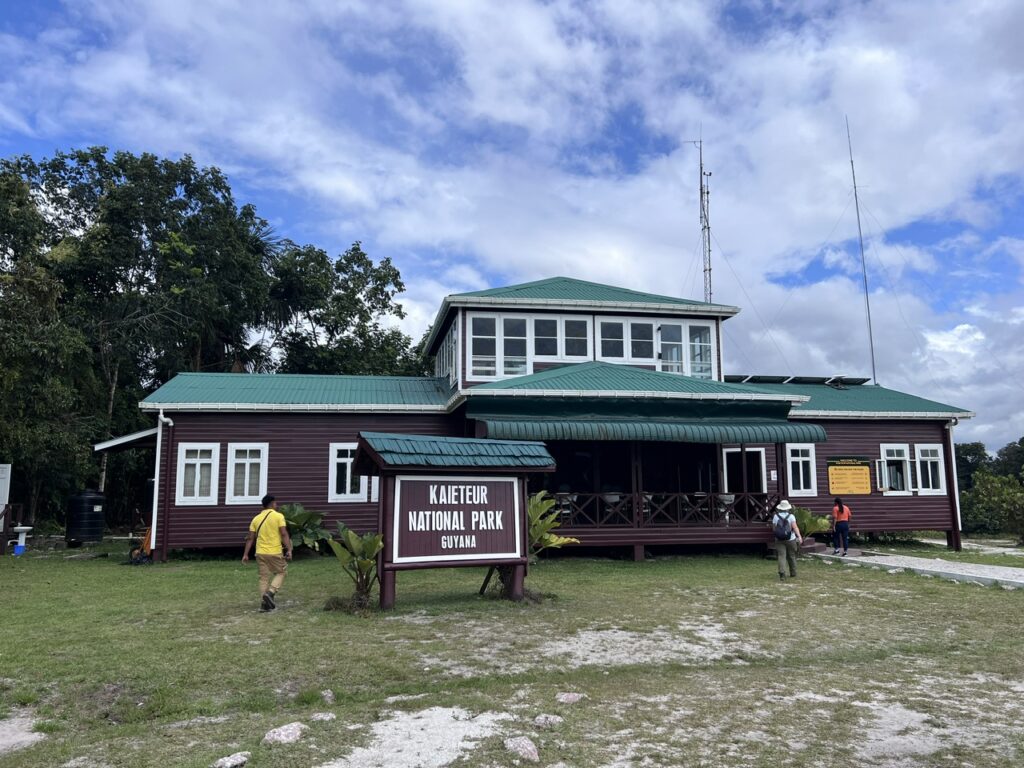
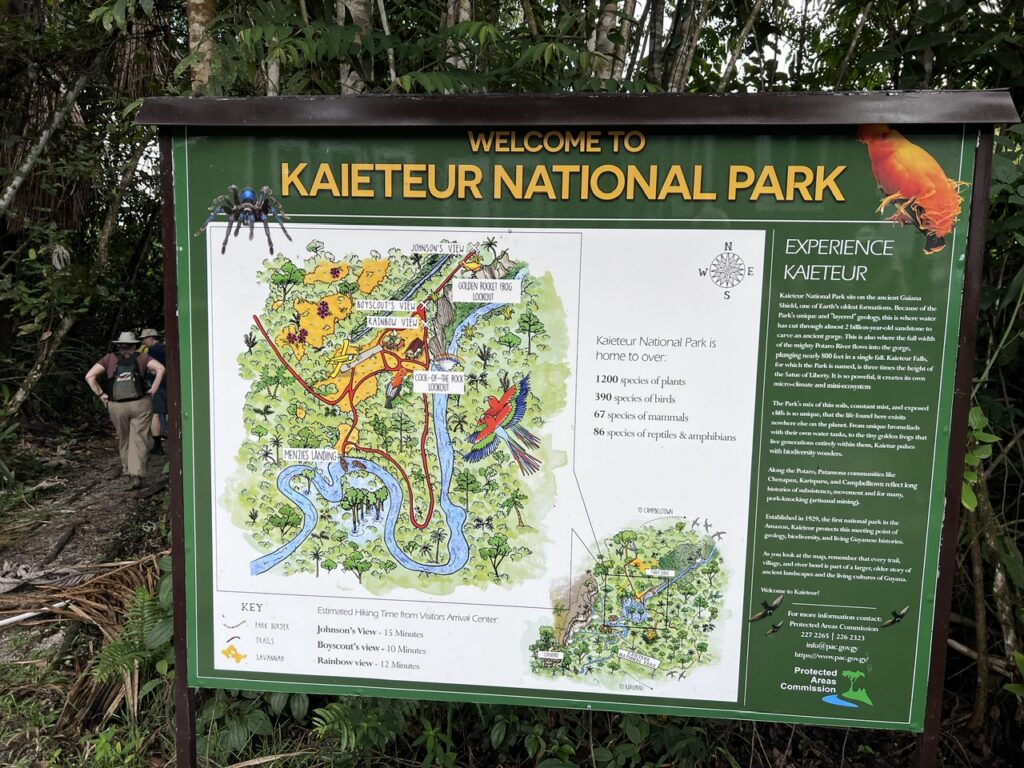
There is a small visitor centre where we meet the guide, who will take us to the falls.
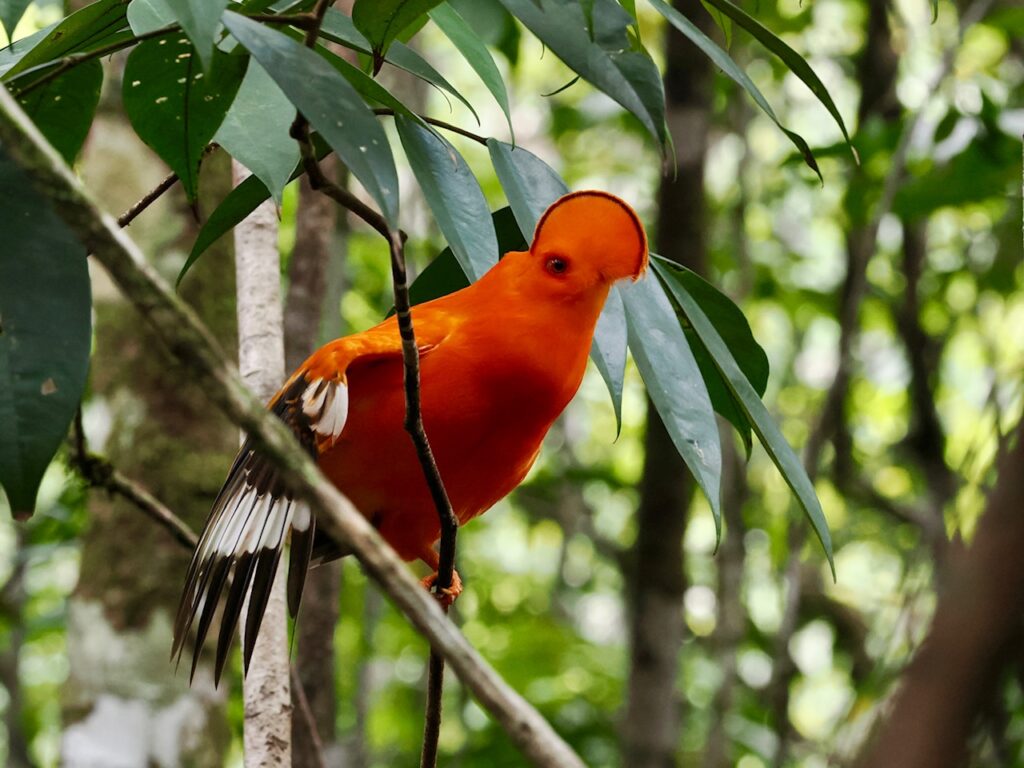
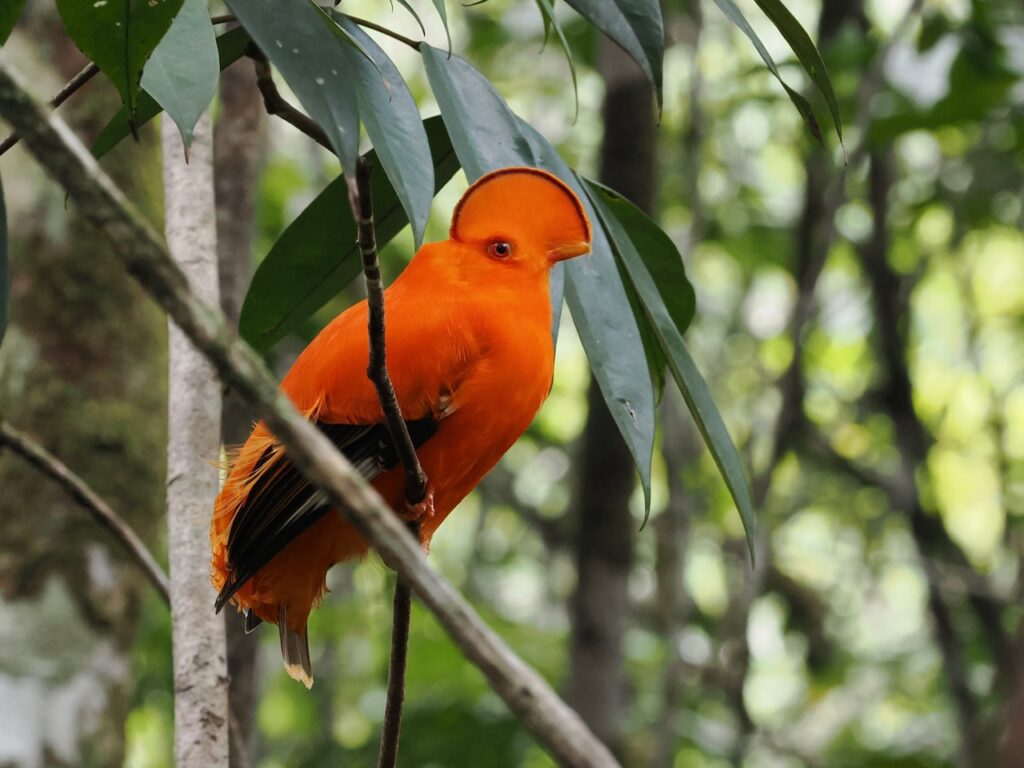
He leads us along a track through the forest. He branches off into the trees, whilst signalling to us to be very quiet. We are very lucky indeed. In the distance I glimpse a flash of orange and then several more. We have found the stunning and colourful cock-of-the-rock. This is a bird that I have always wanted to encounter. I first saw its picture on a ‘Brooke Bond Tea’ collector’s card, when I was a child.
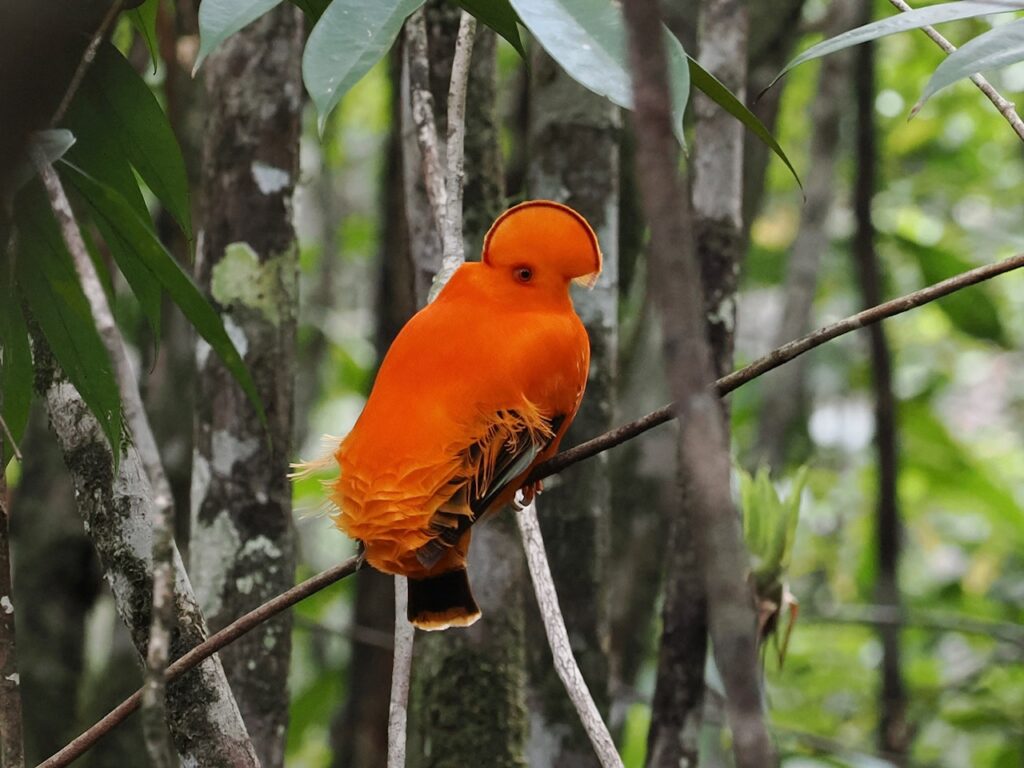
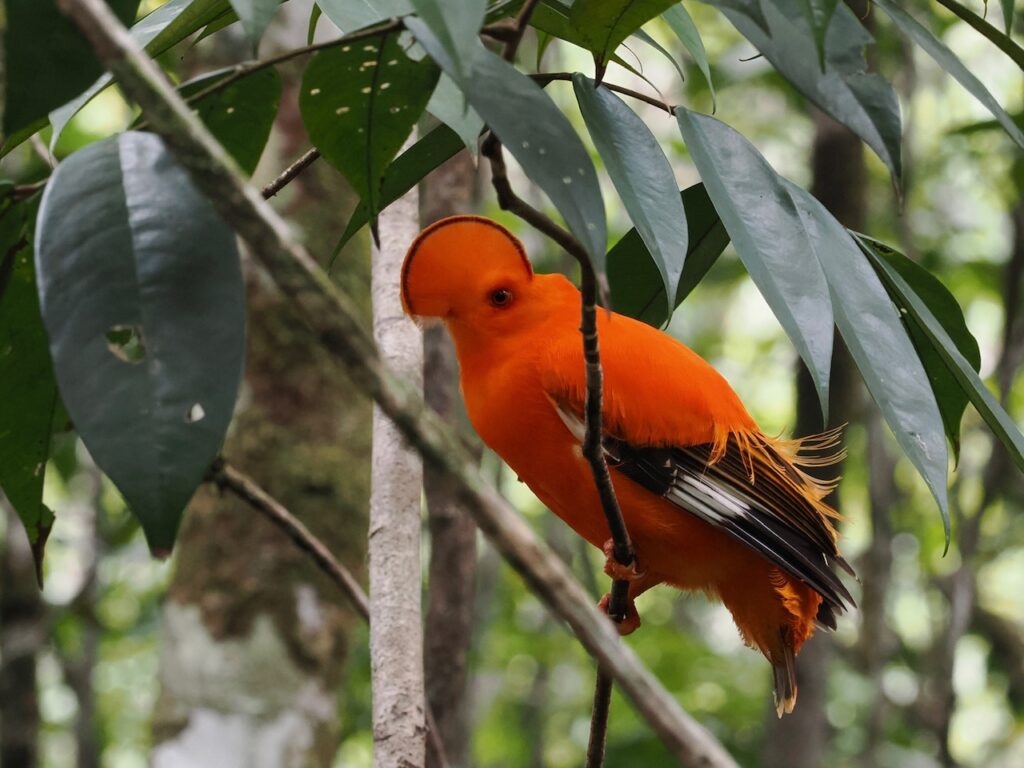
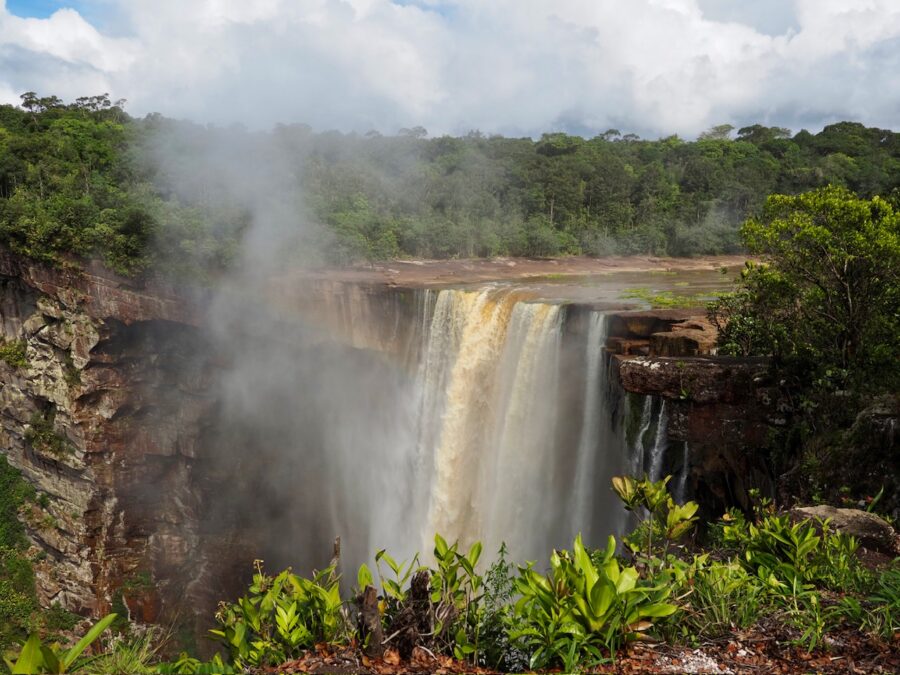
All too soon, we leave the beautiful birds and make our way to the falls. This is the dry season but the falls are no less impressive for that. Also it is just our little group. There are no crowds, no handrails or barriers, no people telling us to stay away from the edge. Just raw nature. Incredible.

Venezuela’s Angel Falls are greater in total height, but their drop occurs by stages. Kaieteur is a single cataract 100 meters wide created as the Potaro River makes a sheer drop of 228 meters, nearly five times the height of Niagara.
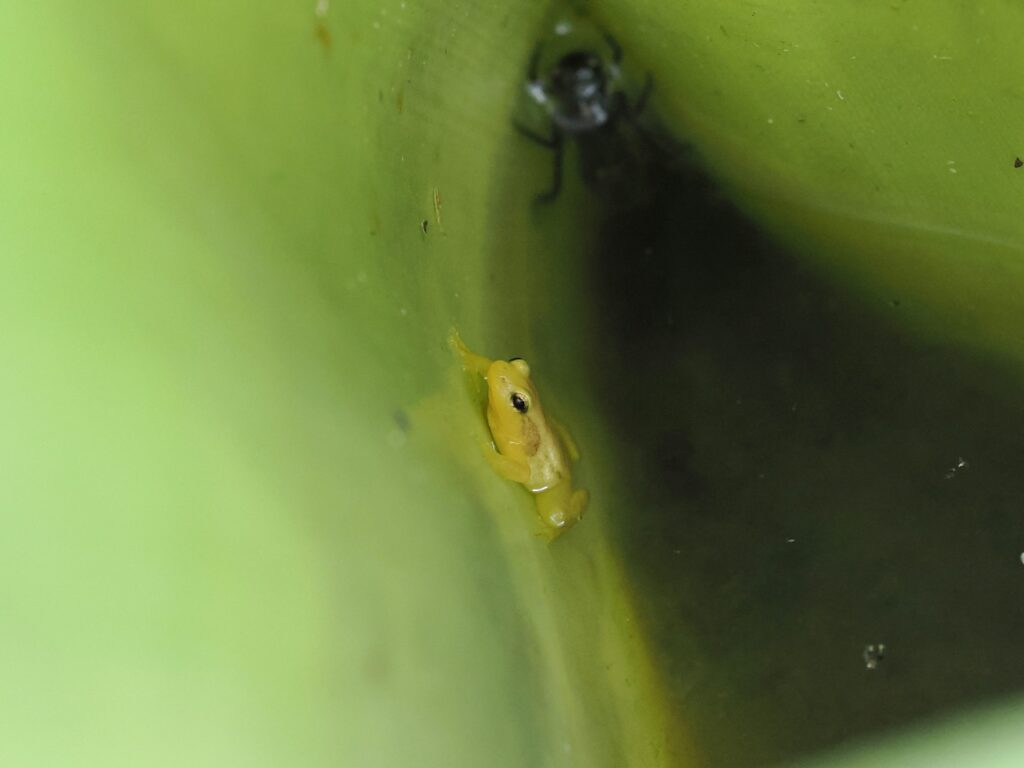
Giant bromeliads grow in the humidity along the cliffs and inside one I find the tiny endangered golden rocket frog, which is under 2 cm long. All too soon, it is time to re-board our plane. Our pilot kindly makes another couple of low circuits above the falls and we capture some good video.
We could not face another meal in the hotel so take a five minute walk to Froggy’s Grill, which was recommended by our driver. I was not sure about the wisdom of walking around Georgetown at night on our own, but we survived it. Service was slow. It was International Women’s Day and Georgetown was incredibly busy. The food was good when it arrived and significantly better than anything on offer at our hotel.
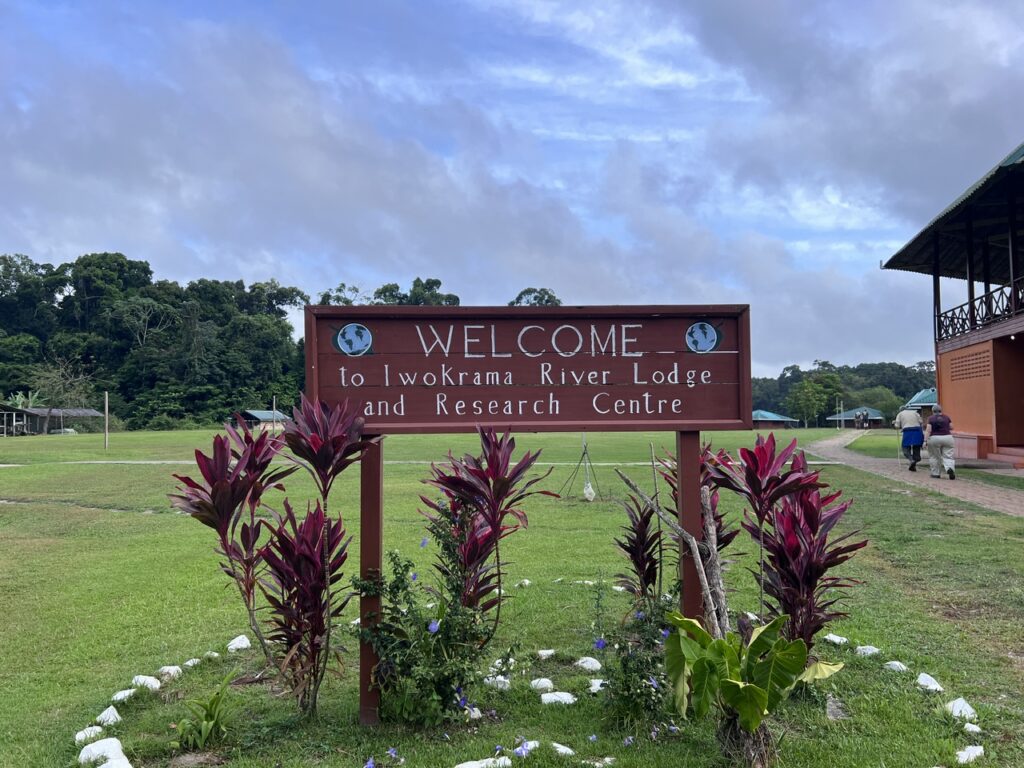
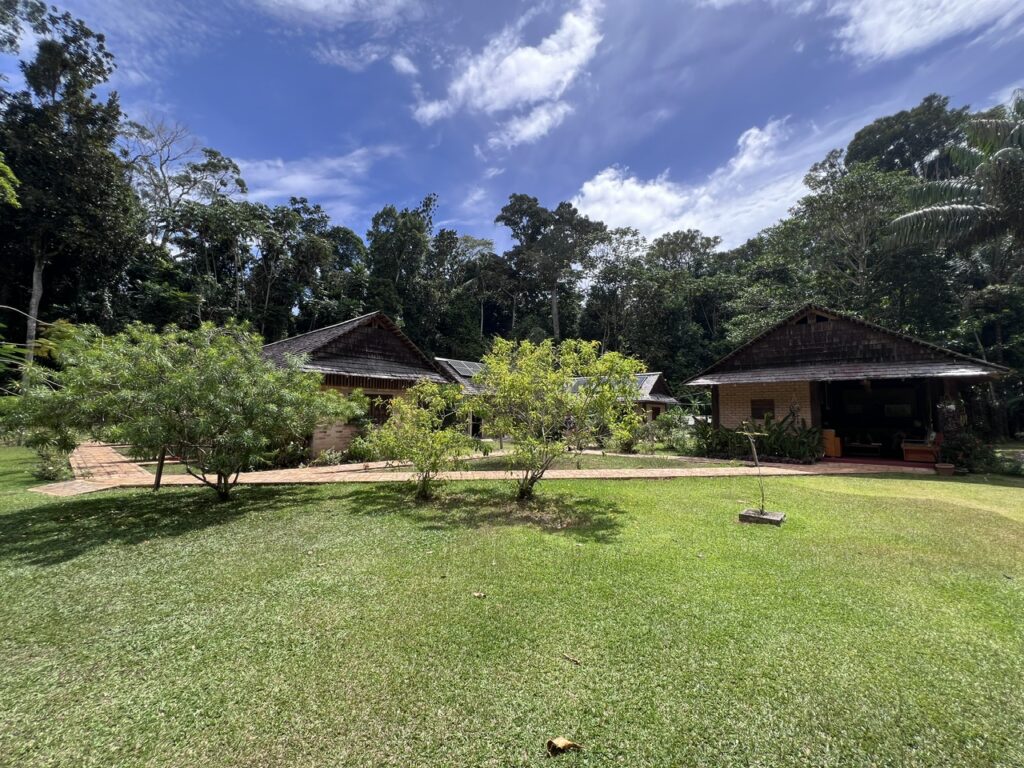
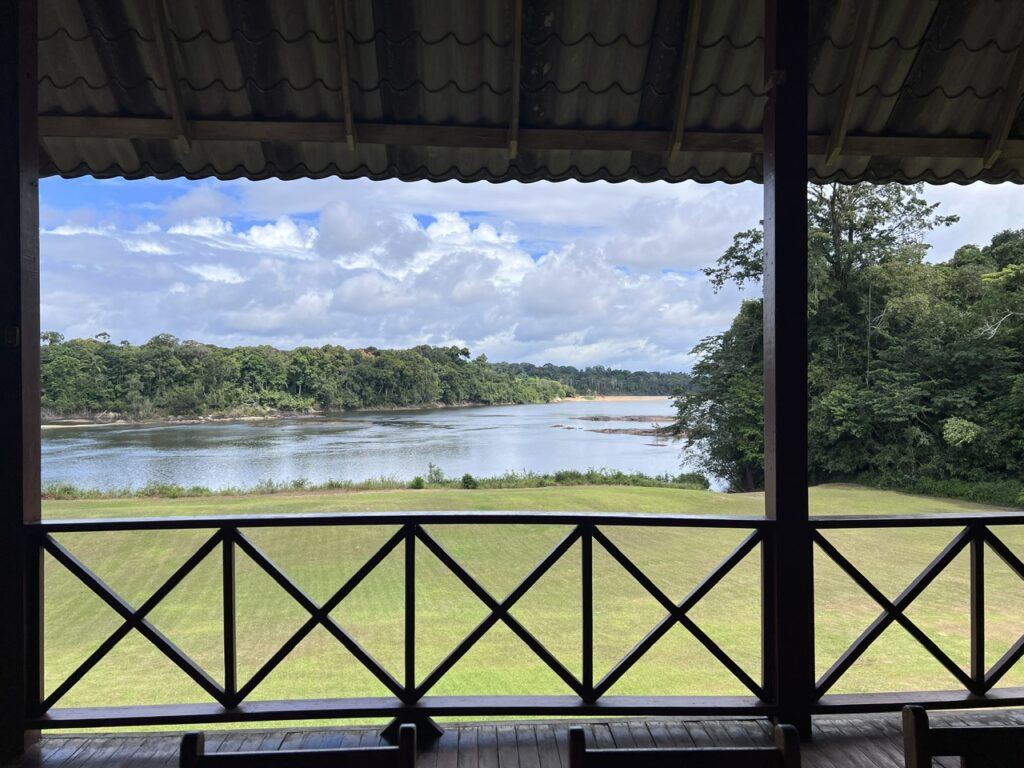
We are up early for the internal charter flight to Iwokrama River Lodge. The flight is supposed to depart at 08.00. Time-keeping and communication is an issue here. Again we wait and we wait. No explanation as to the delay but we finally leave at 12.30. Somebody says it was because it was raining. If that is the case then I am surprised that any flights ever make it. This is rainforest for goodness sake. Guess what. It rains! We arrive at the lodge at 14.30. Our room is a little cabin with a verandah. The view is lovely and lots of birds flit around the grounds. Although we do not know it yet, this turns out to be the best accommodation of the trip. The room is not particularly large but it has that rare thing in Guyana – screening to prevent insects and wildlife invading the room. No hot water though and we never really adapt to that throughout the trip.
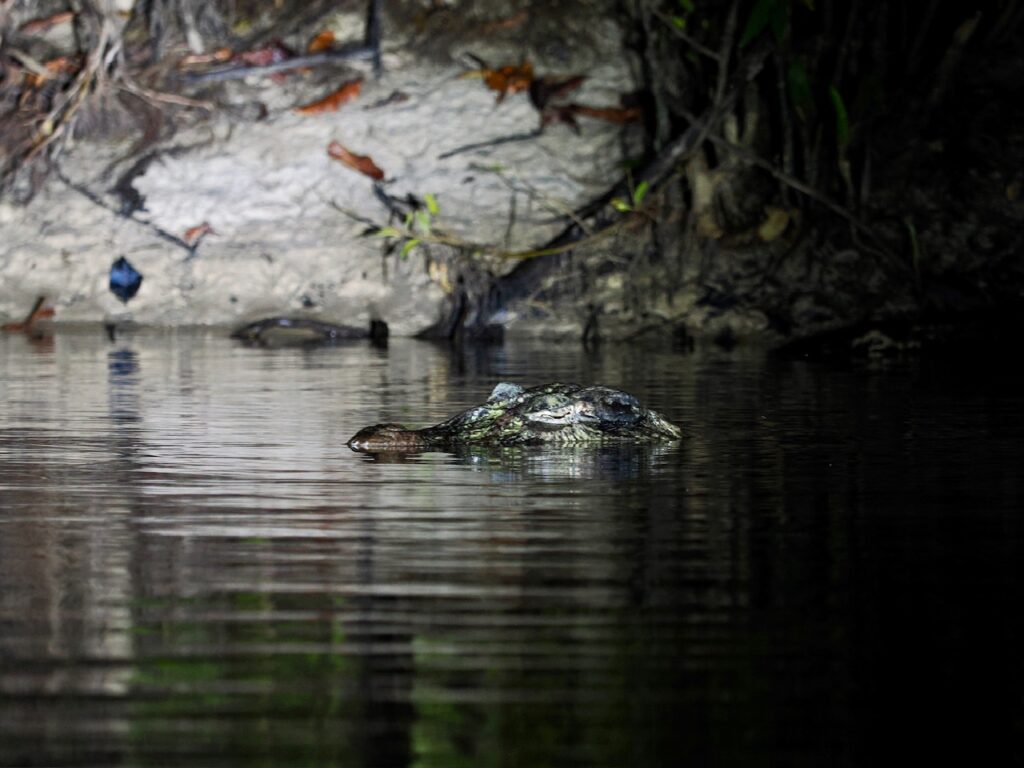
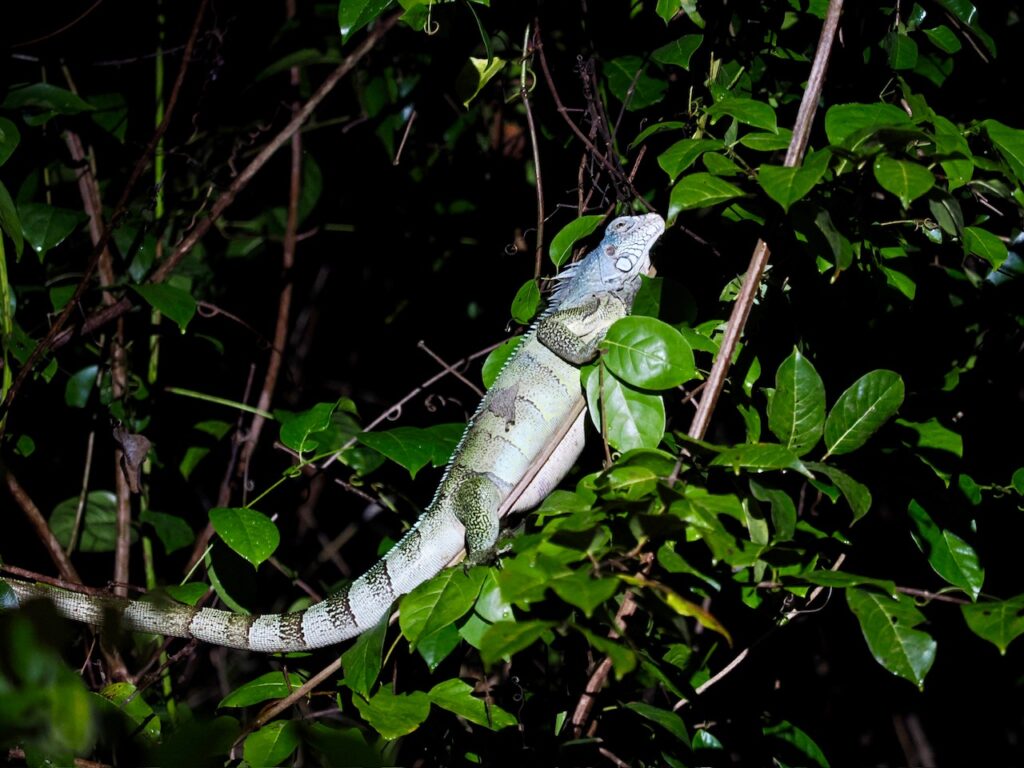
We have a light lunch and then go for a trail walk. Sadly there is not much to see as it is raining and all the animals are hunkering down. We have dinner at 19.00 then go out on a boat on the Essequibo River to see nocturnal creatures. We see lots of caiman and a green iguana, although it does not look that green.
This morning we have opted to hike up Turtle Mountain. This requires an early start with breakfast at 06.00. We then take a 30 minute motorboat trip along the Essequibo River to the start of the trail.
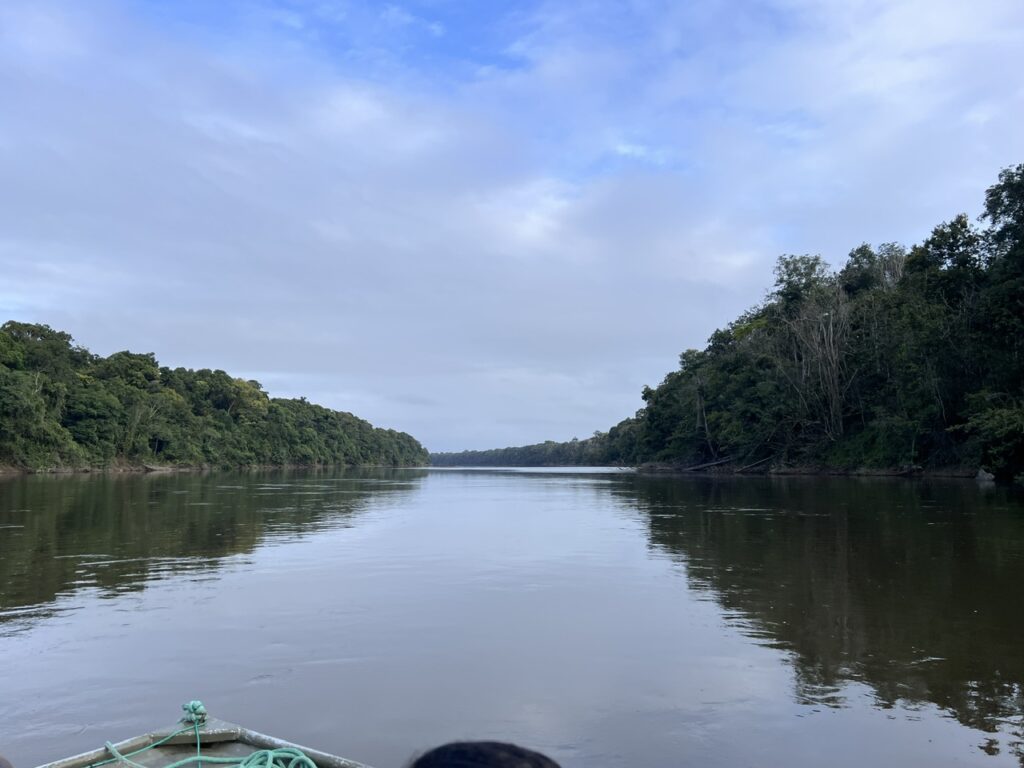
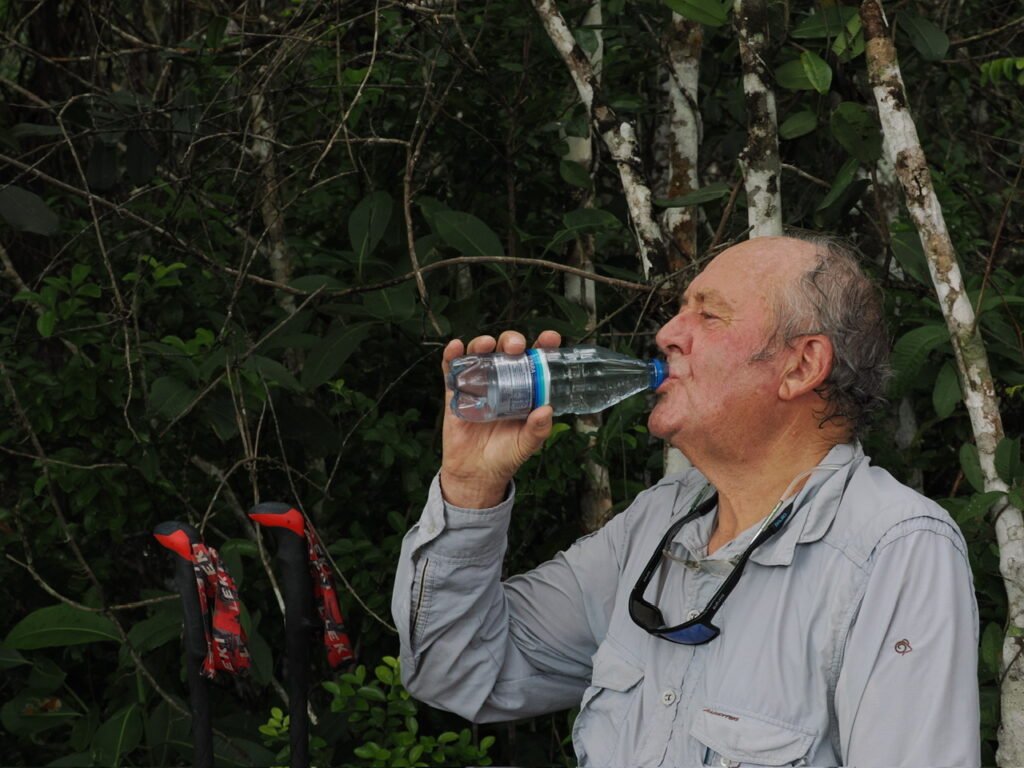
The trail is 2 miles long with an ascent of 300m. This does not sound very challenging, but this is the rainforest. There is no air movement, 100% humidity and a muddy and slippery trail. It is a 2 hour hike to the top and I am very glad that I have brought walking poles with me. It was very hot and by the time we reached the summit we were all soaked in sweat.
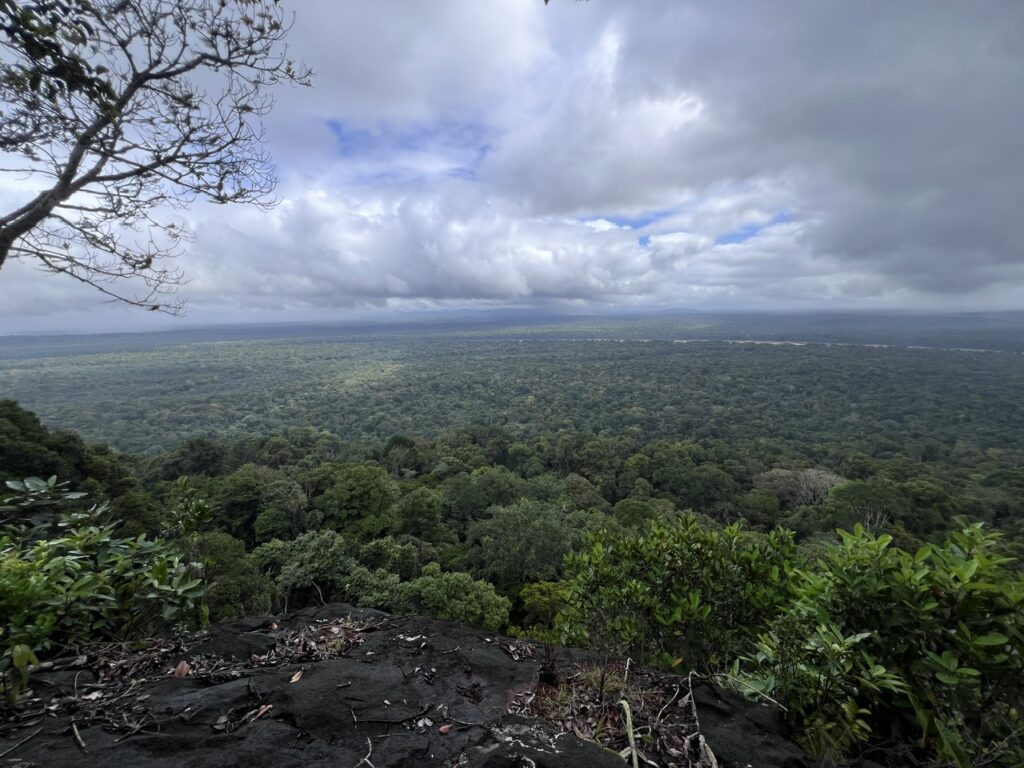
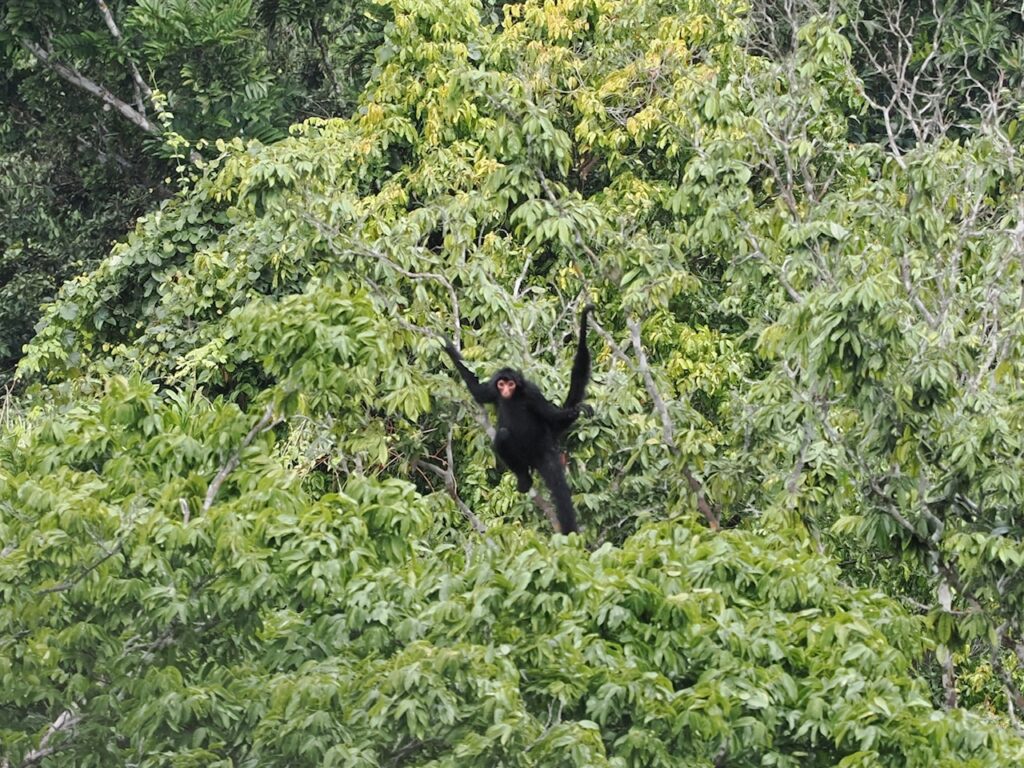
It was worth the effort though. The views were good and we even saw a spider monkey posing nicely in the canopy below us.
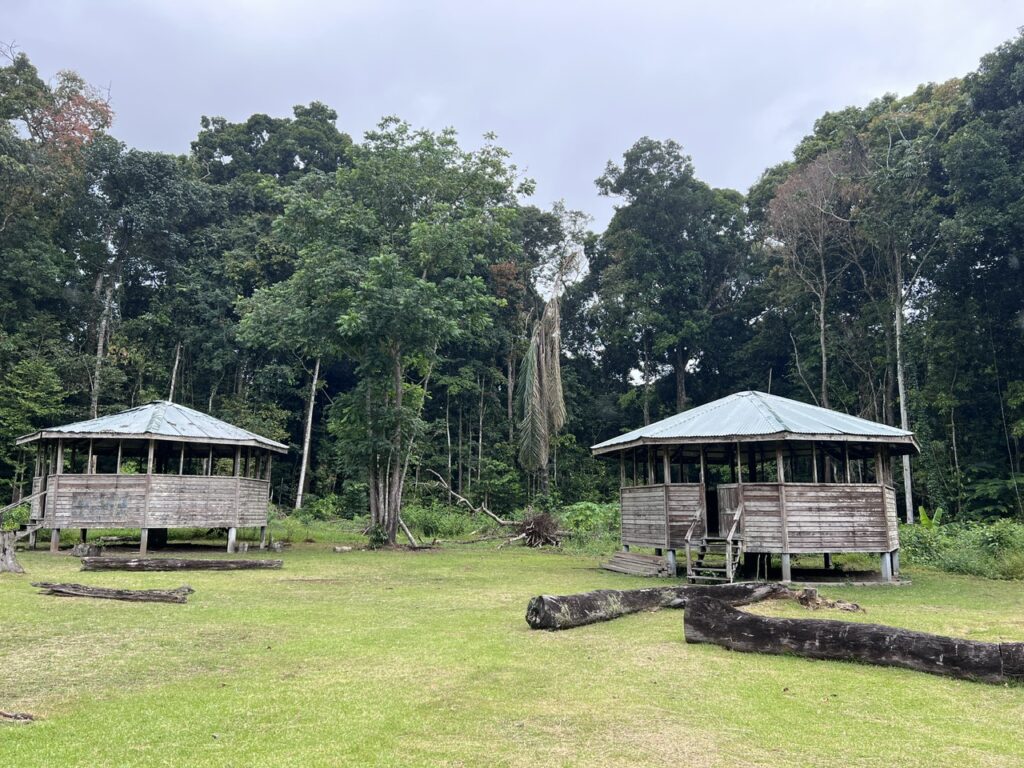
The descent seemed much easier and at the bottom we drained our water bottles and then took shelter from a sudden downpour at the research station.
In the afternoon we took a boat trip to see the rapids and Amerindian petroglyphs at Kurupukari Falls. The carvings on the stones are 6000 years old.

Local people are swimming and washing their clothes in the river.
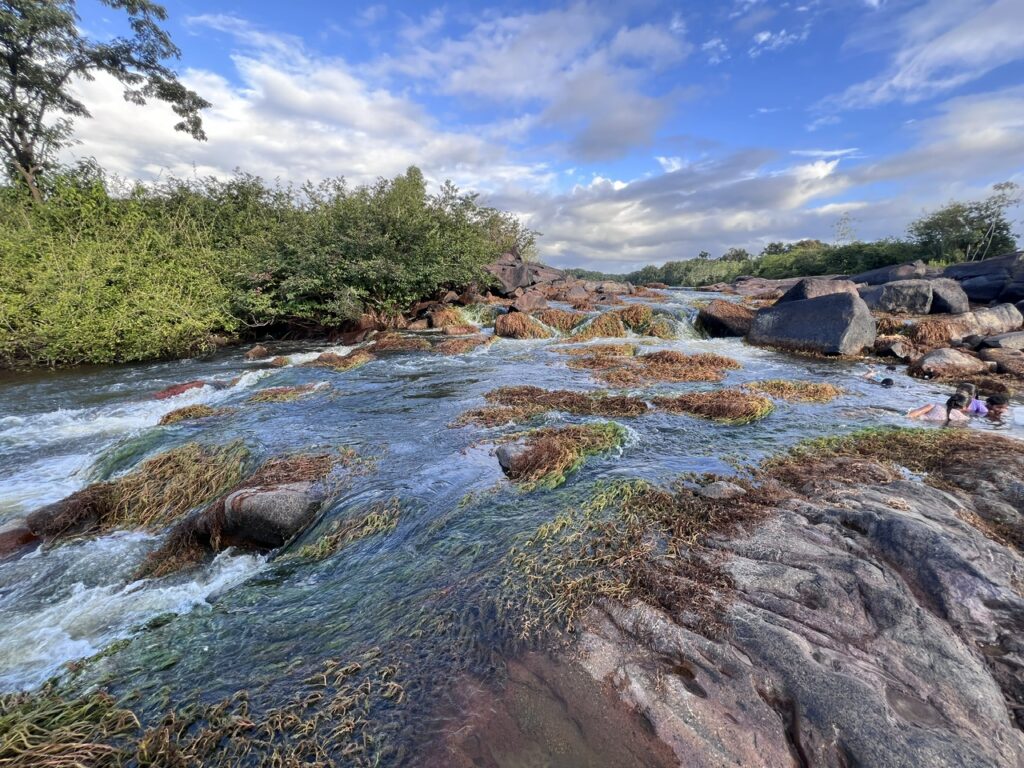
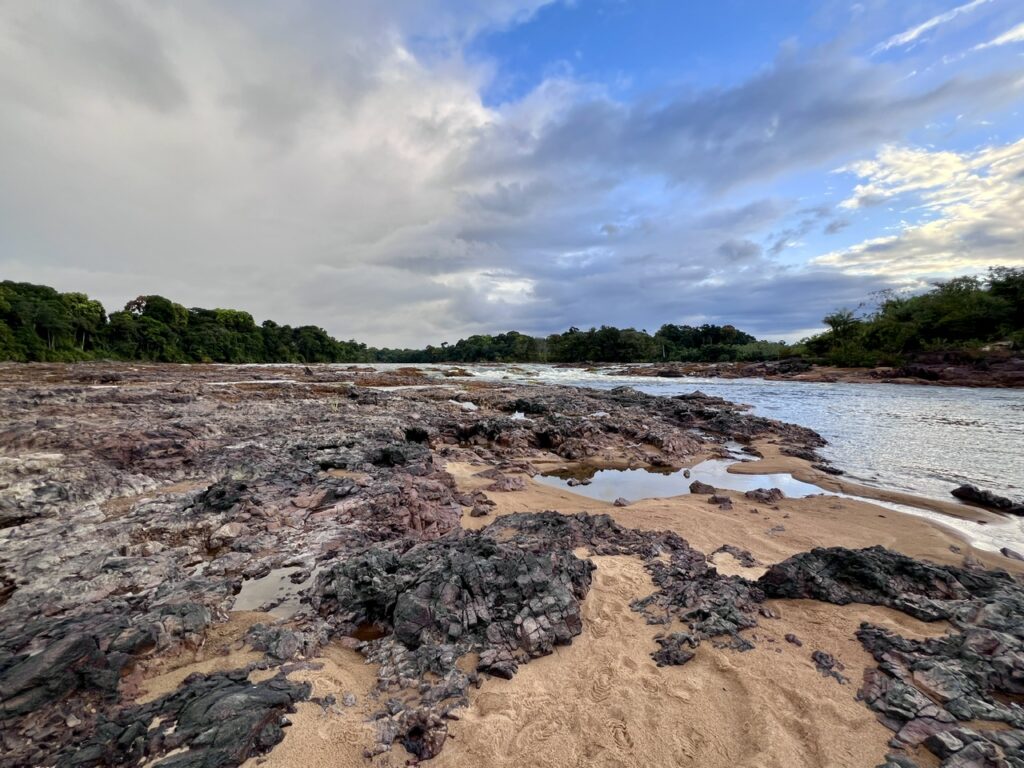
We have time to disembark, wander along the riverside and pick our way across the rocks.
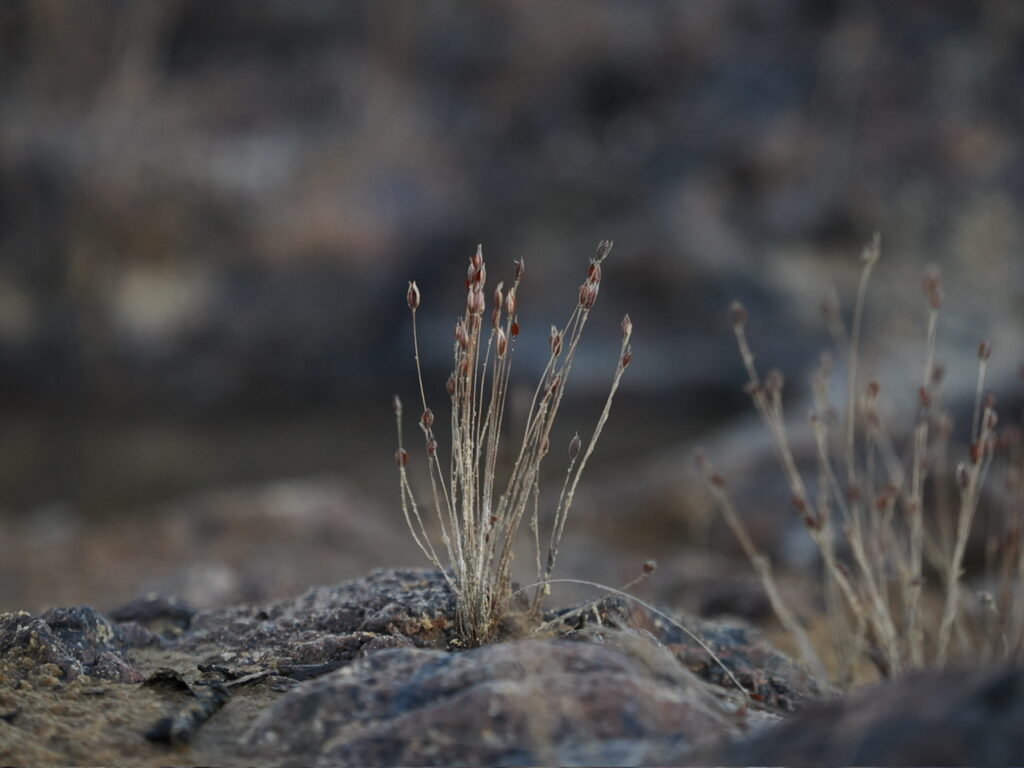
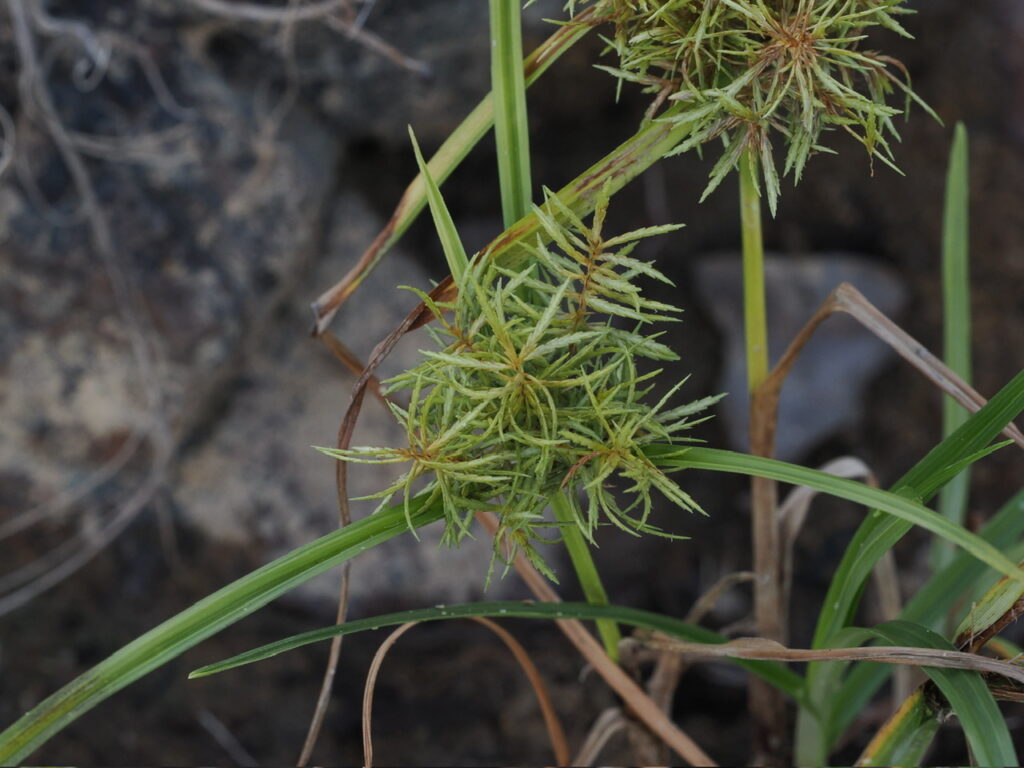
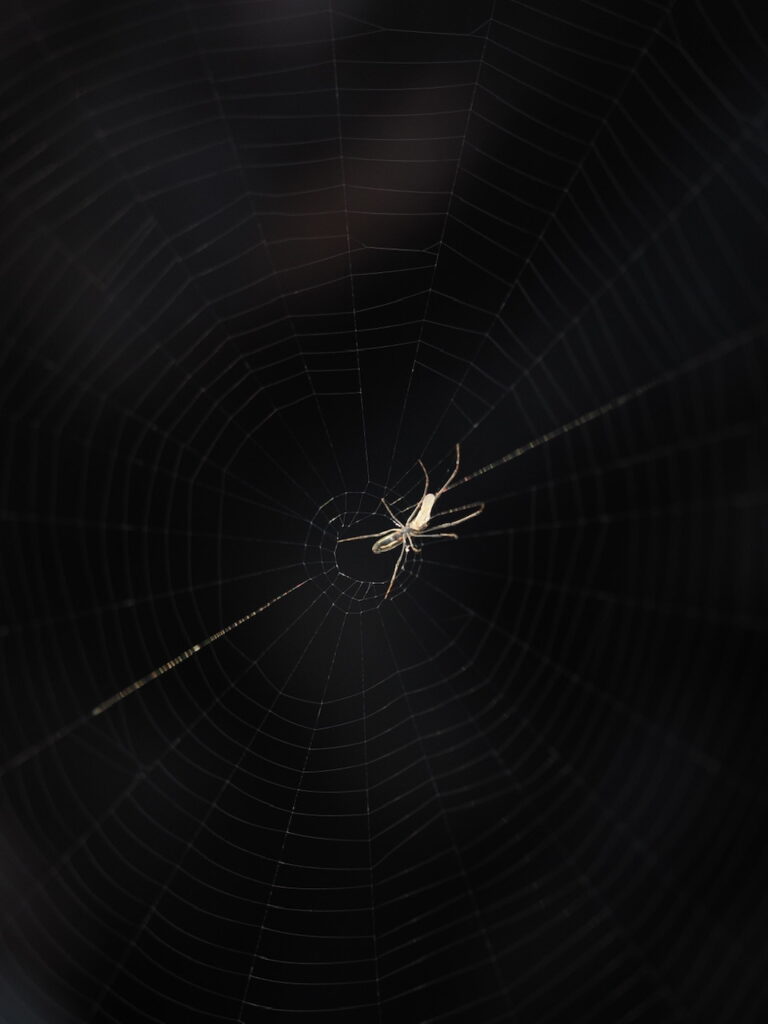
There is lots of birdlife, although I fail dismally to capture any great shots of them. I do better with the little things.
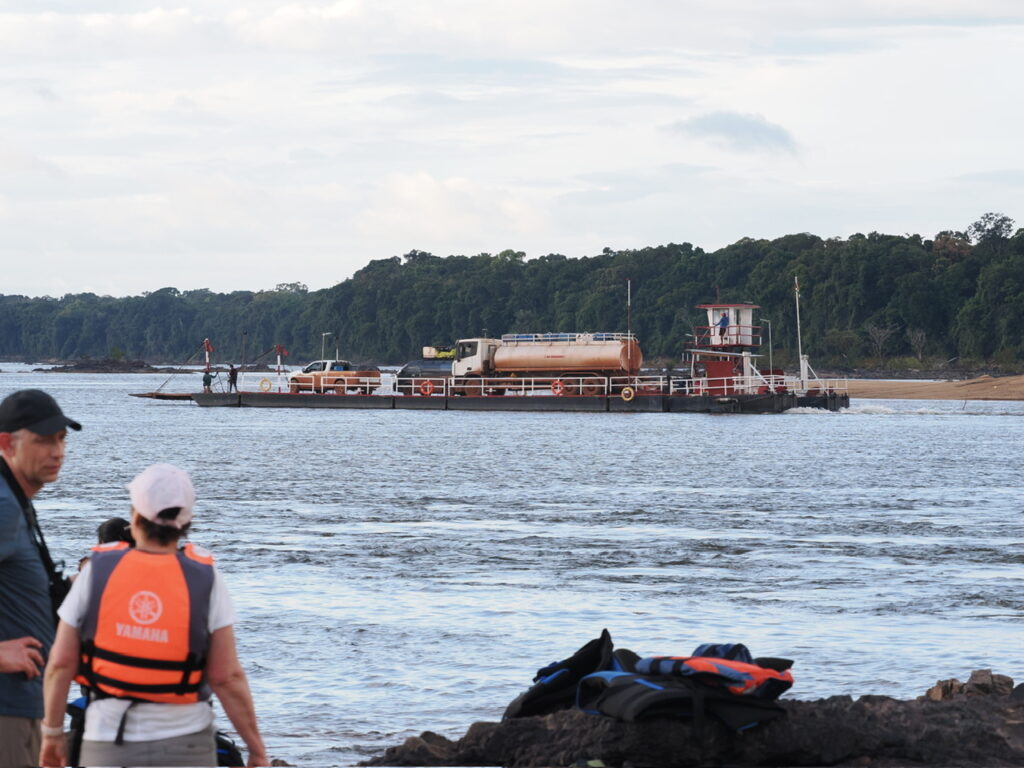
There is just one red dirt road that runs from Georgetown to Lethem on the border with Brazil. The only way to cross the Essequibo River, which blocks its path is by the tiny ferry below. There is now a plan to tarmac the road and build a bridge here, which will totally open up Guyana and change it forever. I am glad we have come now. It will be a very different place in a few years time.
We rise early for a final walk before breakfast. There is lots of birdsong, but in the dense vegetation birds are hard to spot and we have few sightings. A local Amerindian couple are walking along the track and tell us that they have just seen a tapir. We walked to where they saw it. We see its tracks but sadly no sign of this shy and elusive animal. We collect our bags from our room. I do a final check and then think “Where are the passports?” I can’t find them. Then I remember that I put them in the desk drawer. There they are along with leads and camera batteries. A good job I checked and lesson learned. If there is no safe, keep them in your backpack.
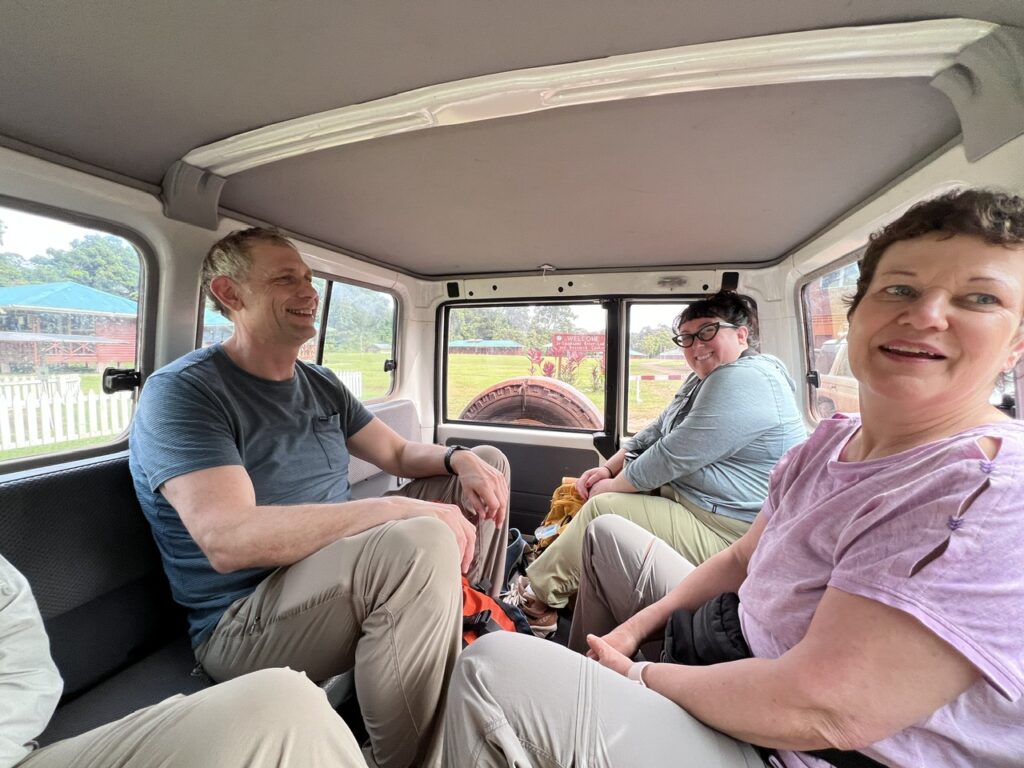
Transport to our next lodge is an hour’s drive along that bumpy red dust road that I mentioned yesterday. Transport is in a converted Land Rover with benches replacing the backseats. We share the ride with Rachel, Gabi & Christoph. It really is not that comfortable and it is very easy to hit your head when clambering in, which is exactly what Christoph did.

An hour’s drive takes us to the far side of the Iwokrama Forest and our next home for 2 nights – Atta Rainforest Lodge. This is a little oasis in the middle of the rainforest.
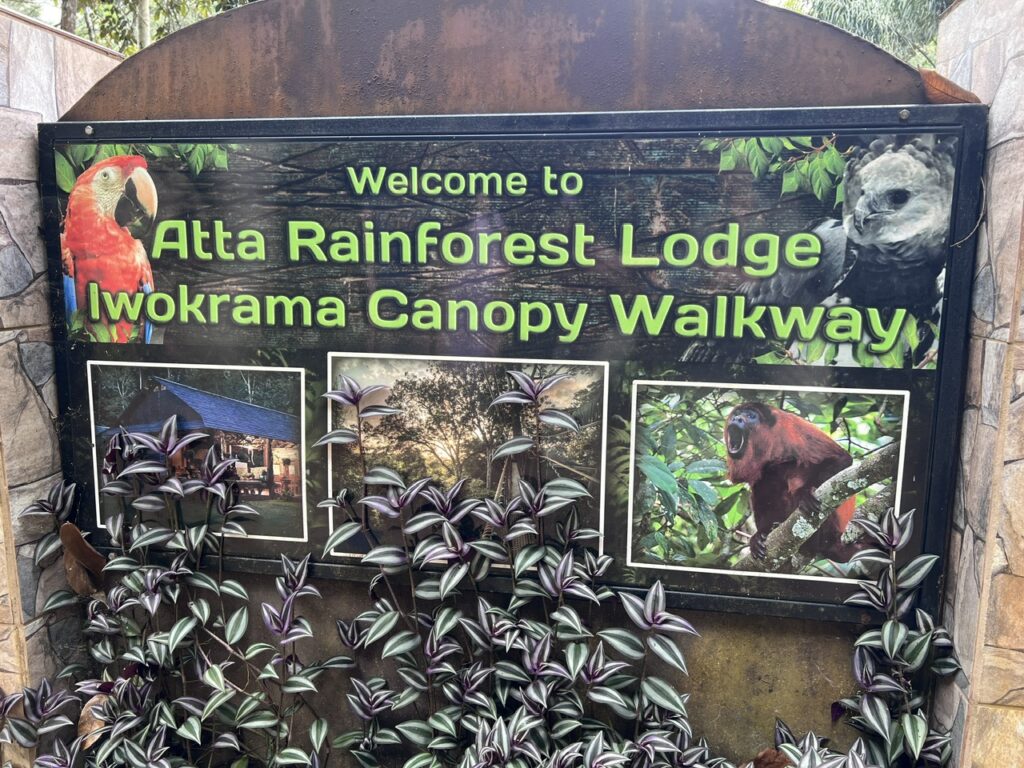
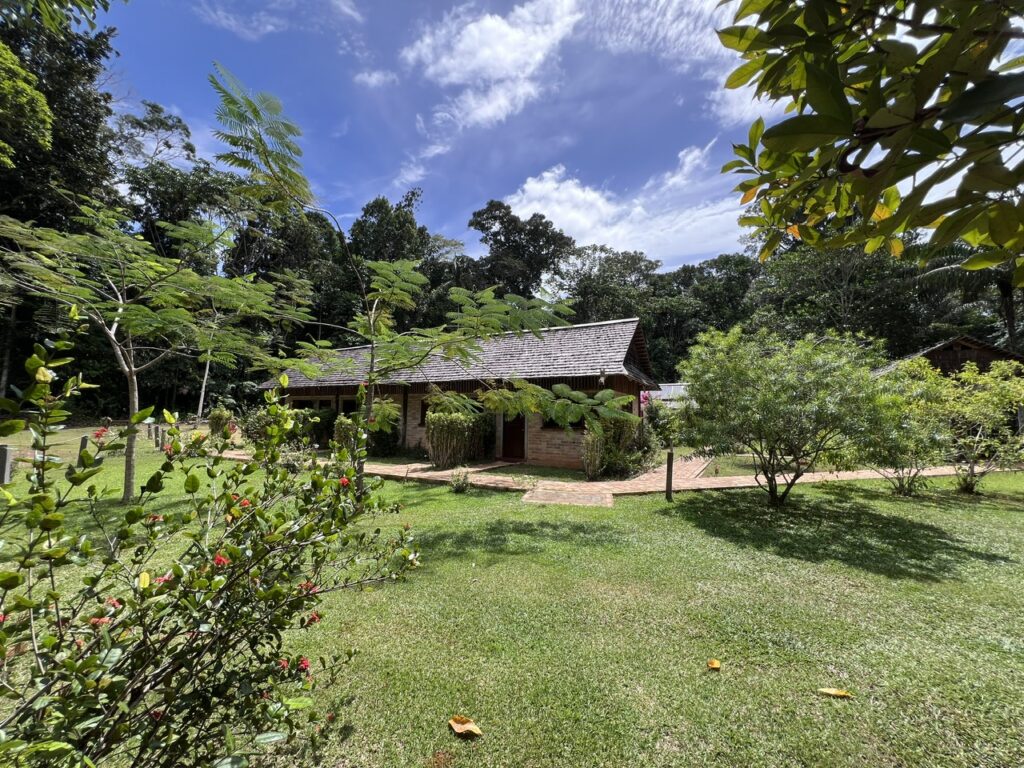
The grounds are well manicured and have been planted with shrubs and flowers, which attract an abundance of dragonflies, butterflies and hummingbirds.

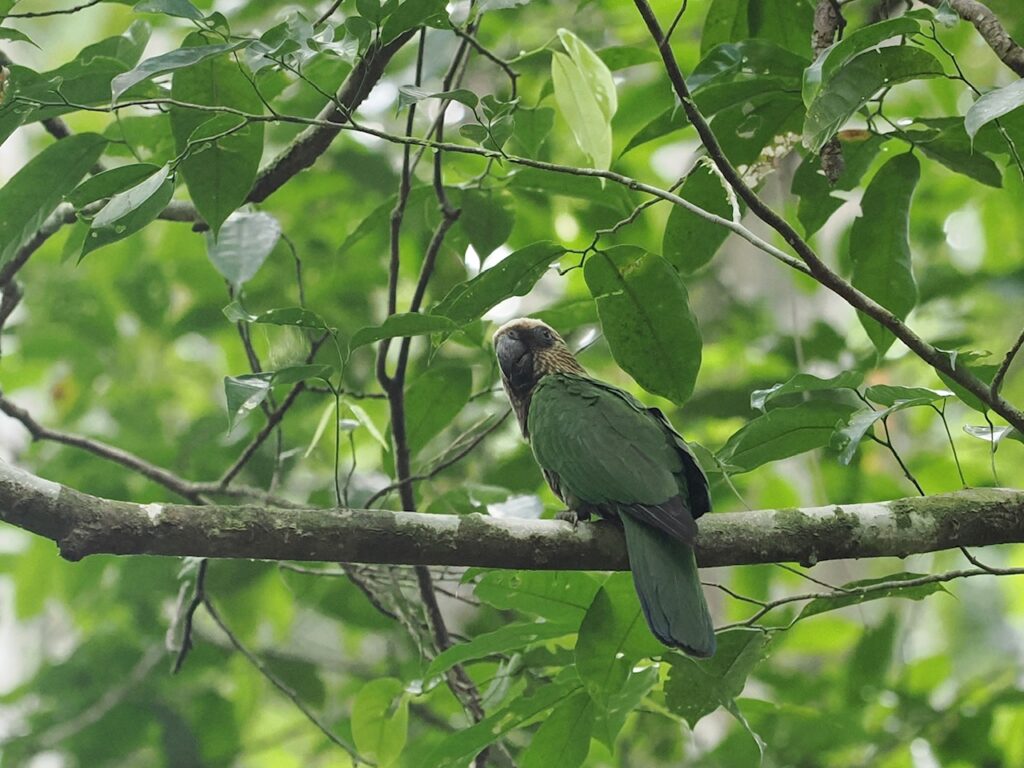
There is a short trail walk before lunch and we see this pretty red-fan parrot.
After lunch we visit the canopy walkway, which is a 500 metre walk from the lodge. This sounds easy, but it is draining as the walk involves more than 200 steps, which are roughly hewn out of the forest floor. It is hot and exceedingly humid. The actual canopy walkway looks very old and not that secure. The fact that one of the walkways is now out of action says a lot. Anyway, having come so far, I am determined to give it a go. The metal grids that you walk on are only loosely connected to each other so the whole thing feels very unstable. Fortunately I do not suffer from vertigo, and despite feeling that the whole thing is pretty unsafe, I am happy to look around me and admire the view as I traverse the bridge. The tree platform is not much better. It is secured with rusty bolts and cables. Disconcertingly, it also moves rather a lot too! Paul was less happy and immediately turned round and headed for terra firma as did several others.

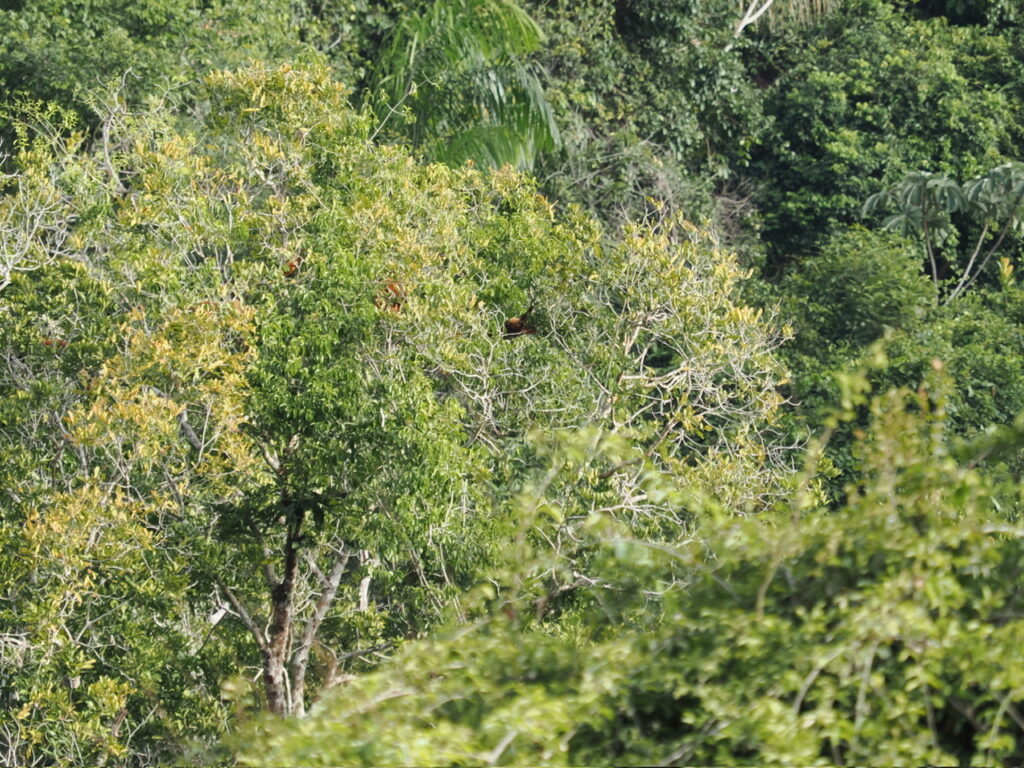
I reach for my binoculars and survey the forest canopy. Not much to see initially. Not even any birds. A very different experience from Ecuador where the forest seemingly teemed with wildlife. Still perseverence pays off and in the far distance, probably a mile away I spot some howler monkeys. Even with the zoom lens they are tiny dots.
The sun is setting and we need to return while we can still see where we are going. We hear clicking noises and rustling in the undergrowth. A herd of peccaries appear ahead. Our guide tells us to stand our ground. He says they can be aggressive, but only if they raise the bristles on their necks and click their teeth. Um…. Guess what? That is exactly what they are doing. The two big males at the front edge forward and look pretty intimidating. There is nowhere for us to go. I decide the best form of defence is to make sure that I am standing behind someone else!
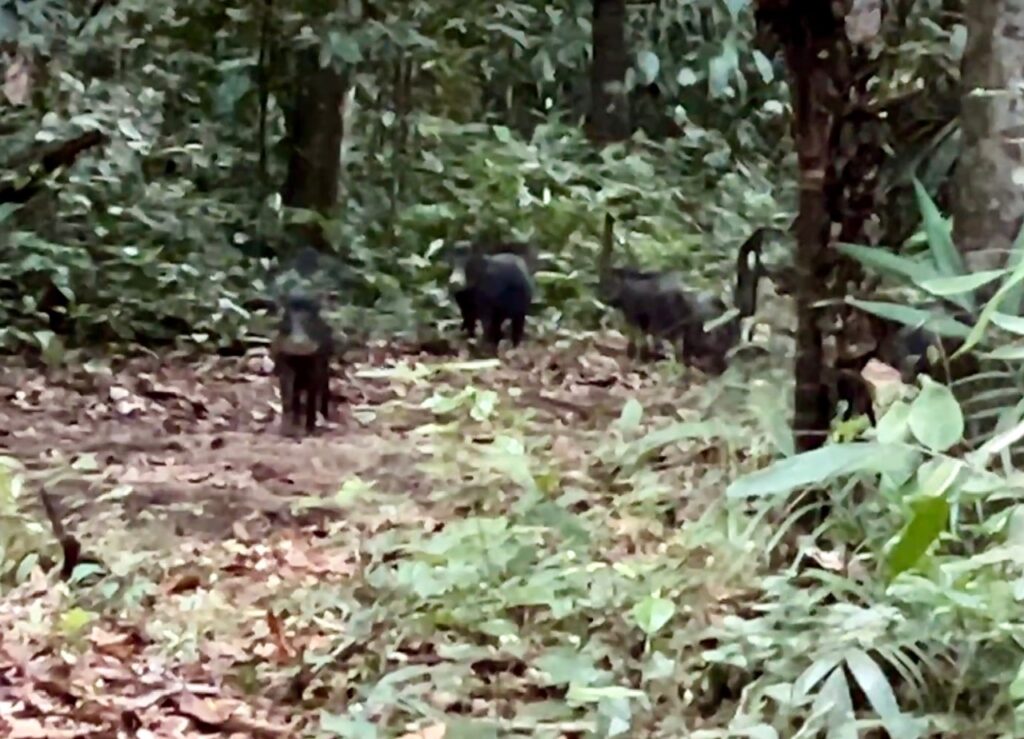
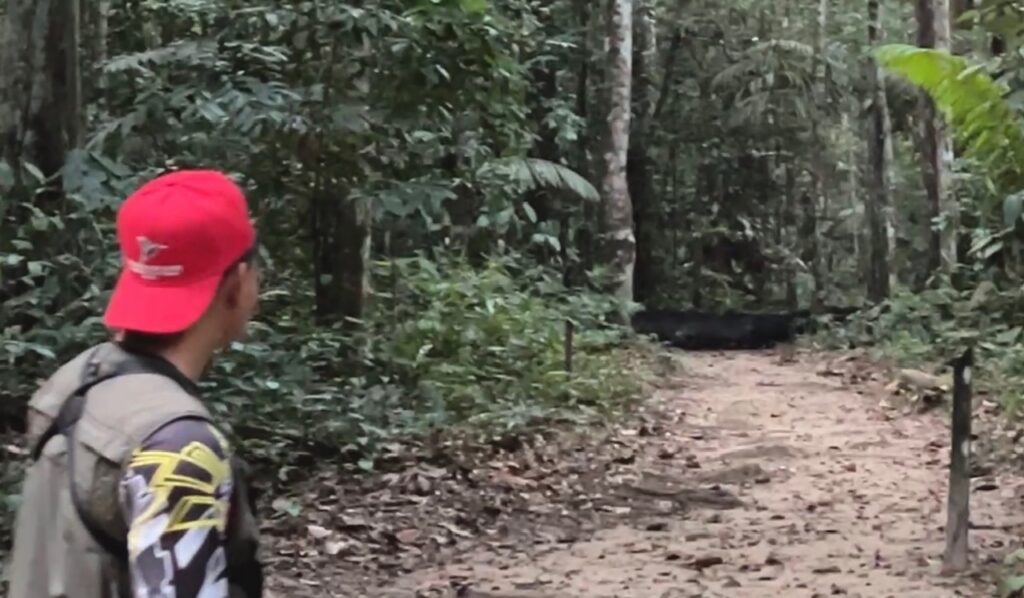
I’ve taken a couple of screenshots from the video that I took with my phone. Sorry it is very grainy. First picture is the aggressive males, second one is when they decided to scarper and literally several hundred peccaries stampeded across the trail in front of us. That was quite something!

I really like the lodge. It has a very welcoming feel and the staff take a pride in it. G&T is impossible to obtain here. We introduce the group to rum and ginger ale. It’s a winner.

In the morning we walk down to the main road to birdwatch. It is nigh on impossible to see the birds in the jungle but in the open space beside the road it is easier. It may seem a strange place for nature viewing but despite this being the main road through Guyana, it is not the M1. There may be a vehicle every half hour or so, accompanied by a dense cloud of dust. I am annoyed that I did not bring my long lens on this trip as my medium lens with converter just does not have the reach for distant birds. We saw lots – but no photos worth keeping.
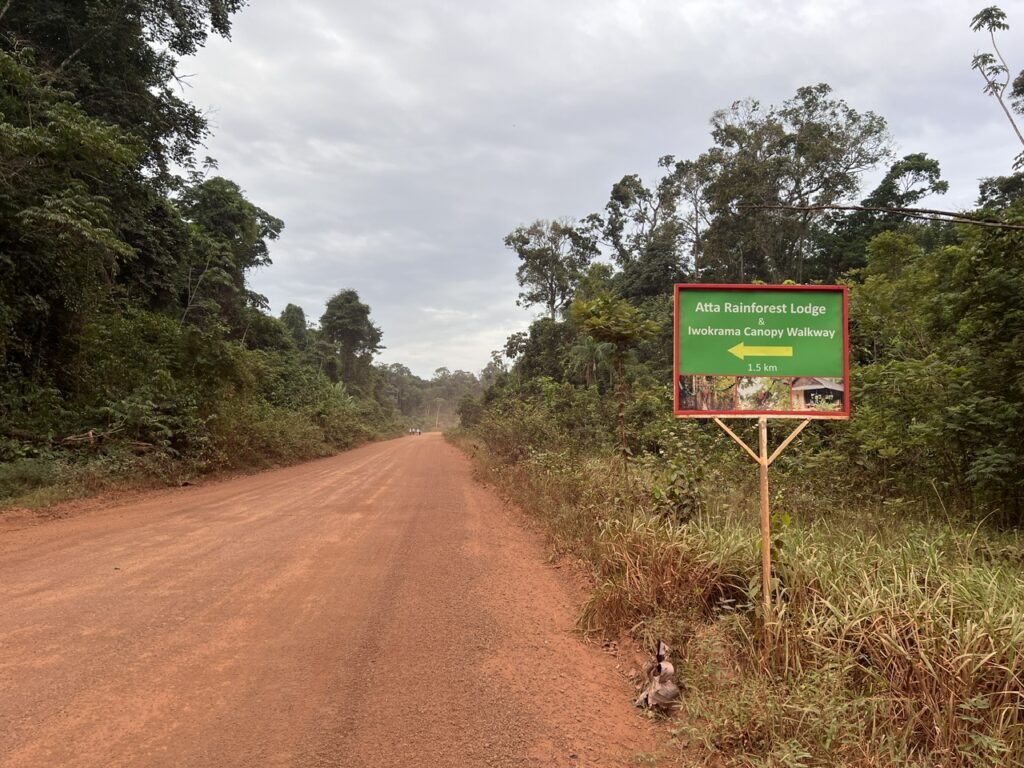
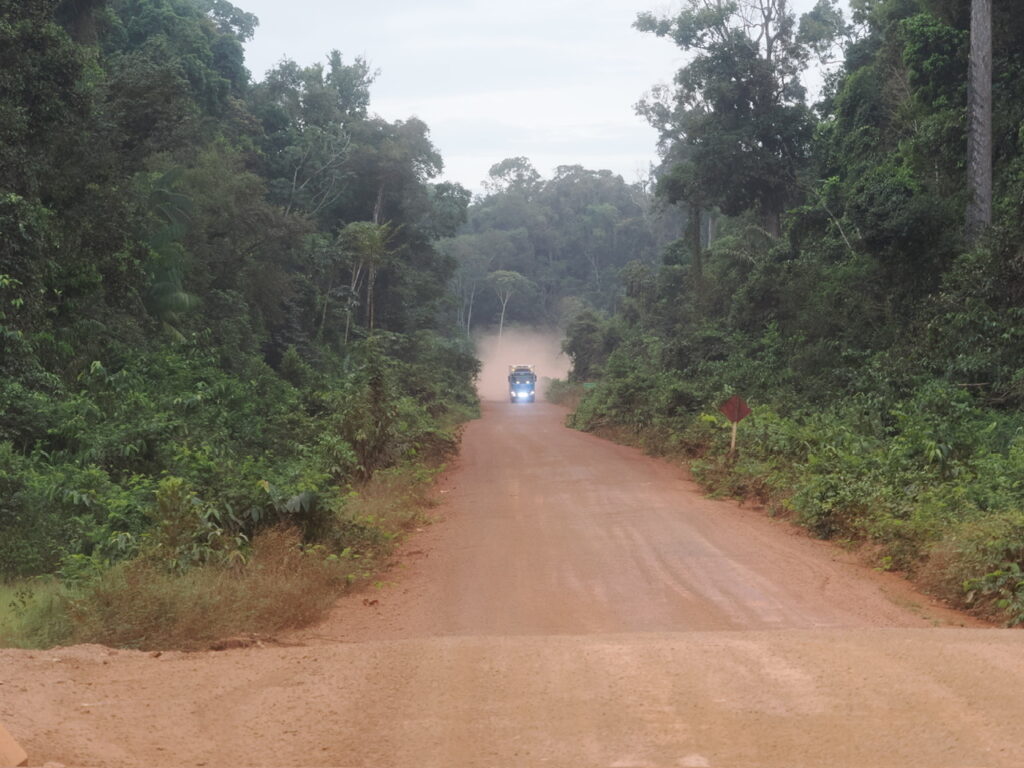
Back at the lodge it is easier and I take pleasure in watching the numerous lizards, birds and insects that frequent the grounds.

After breakfast we have a trail walk and are lucky enough see some spider monkeys. They are such strange looking creatures.
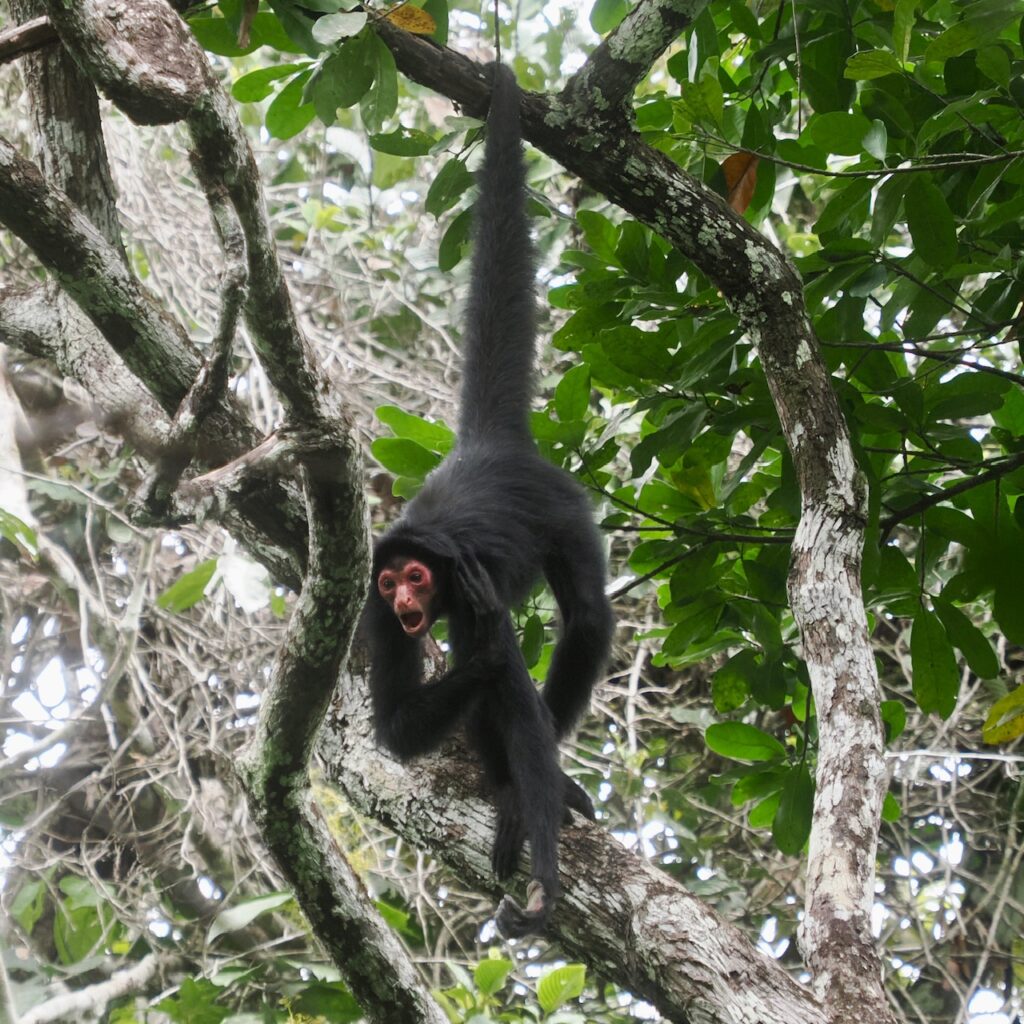
Torrential rain in the afternoon prevents any further activities. It continues to morning so we have ample time to pack. During the night there was a lot of squeaking and scratching in the rafters. In the morning there were loads, and I mean loads, of rodent/bat droppings on the table in our room and pretty much over anything that had been placed on the table. Yuck. I was very grateful that we had a mosquito net to prevent us becoming covered too.
Rubondo Island

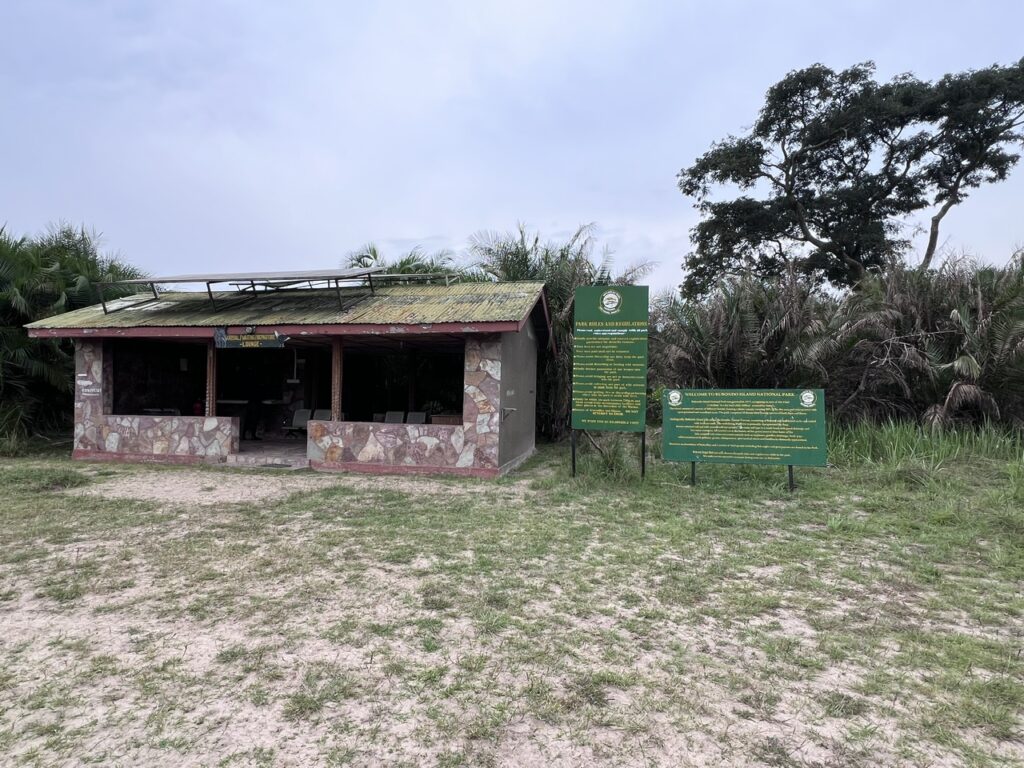
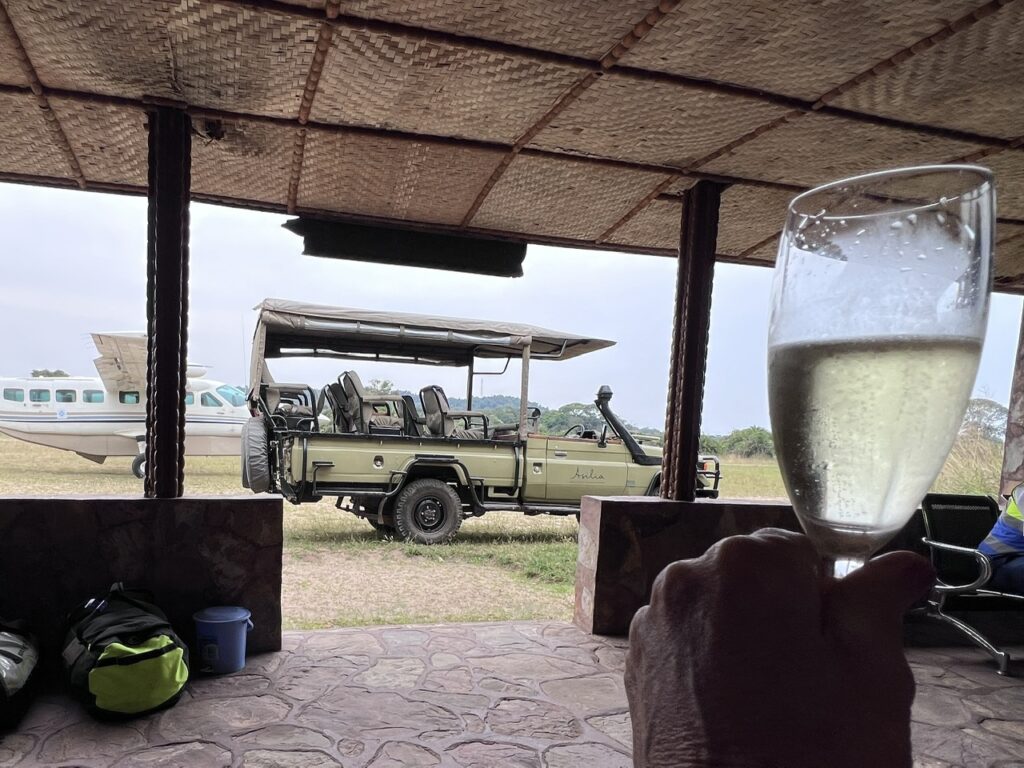
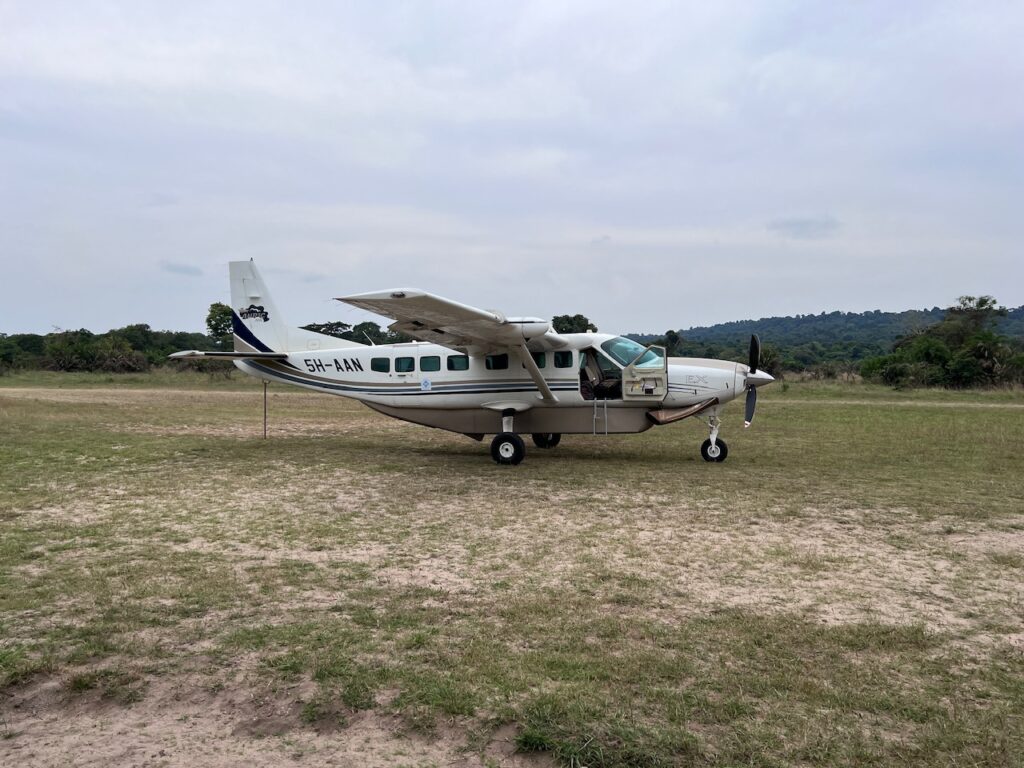
We land at the tiny landing strip on the lush island of Rubondo. The island is uninhabited by humans today, with the original Zinza tribe being resettled to the mainland in the 1960s. 80-90% of the island remains untouched forest. We are shown to a little waiting area and before long a vehicle arrives to transport us to our accommodation, but before we do so a cold box is unloaded and we are served champagne and refreshments. What a lovely welcome!

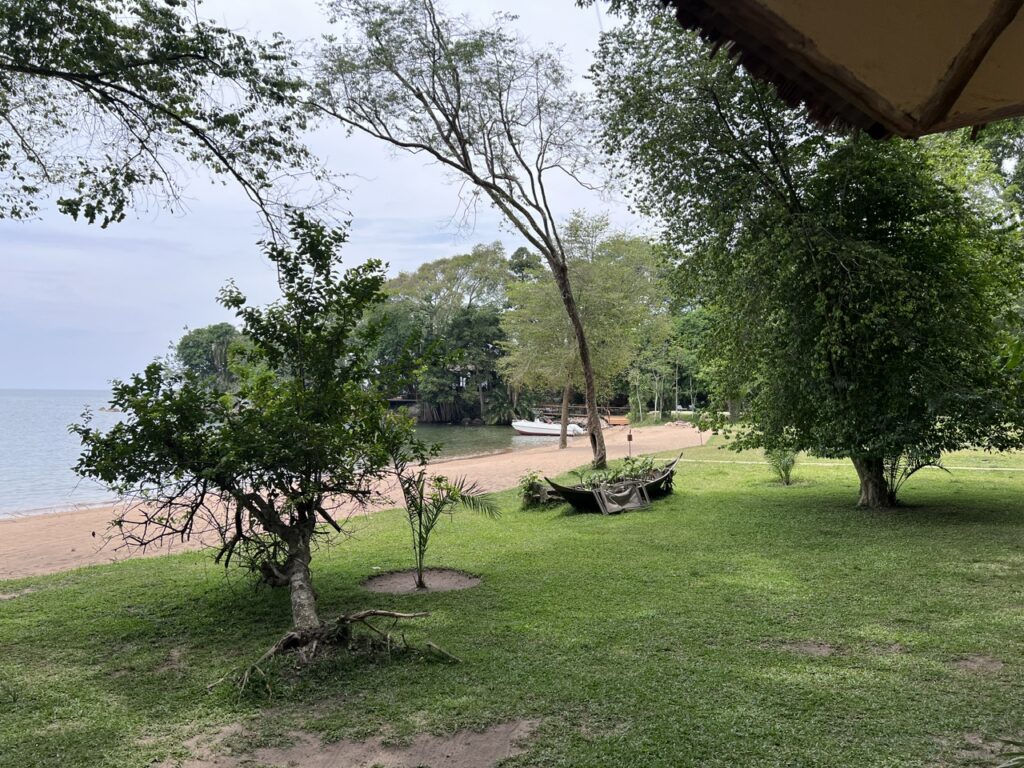
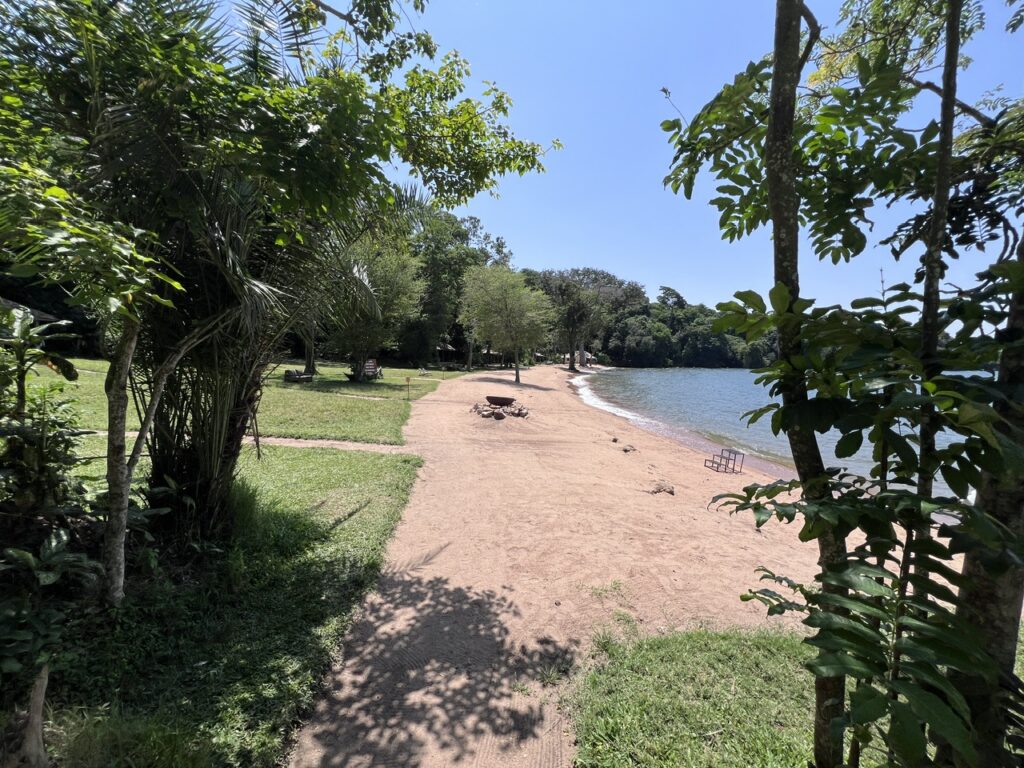
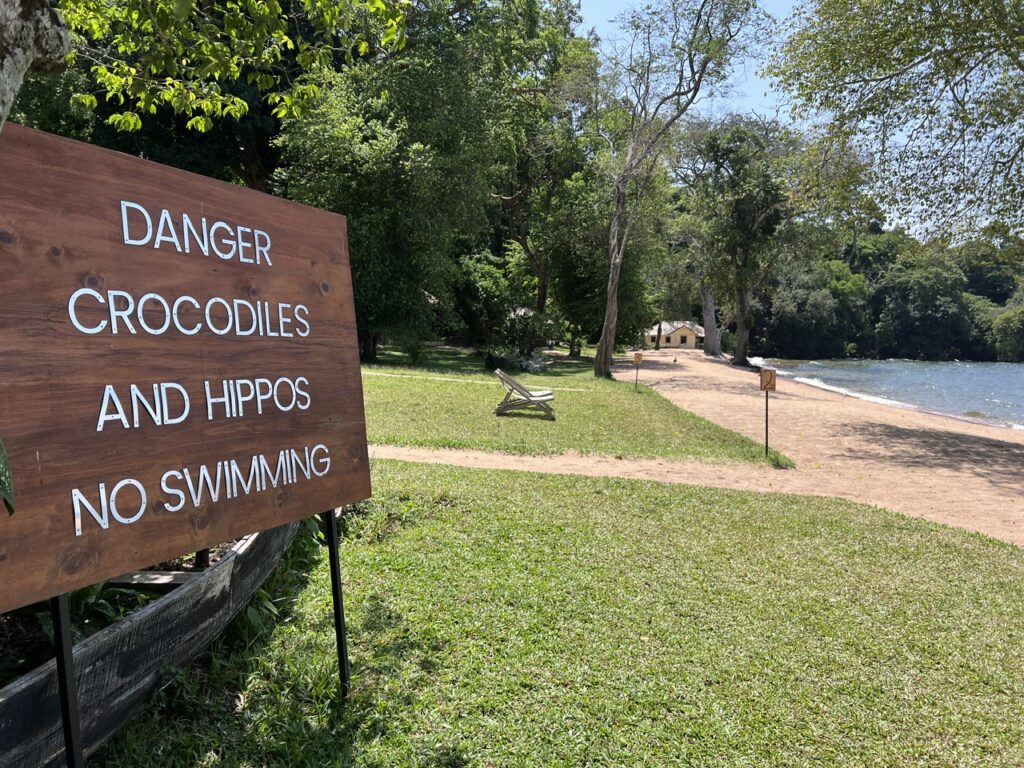
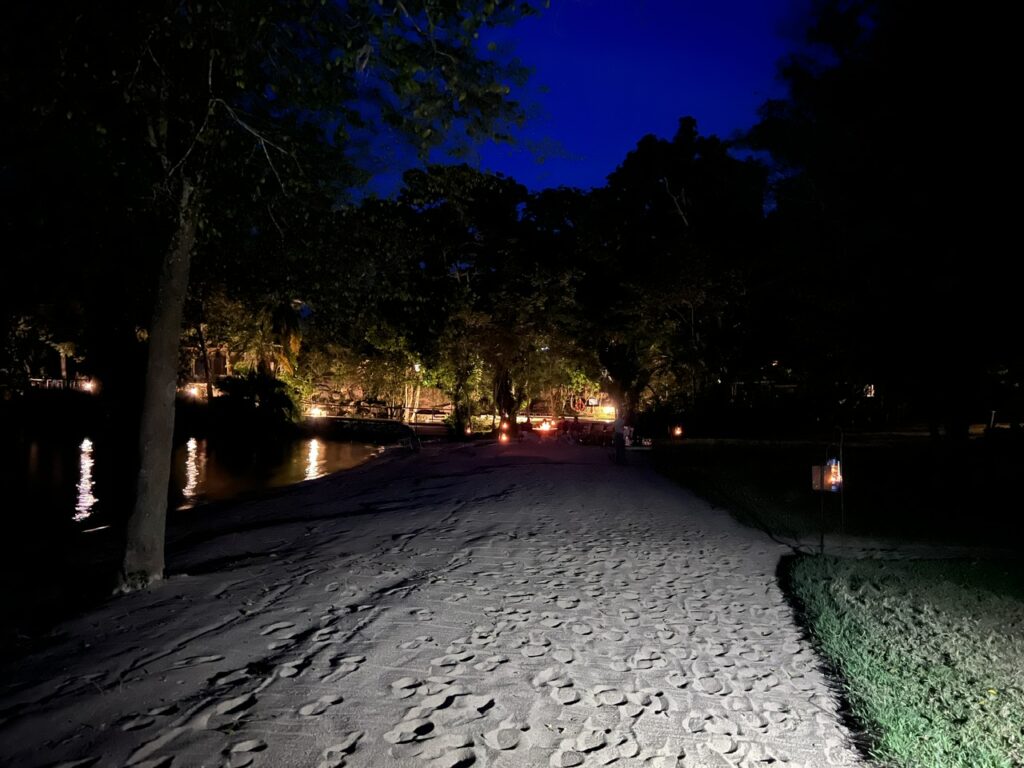
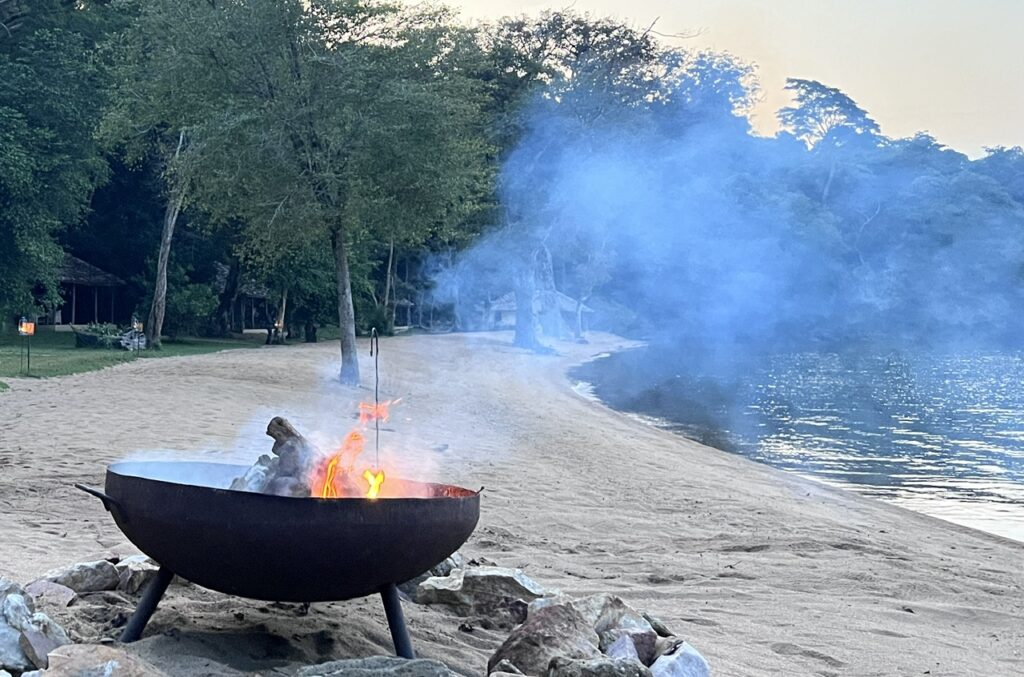
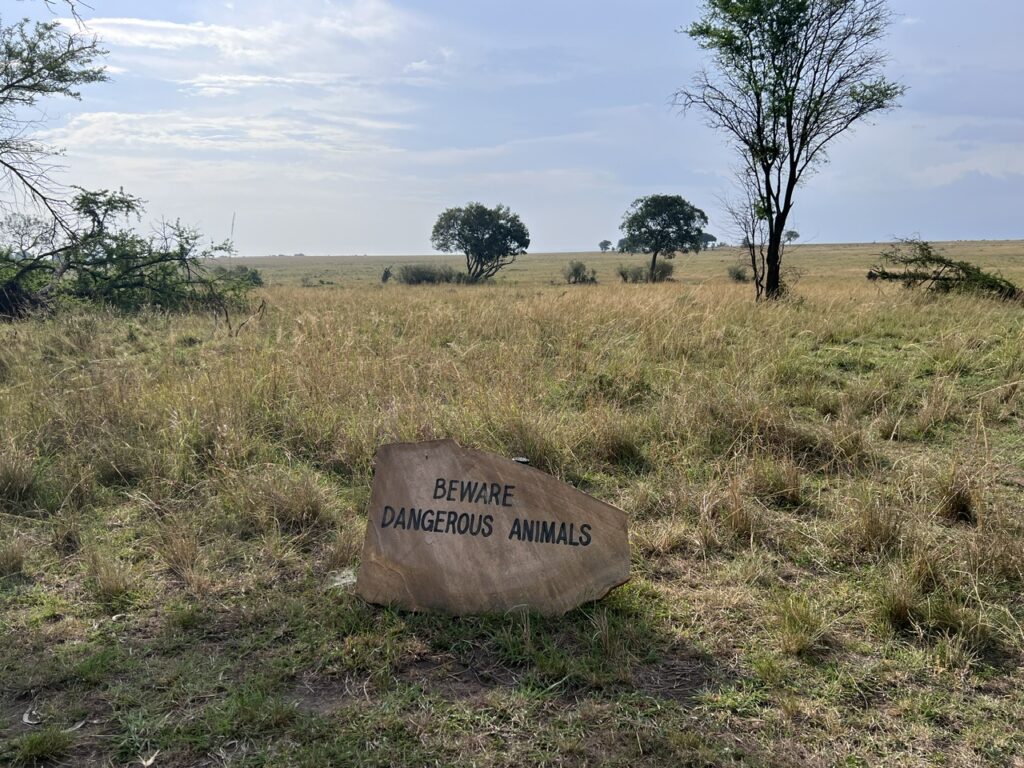
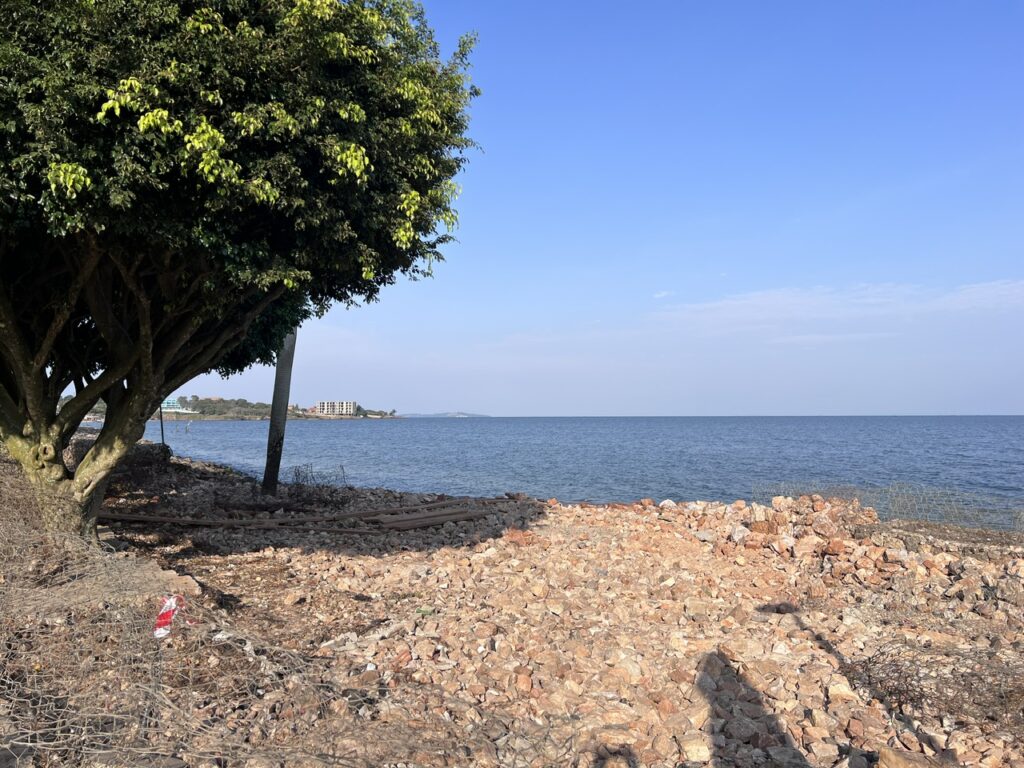
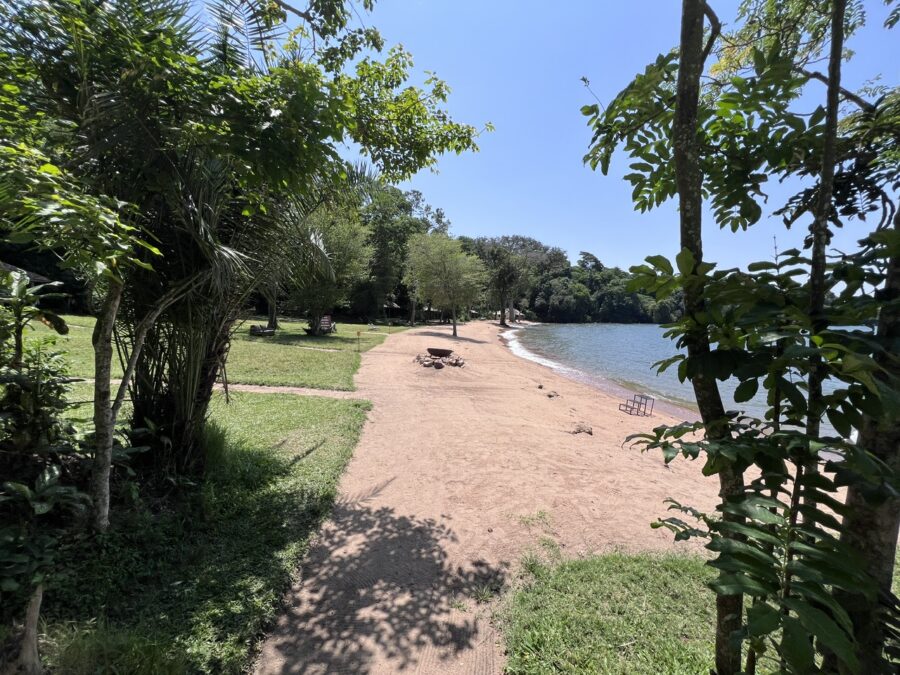
The drive to Rubondo Island Camp is a short one and the location is just stunning, being set on a beautiful sandy bay with immaculate green lawns and just eight guest cottages along the shoreline. However, the sign makes it very clear that this is not an ordinary beach and staying alert is advisable.

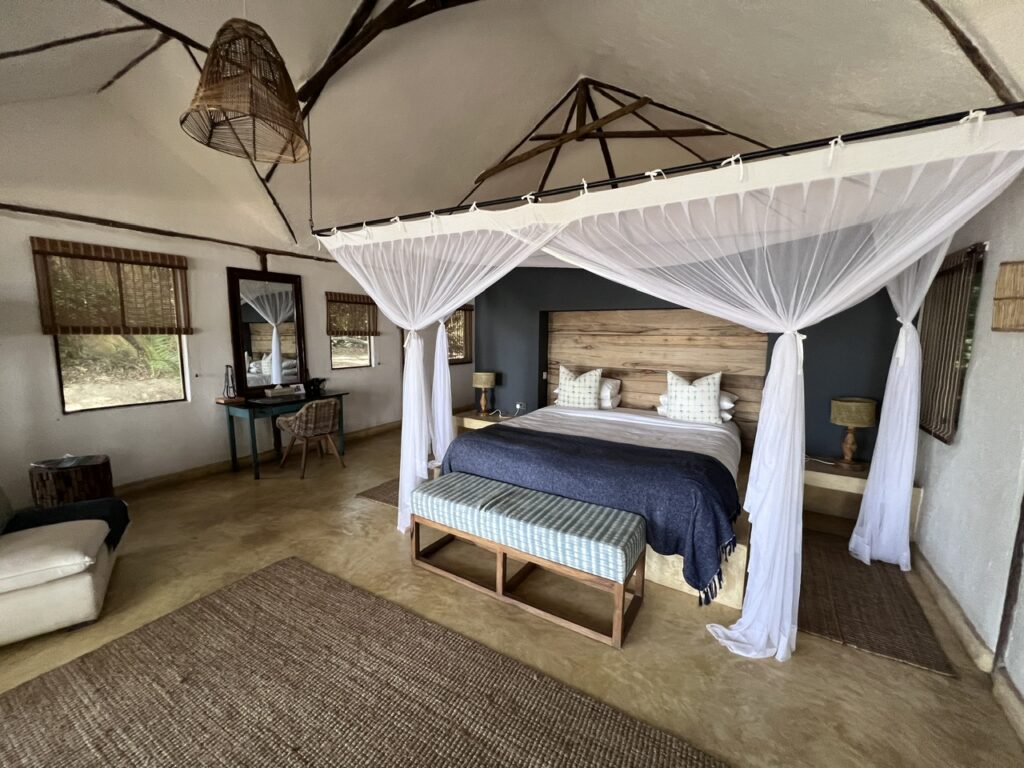
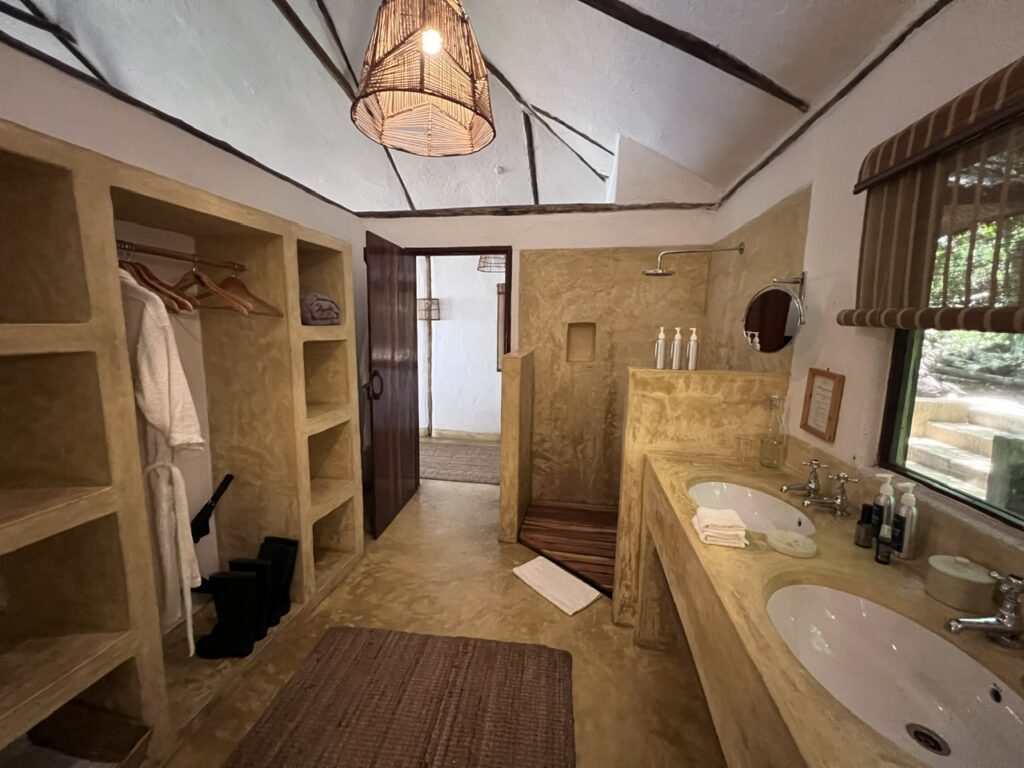
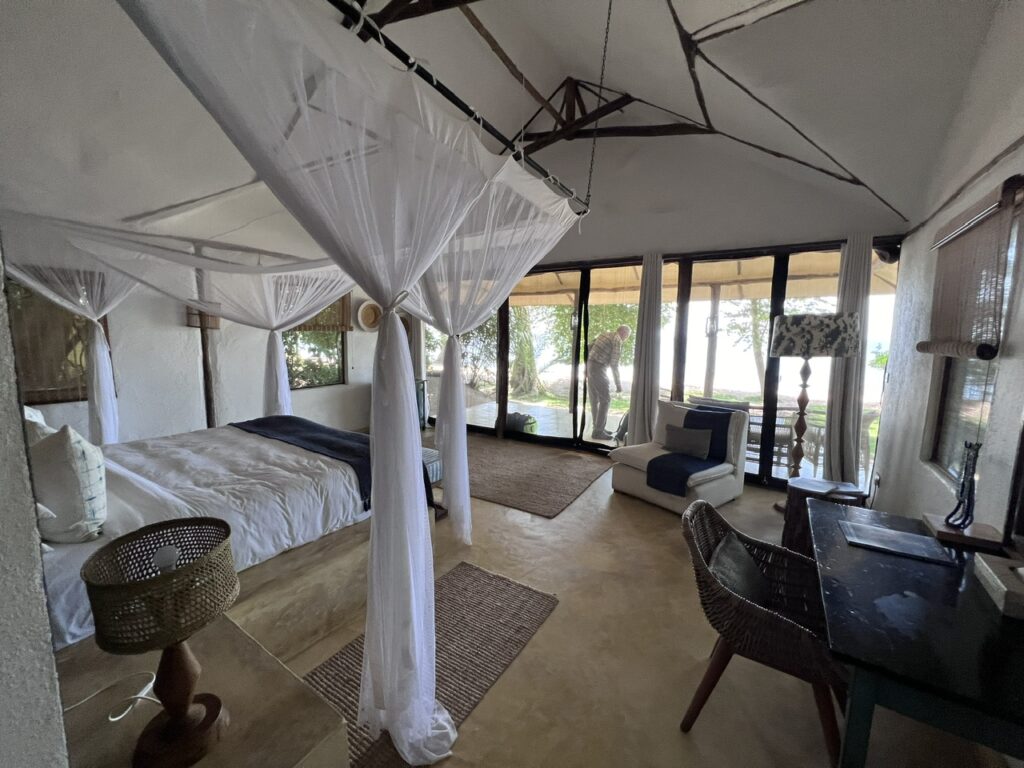
Our room is very comfortable with a large verandah. An idyllic haven to relax in.

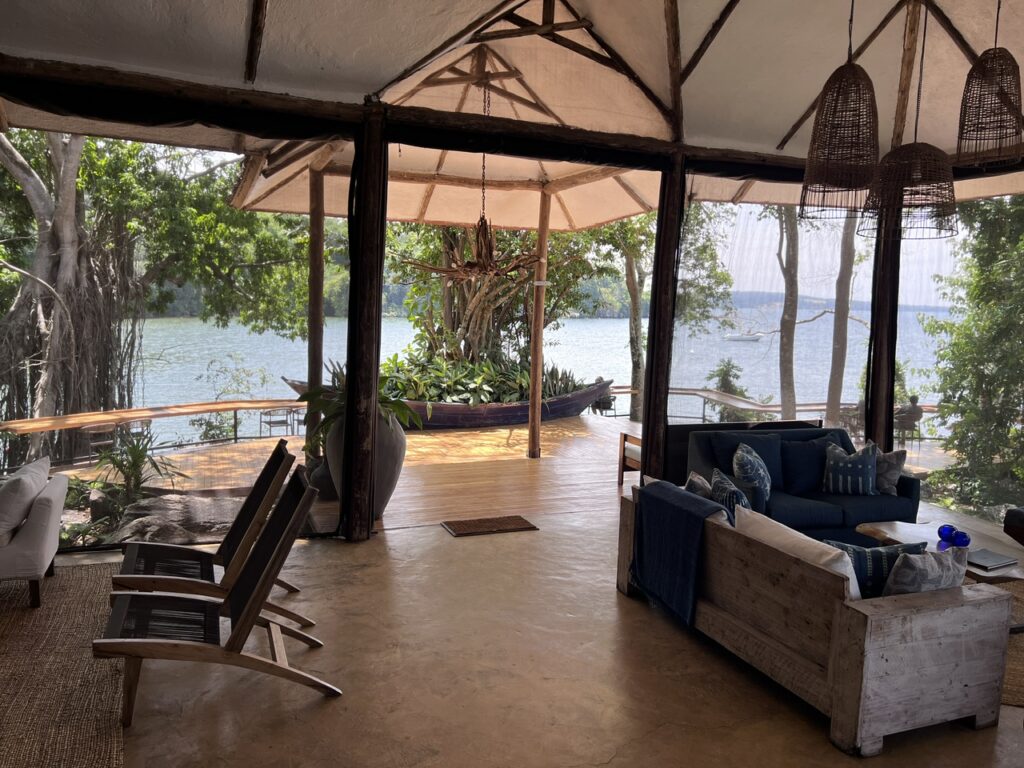
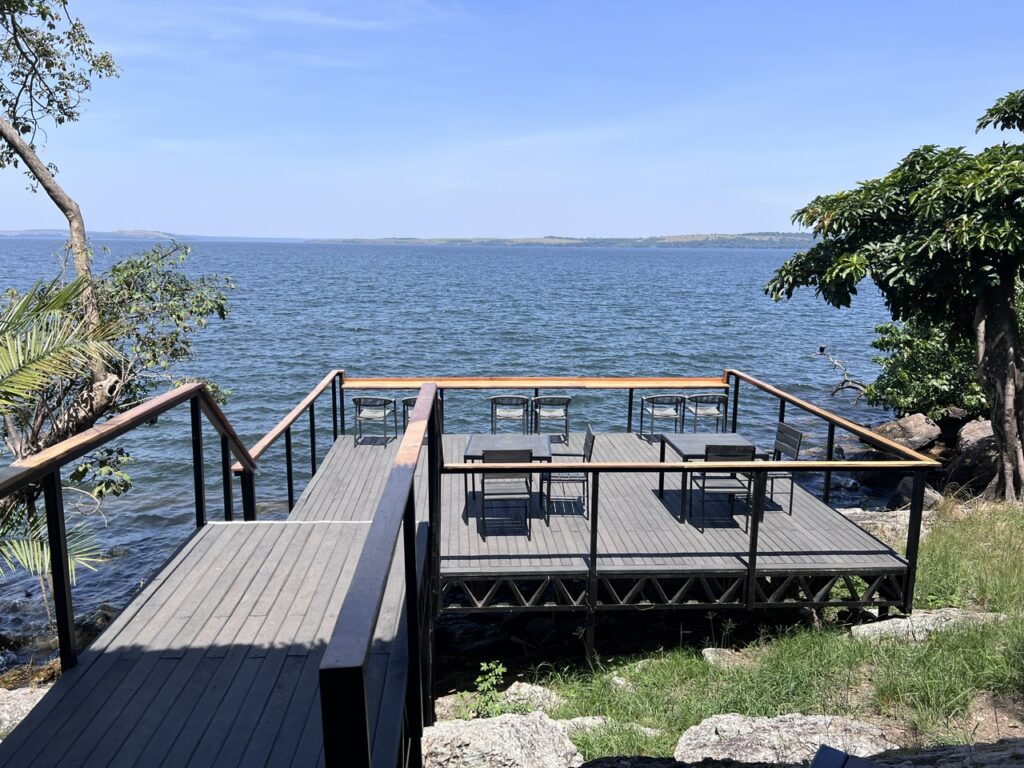
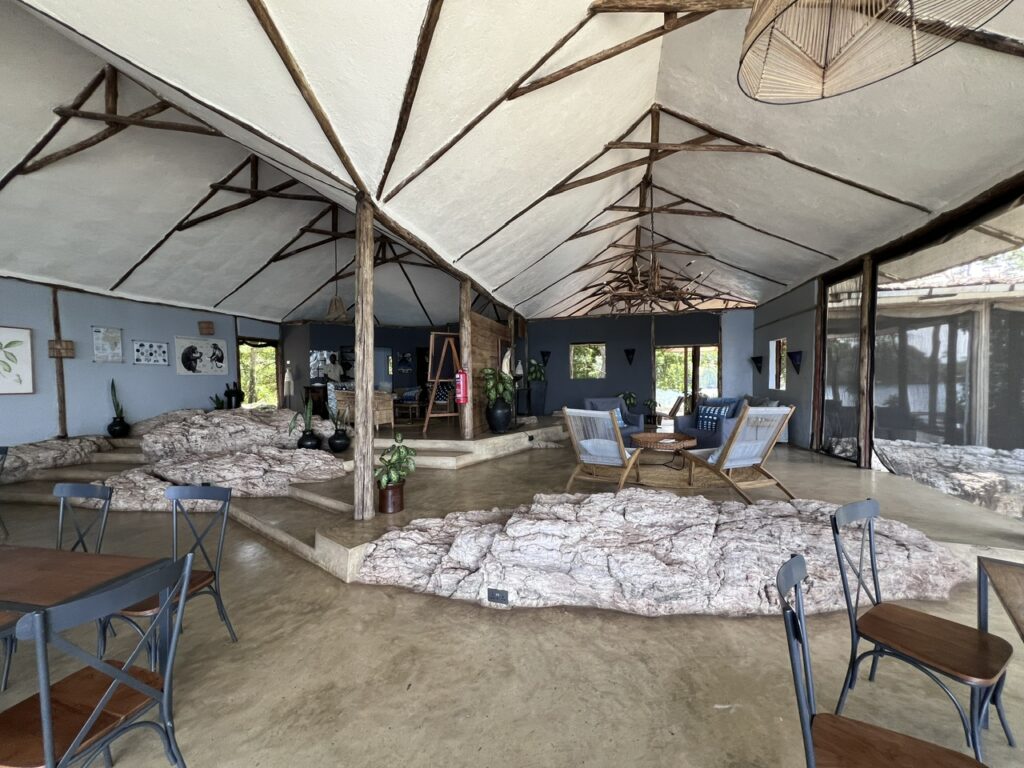
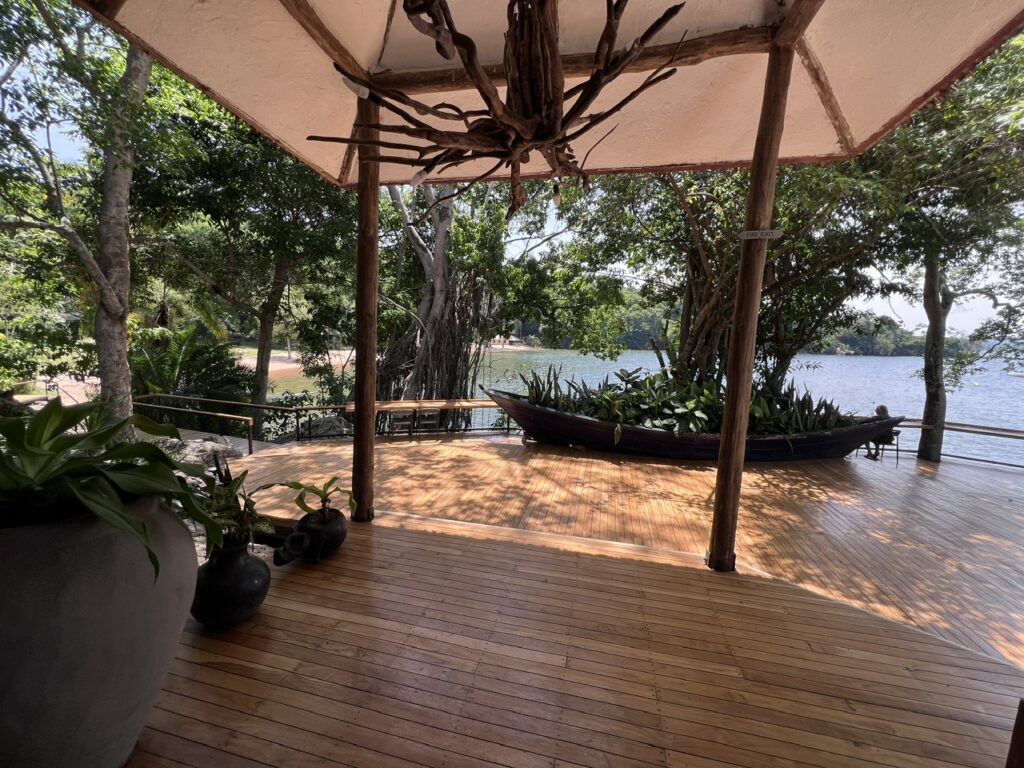
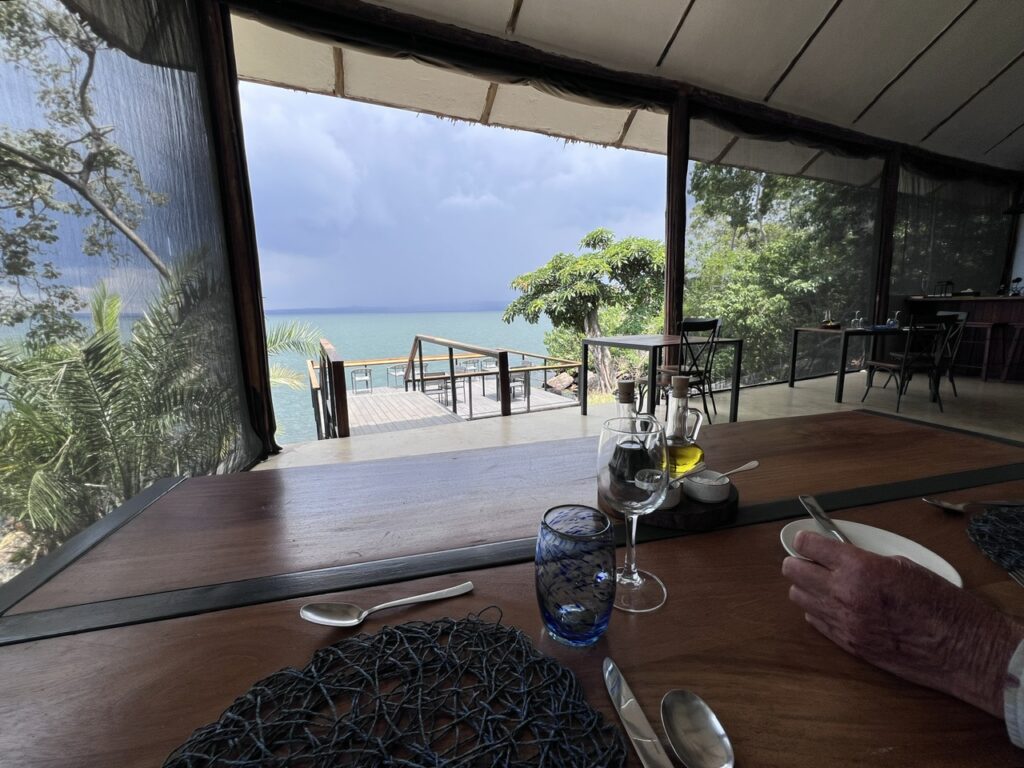
We freshen up then head for lunch in the main building. It is very cleverly designed and built into the rocky headland. There is decking all around the building with bar type seating along the edges and fabulous views from wherever you are sitting.

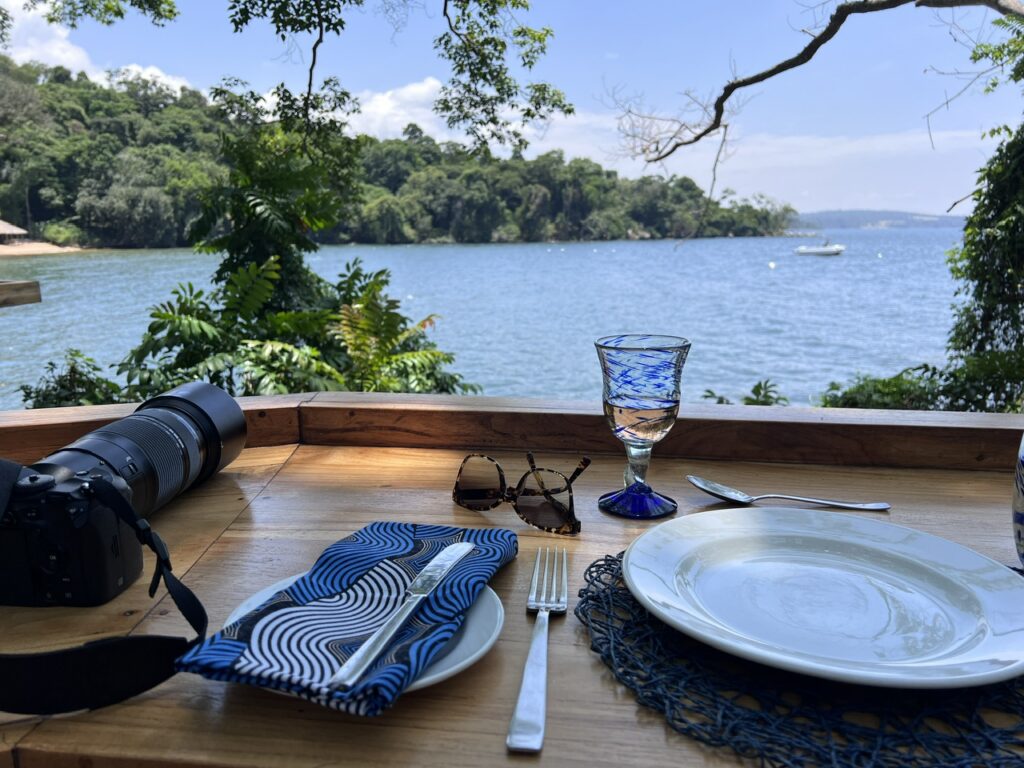
We are seated under the trees and looking out over the beach. Chilled rose is poured into our glasses and we enjoy a tasty lunch.

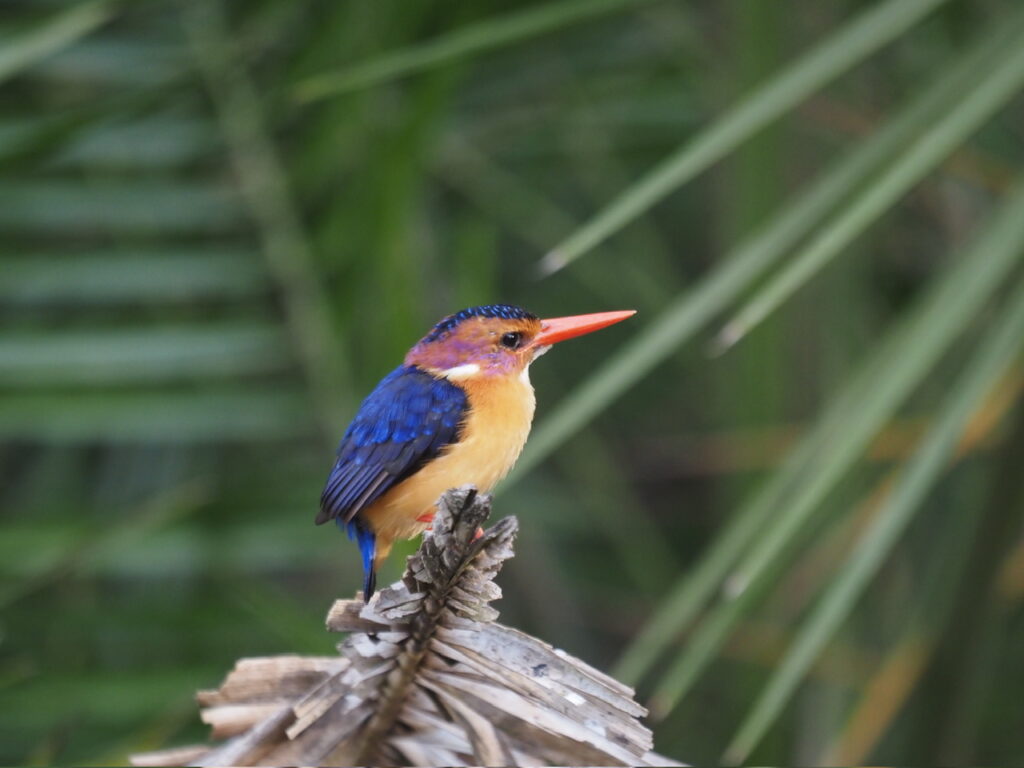
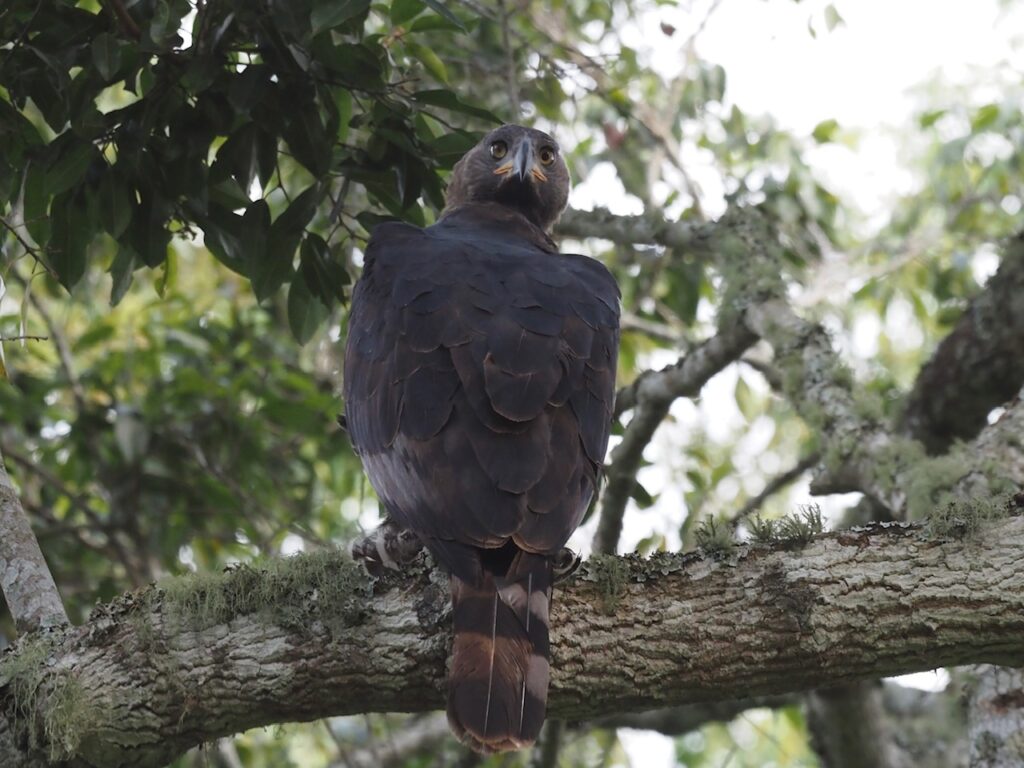
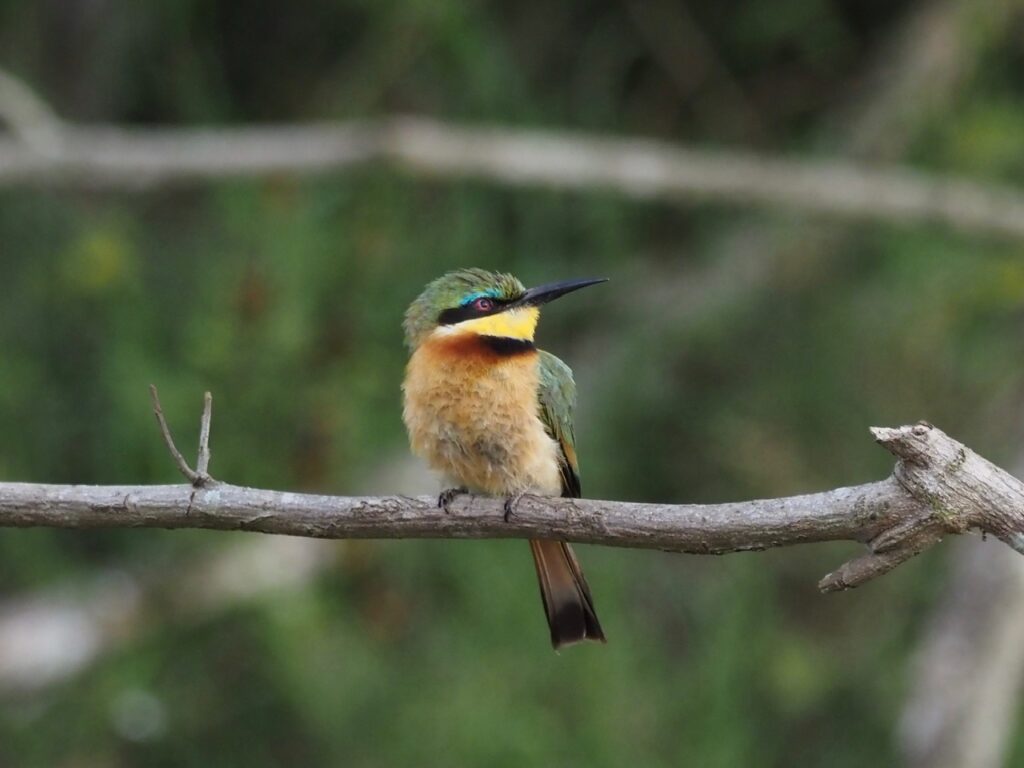
At 16.30 we head out for a drive. The road is a dirt track and very, very rutted and pot-holed on the steep slope out of the camp. It’s quite a bumpy start but the road soon flattens out. We drive at a leisurely pace, eyes peeled for wildlife. The island is small yet boasts nearly 300 recorded species of birds. We start well with a Pygmy kingfisher, a crowned eagle and a little bee-eater.

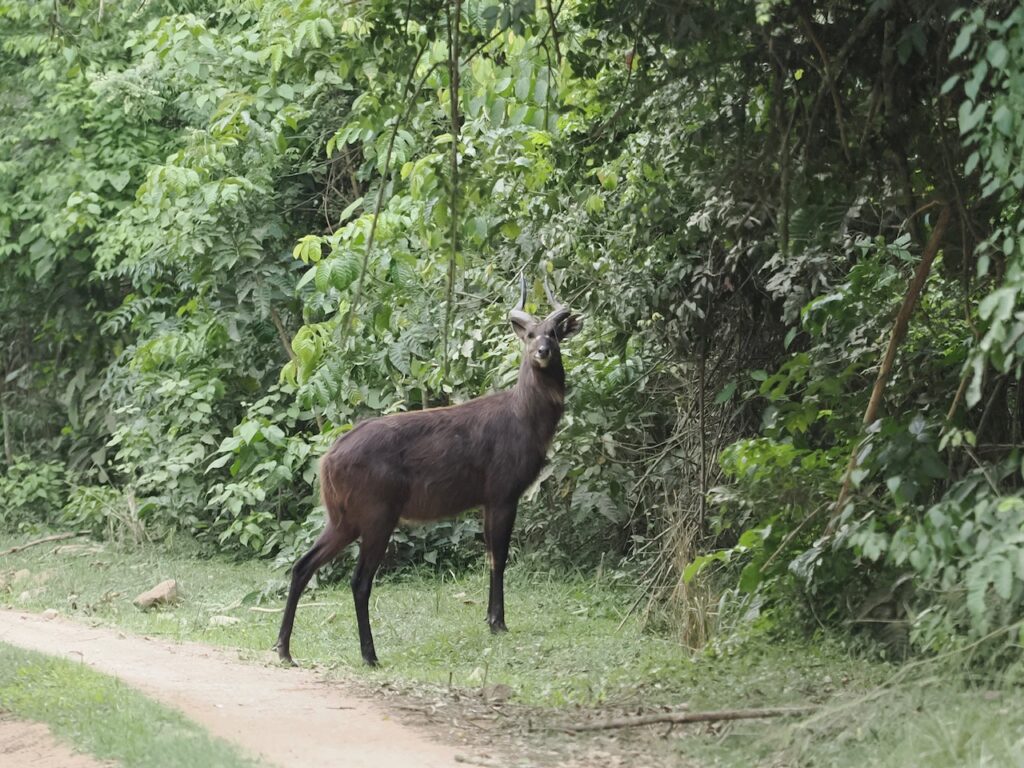
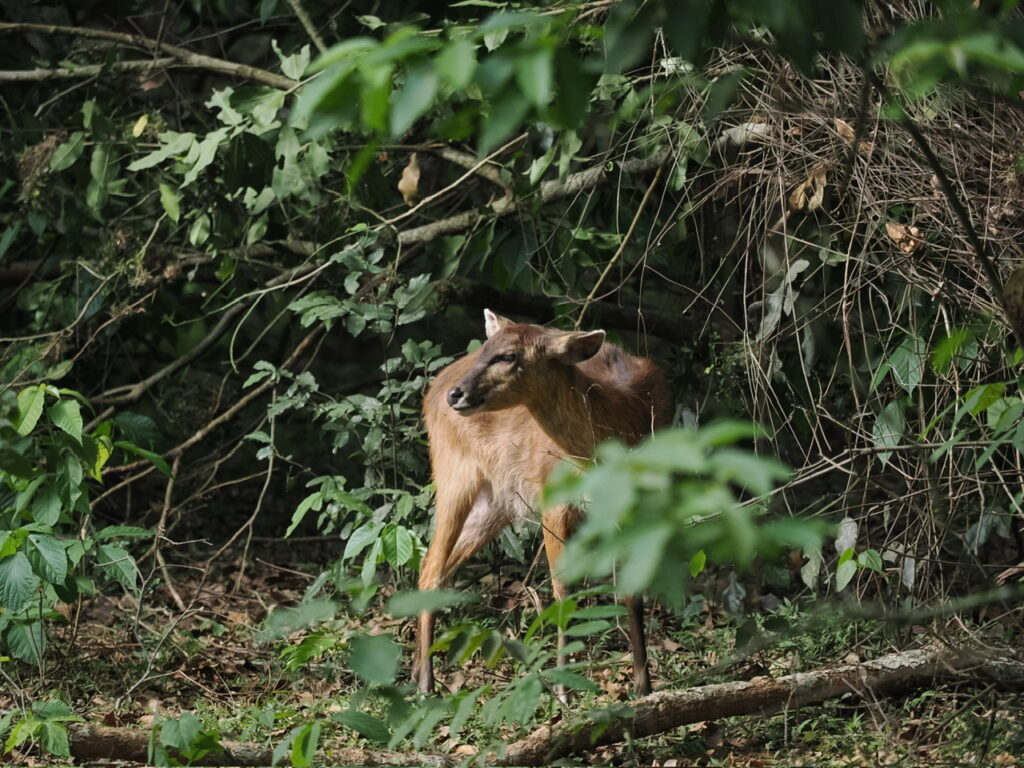
The mammals are not to be outdone though and we also see both a male and female of the shy and elusive sitatunga.

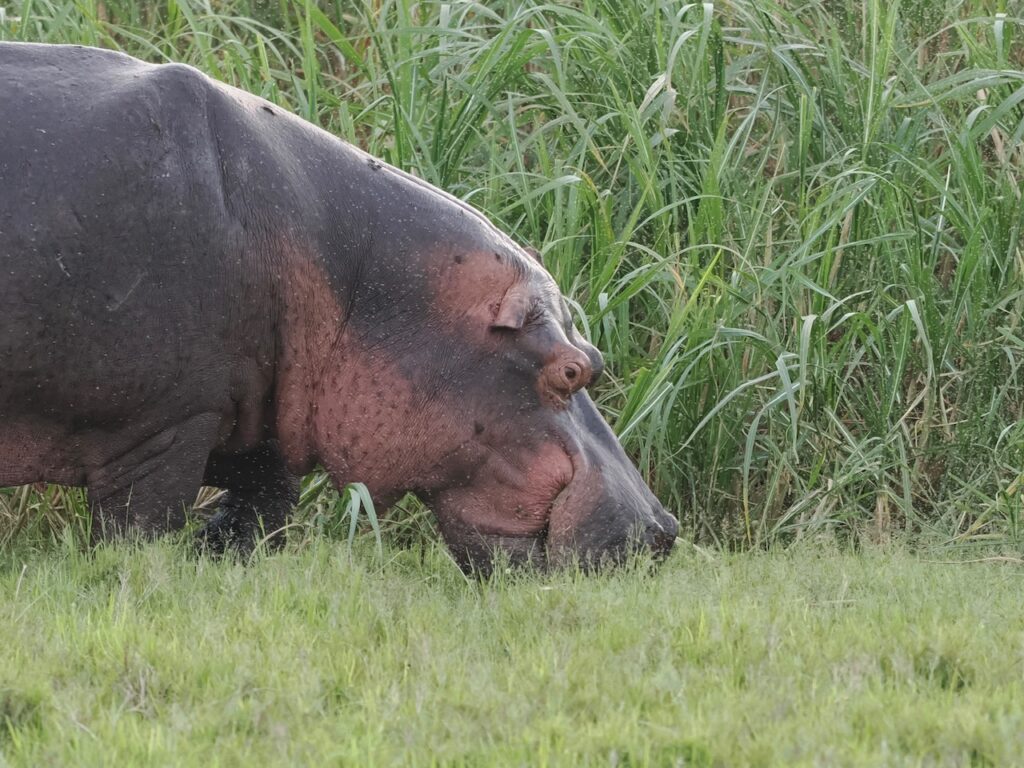
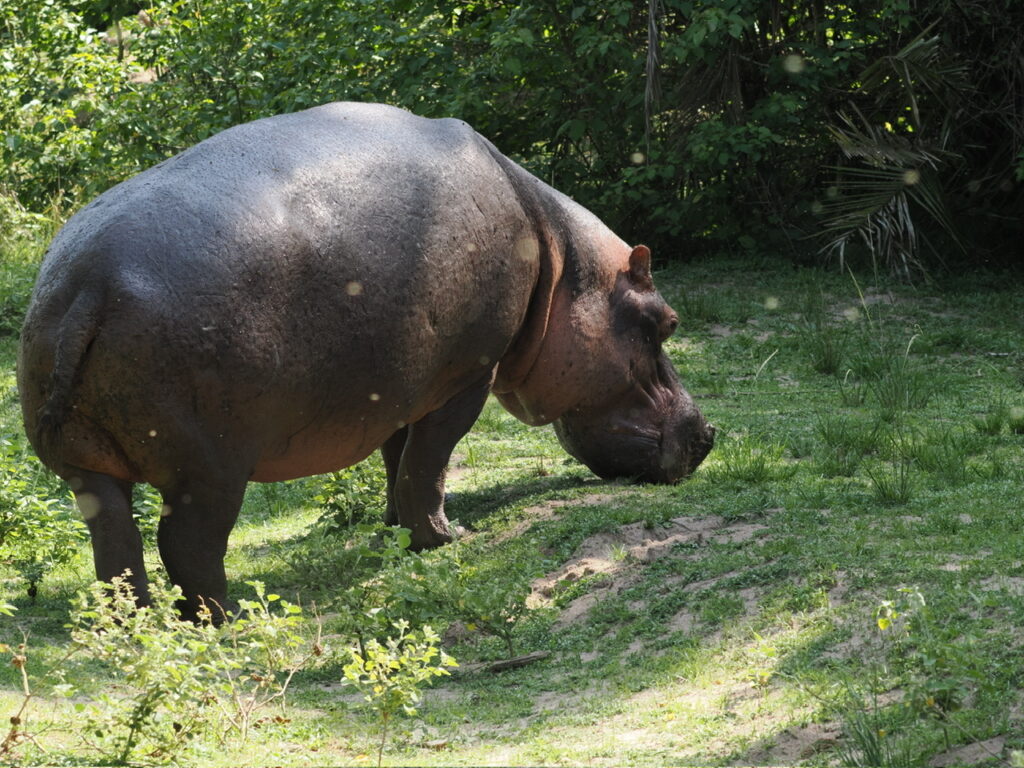
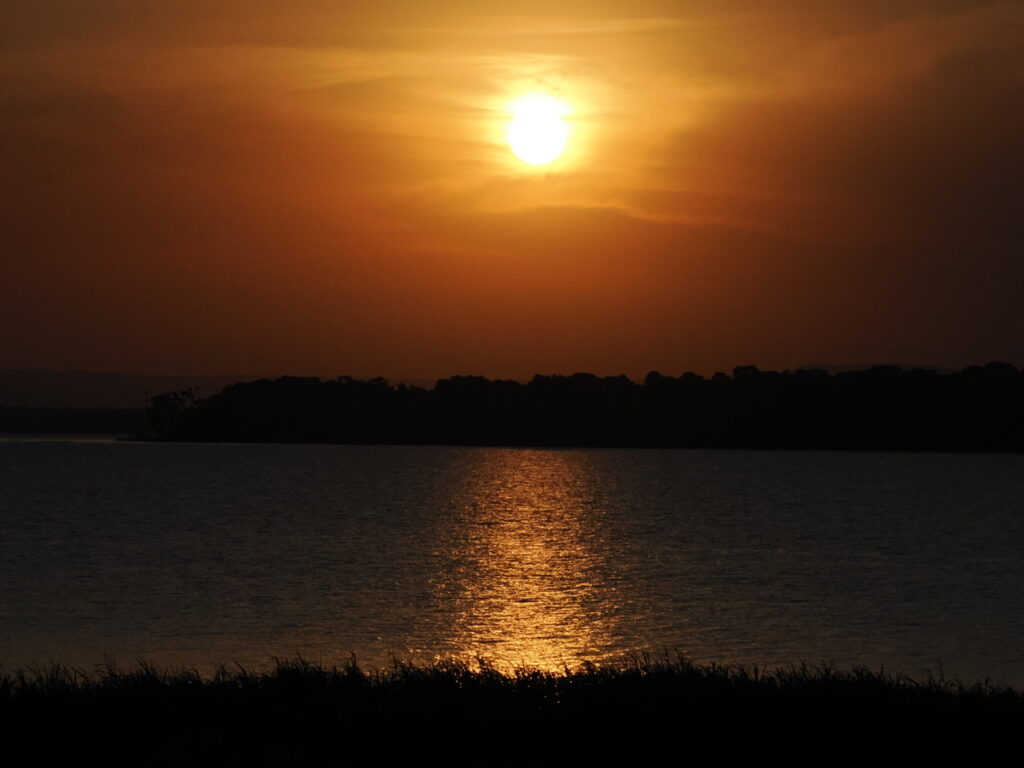
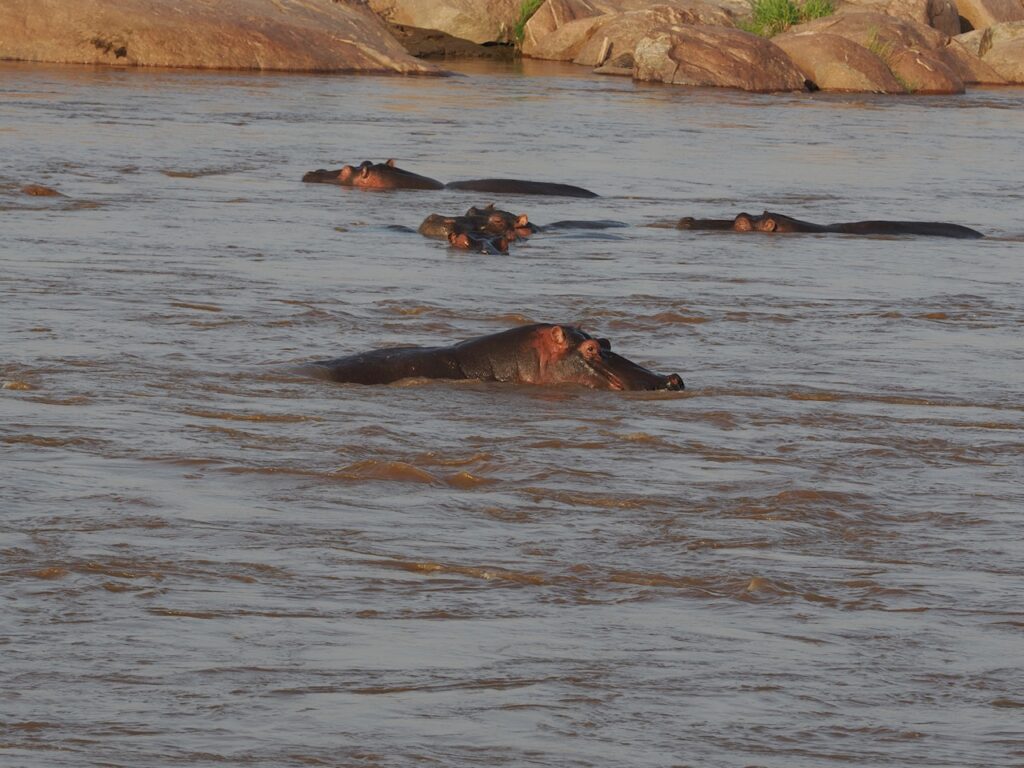
Eventually we arrive at a large clearing by the side of the lake. A super place to watch the sunset. The variety of bird species is astonishing and I am not quite sure where to point my camera. I start with a large hippo who is happily grazing despite being engulfed by a myriad of small flies. They are not midges though and we do not get bitten.

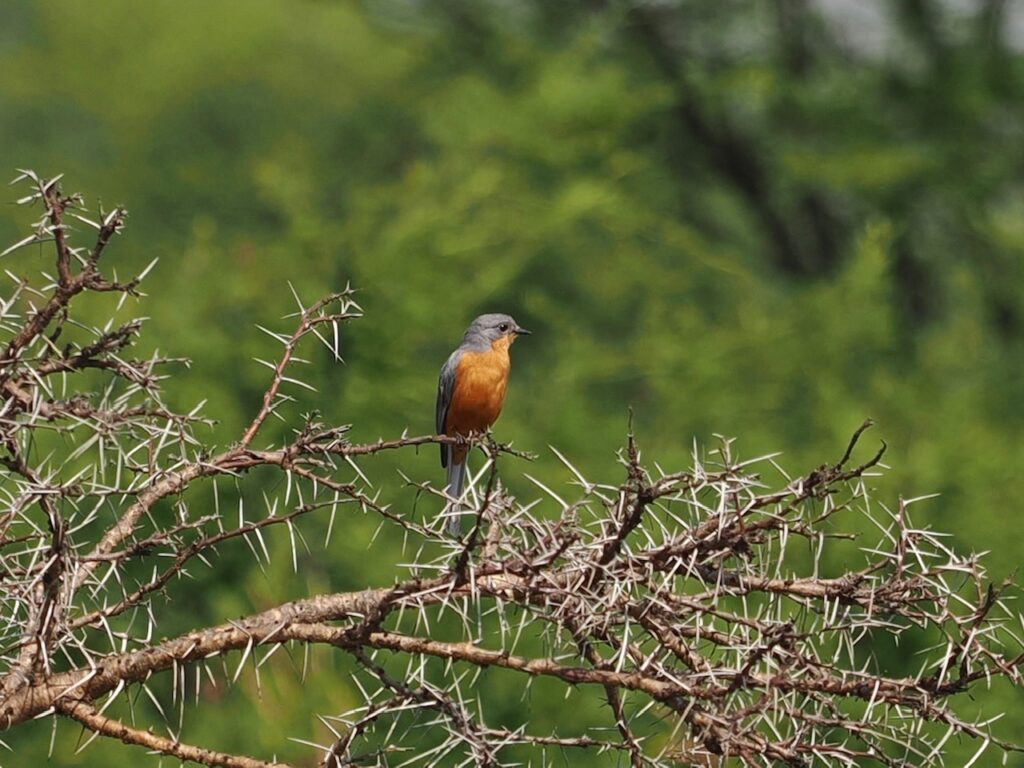
Then I concentrate on the abundant birdlife.

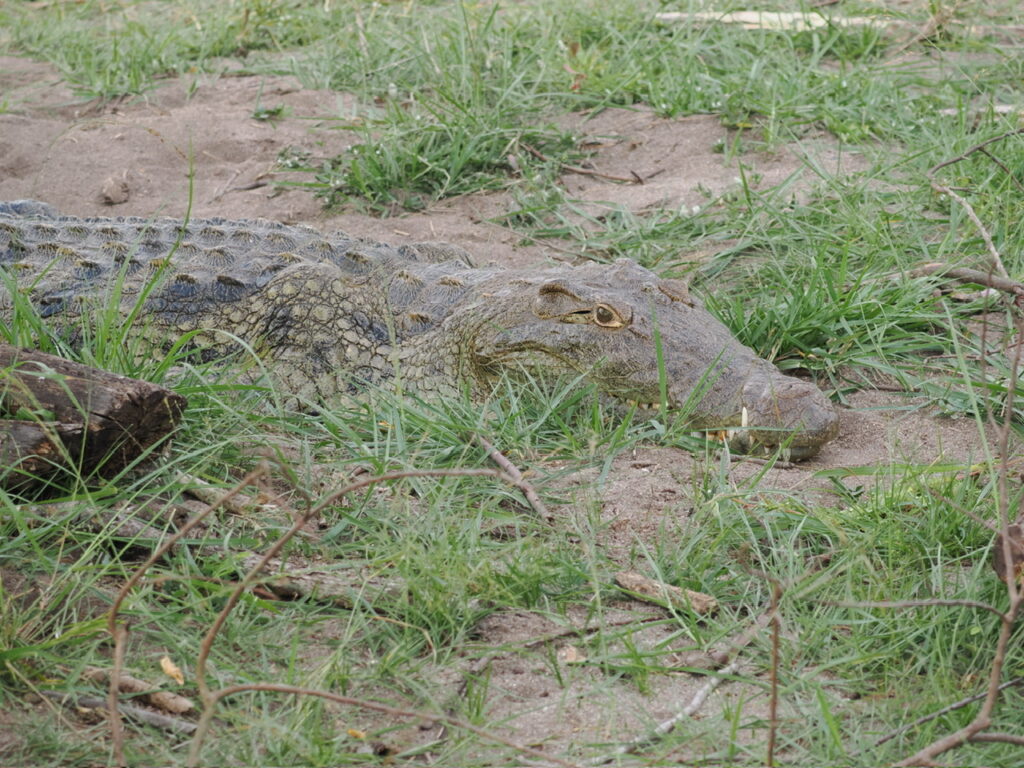
There are lots of crocodiles swimming in the lake and I also notice a rather large one not far away from where I am standing. He is pretty camouflaged. Note to self – look carefully before wandering around!

It will soon be dark so we had back for sundowners which have been setup on the beach.

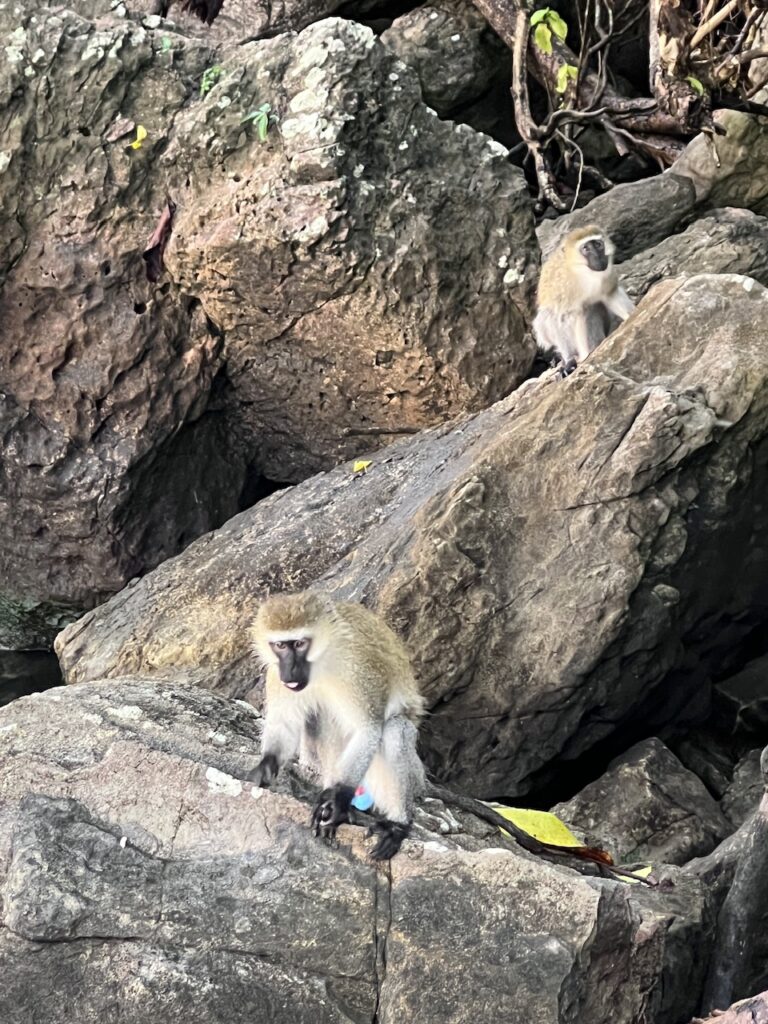
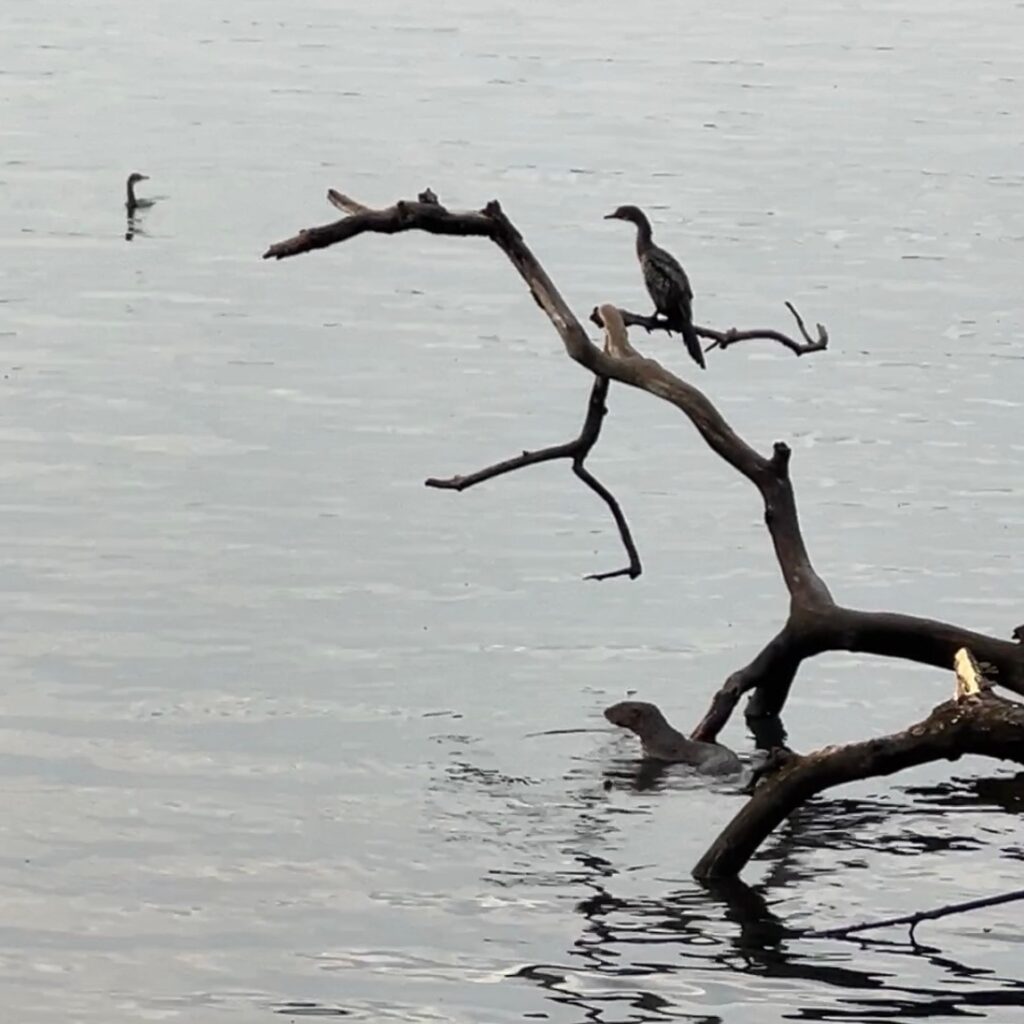
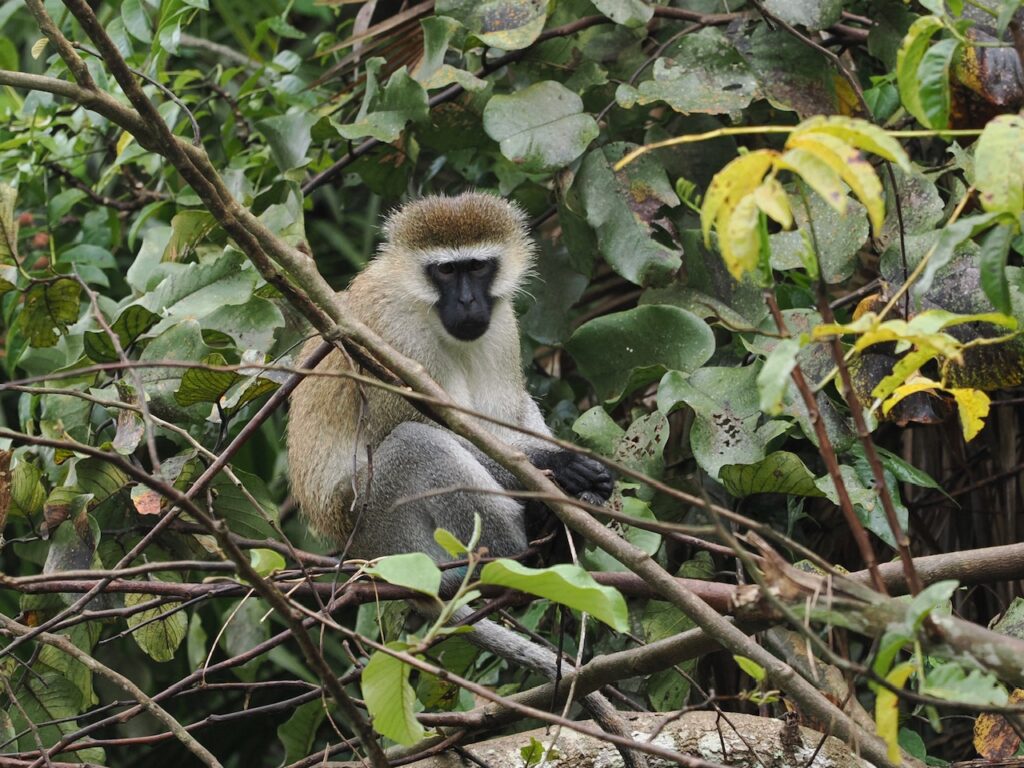
Breakfast is served on the deck overlooking the lake. Vervet monkeys scamper over the rocks on the shoreline below us, foraging for food. We are surprised and delighted to see a family of otters swimming close by and also on the hunt for their breakfast. I did not have my camera with me but captured some video with my phone when one of them surfaced. I’ve taken a screen shot to prove we saw them.

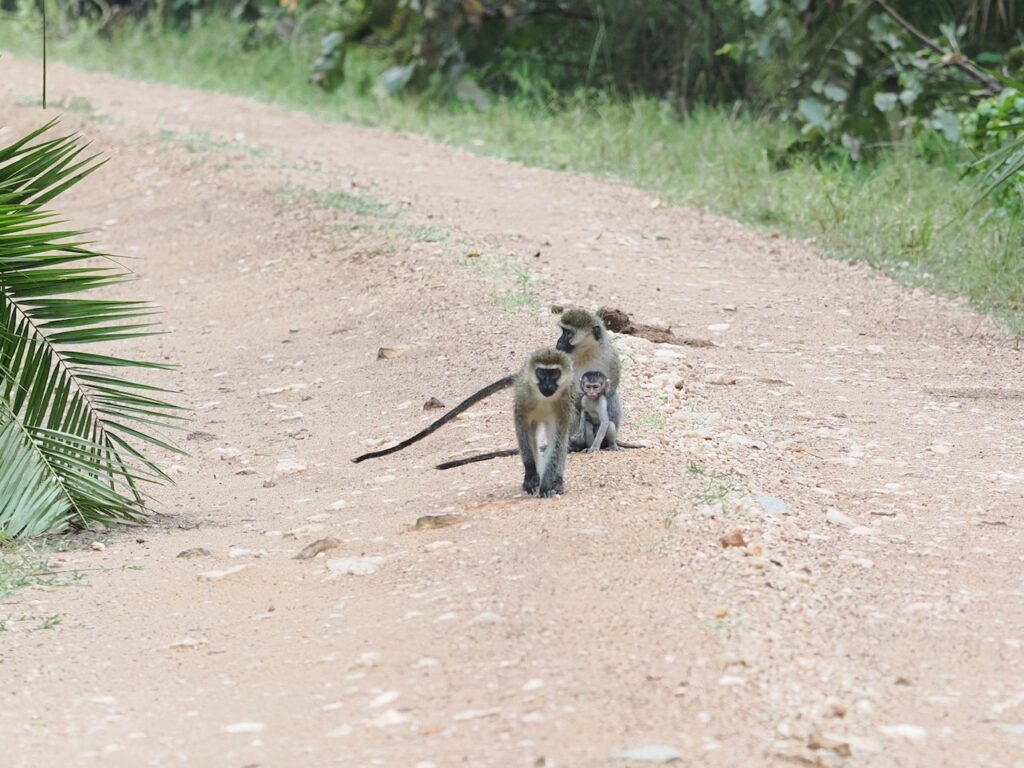
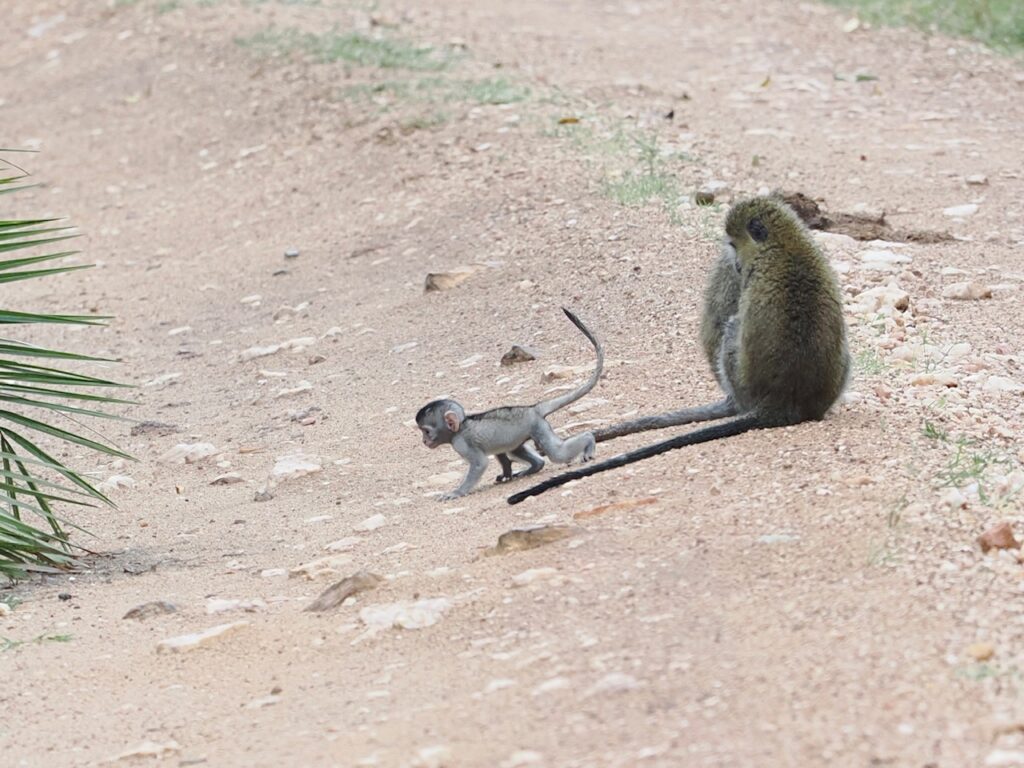
Today is rather exciting. We shall be trekking through the jungle in the search for chimpanzees. 16 chimpanzees were introduced in the 1960’s from European zoos and circuses and there are now believed to be between 60-80 chimpanzees living wild in the forest. They are not fully habituated to humans yet and visitors are encouraged to engage in the habituation process. Trackers have been sent out to try and locate the chimps. We are told they are very distant. Accordingly we set off with little hope of a successful encounter. En route we stop to watch a family of vervet monkeys wth a very cute baby.

We drive to the north of the island and park in a clearing. Here we wait while the trackers try to gain sight of a chimpanzee. We are not feeling particularly optimistic and having waited for the best part of an hour, we are delighted to see two trackers returning to tell us that the chimps have been found, but that we will have a long hard trek to access them. We quickly gather our kit and walking poles and set off.

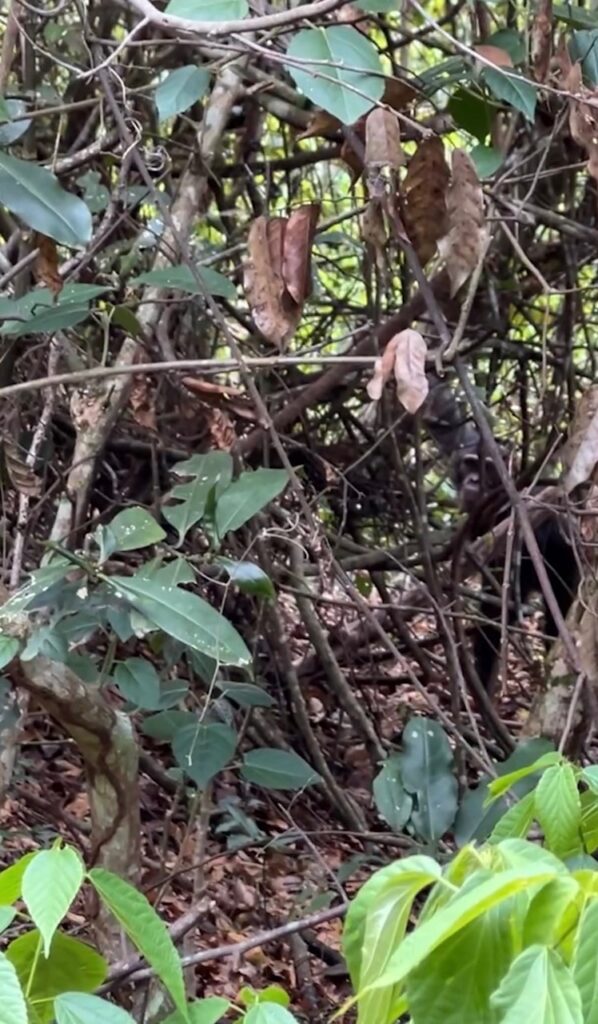
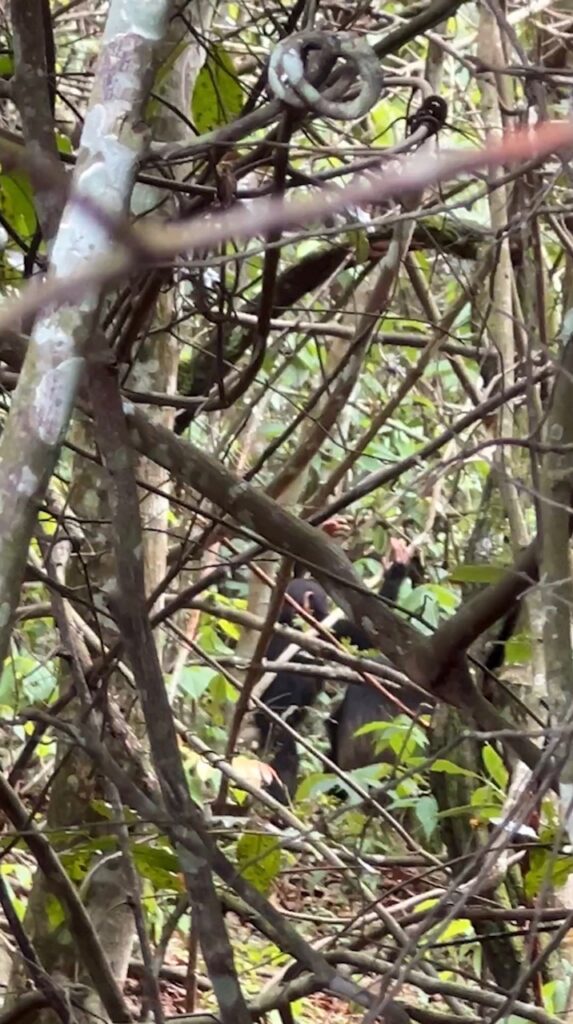
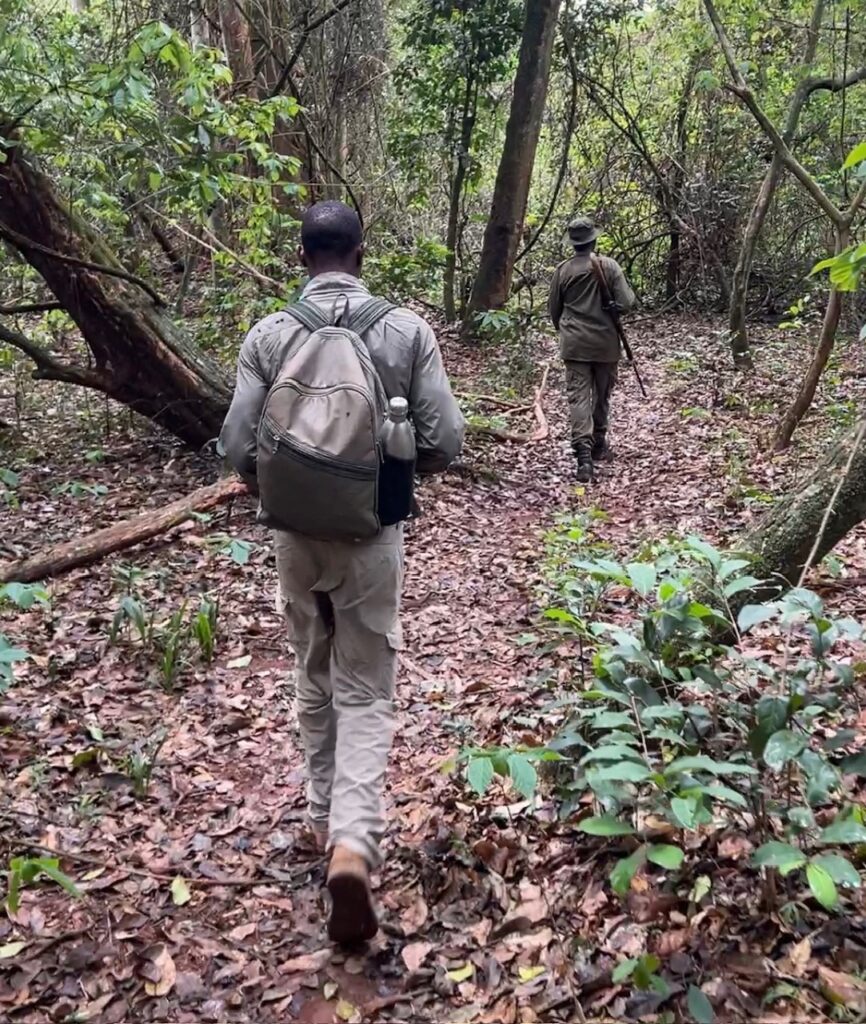
Our party comprises the two of us, our guide, a ranger with a rifle and two of the five trackers, who have returned to guide us to the chimps. Initially the going is easy on a rough track, but before long we are scrabbling up steep and banks. The trackers set a fast pace. This is definitely more hardcore than the gorilla trek. Chimpanzees are very mobile and speed is of the essence. The scrub below the trees is dense and often thorny. We have to duck beneath or step over branches and muscle our may through tiny gaps with twigs and thorns snaring our backpacks. Vines abound and prove to be a great tripping hazard. They are really strong and even thin stems cannot be broken by hand. Paul is tall and definitely has the hardest job to squeeze through some of the small openings. After nearly two hours, we finally find the chimps and they are very close. A male peers at us through the undergrowth. He tugs on branches and puts on a power show then decides to recede. A youngster is more curious but its mother quickly scoops it onto her back and hurries away. We watch spell bound, the encounter is brief but breath-taking. Impossible to take photos as there is far too much vegetation. I am happy to just observe, but our guide does take my phone and records a little of the encounter. I’ve taken a couple of screen shots from it. It is much easier to see what is happening on the video, but you can at least see how close they were. I would say 10-15 feet maximum.

We started to follow the chimps through the forest, but elephants were heard close by. They can be extremely dangerous in the confines of the forest so we make a hasty retreat. Our return to the vehicle is much quicker as we can detour onto a forest trail.

Screenshot

It is close to 14.00 when we arrive back at camp. A very long and satisfying morning has left us with a healthy appetite and we head straight for lunch. We eat inside as a heavy rain shower is approaching.

The afternoon is spent relaxing, followed by sundowners on the beach.

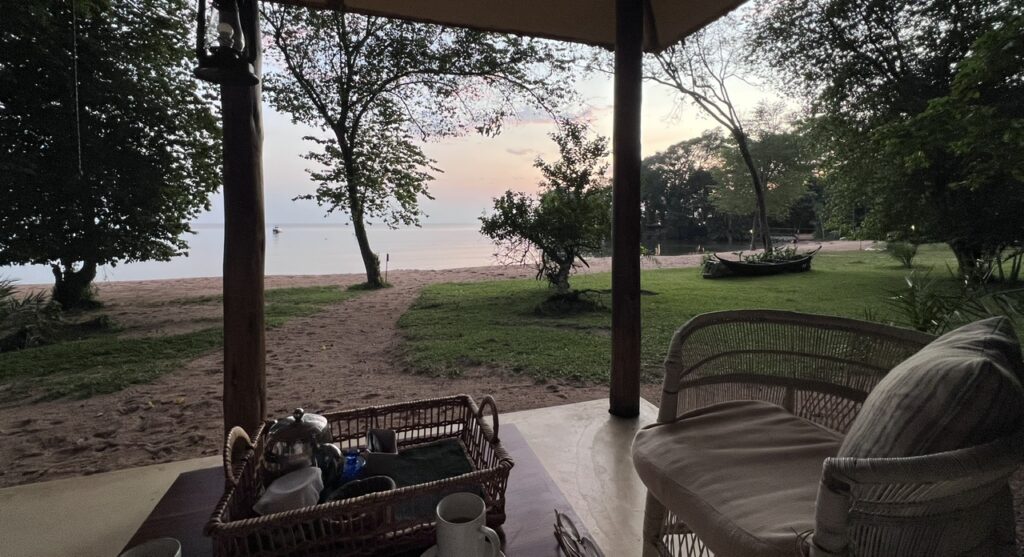
Next day we enjoy a leisurely start. A tray of early morning tea is brought to us on our verandah, which we drink whilst watching the sunrise. The morning birdsong is wonderful and we are again entertained by vervet monkeys scampering on the lawn and beach in front of us.

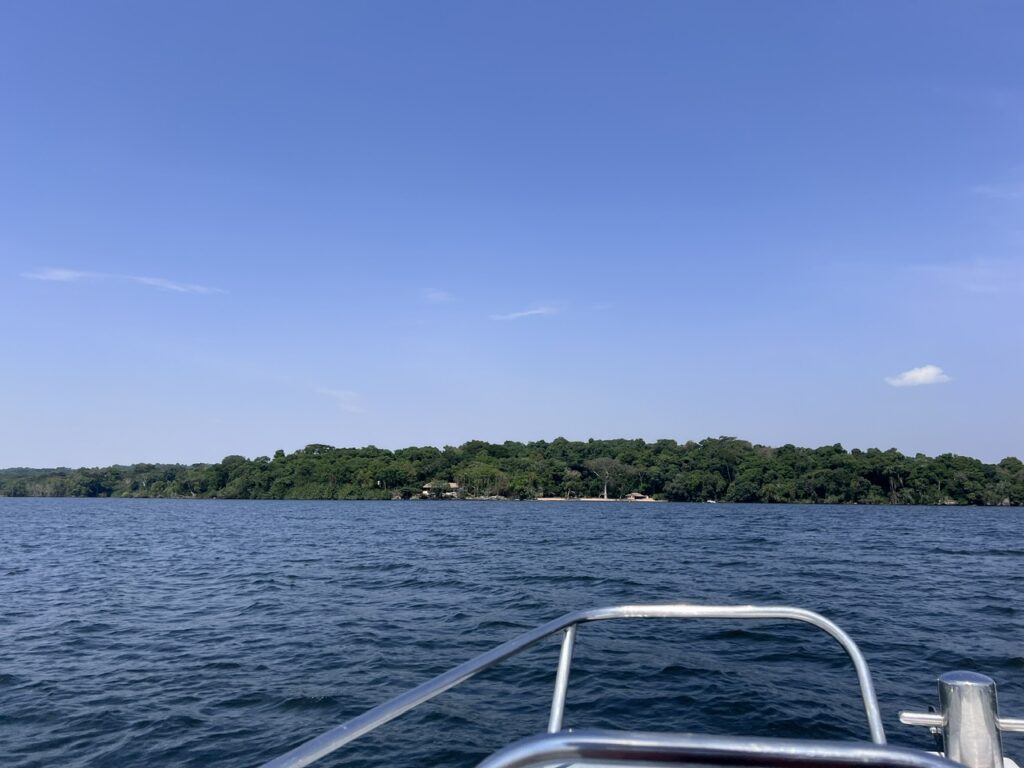
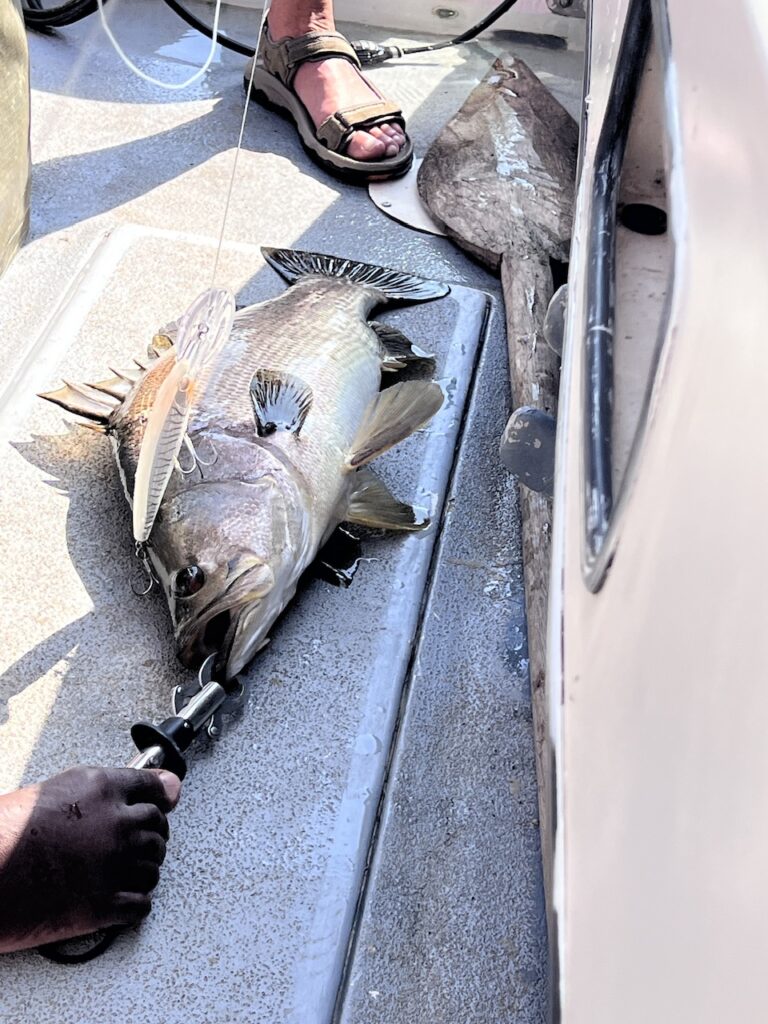
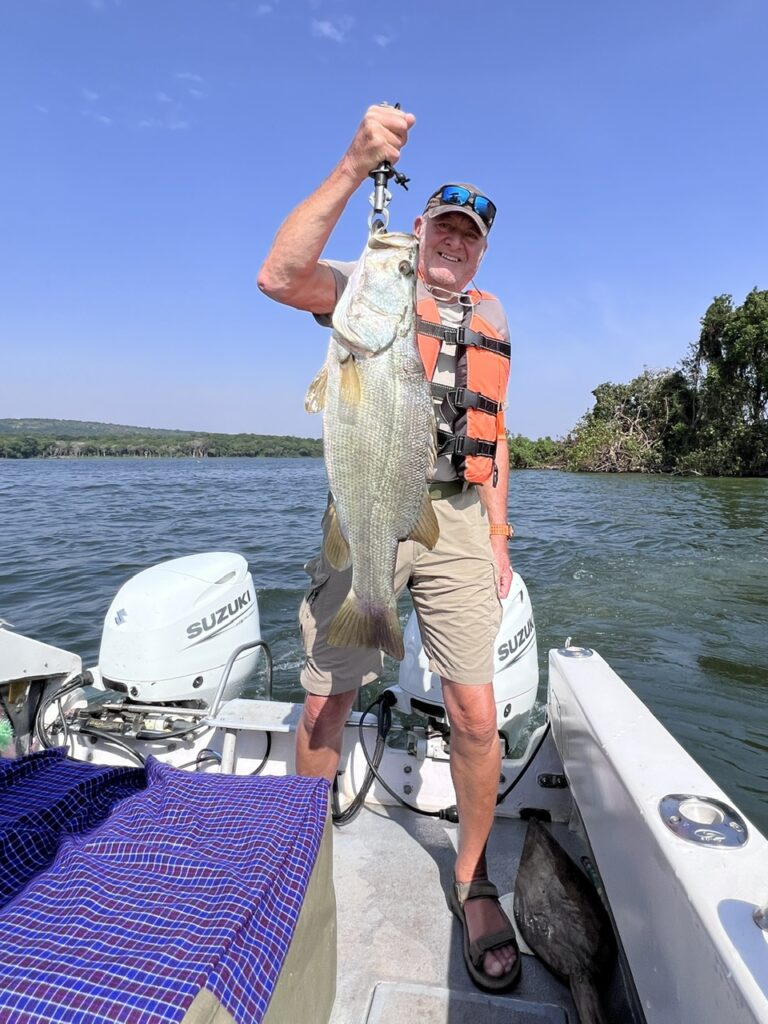
After breakfast we head out in a boat across Lake Victoria, with the main aim of Paul catching a nile perch. This is a lovely change of pace. The boat is fast and speeds out across the lake. The coast looks so beautiful from the water.

While Paul fishes, I concentrate on photographing the abundant wildlife.

Paul is successful in his mission and lands a huge nile perch.

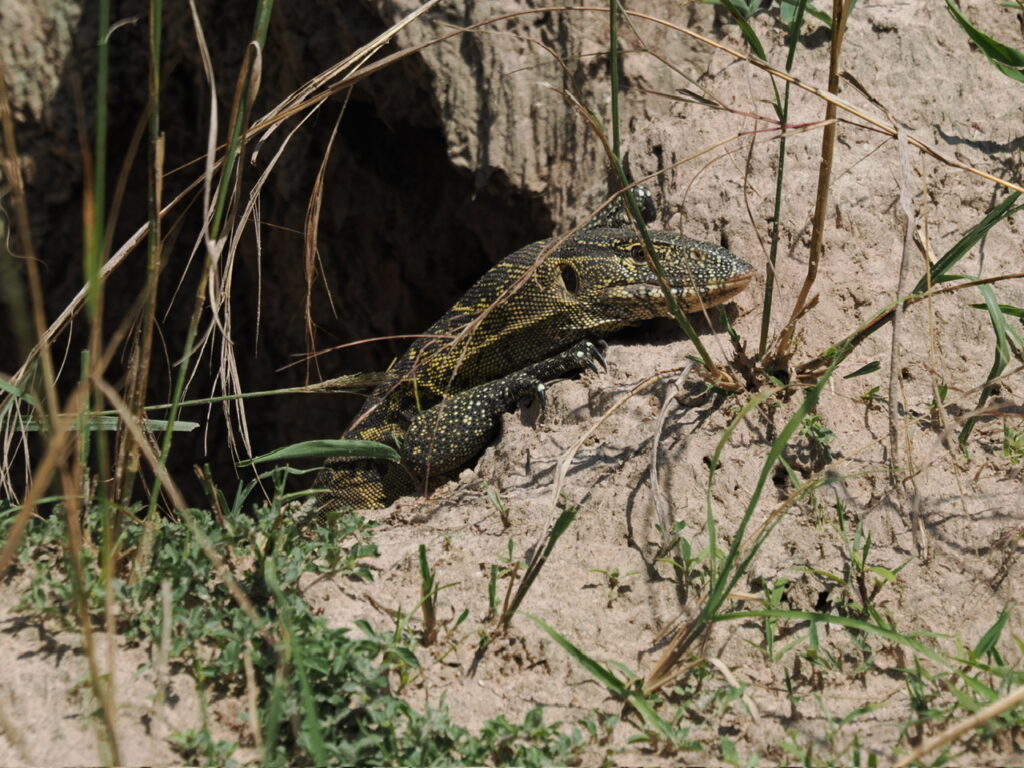
In the afternoon we drive to the south of the island. The vegetation is dense so spotting wildlife is challenging. Today we are lucky. It is hot and sunny and that means the reptiles are active. We see a large monitor lizard…

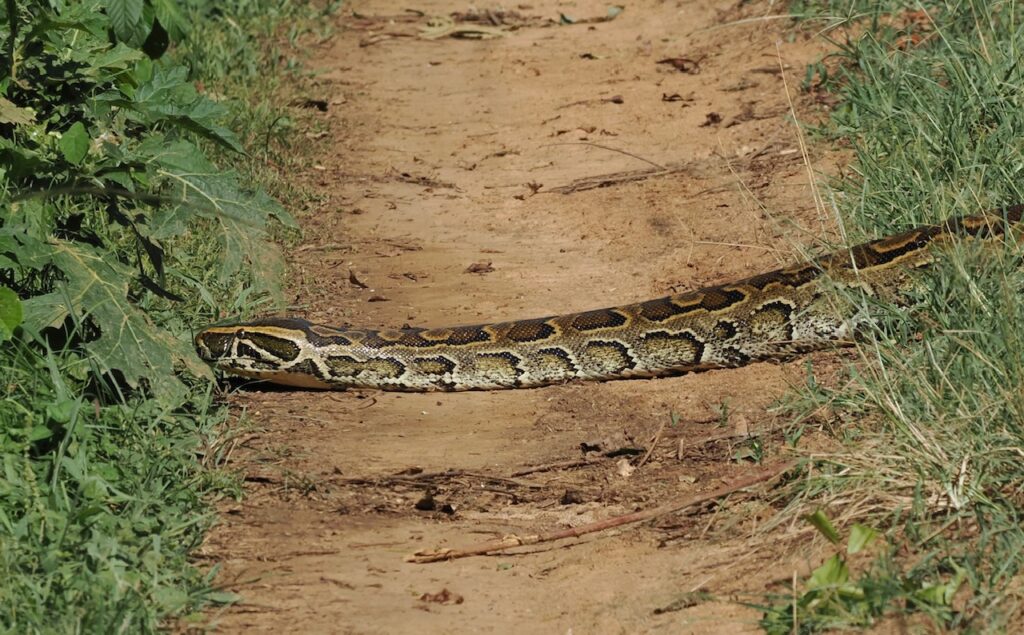
… and shortly afterwards, a fully grown rock python crosses the track in front of us. It is huge. Easily 20ft long if not more. Its markings are beautiful. Our guide is crazy. He gets out of the vehicle and follows it into the bushes to try to capture some good video. This he achieves but it seems like a bit of a risky enterprise to me!

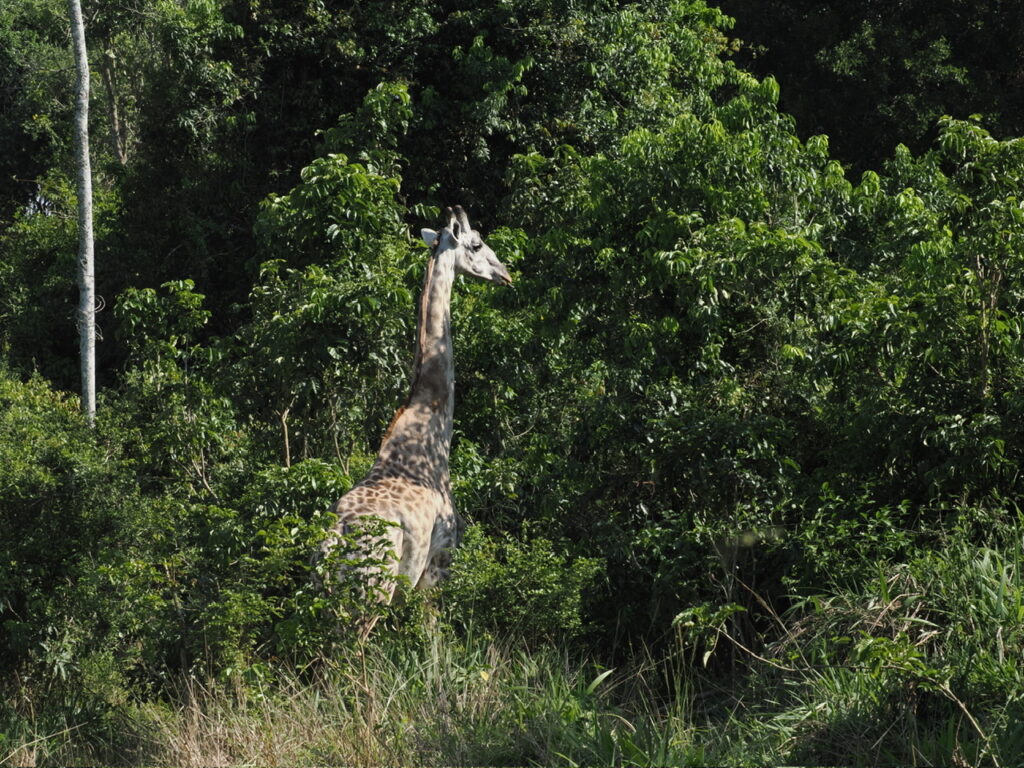
A hippo grazes by the side of the track and a giraffe pops its head out of the greenery.

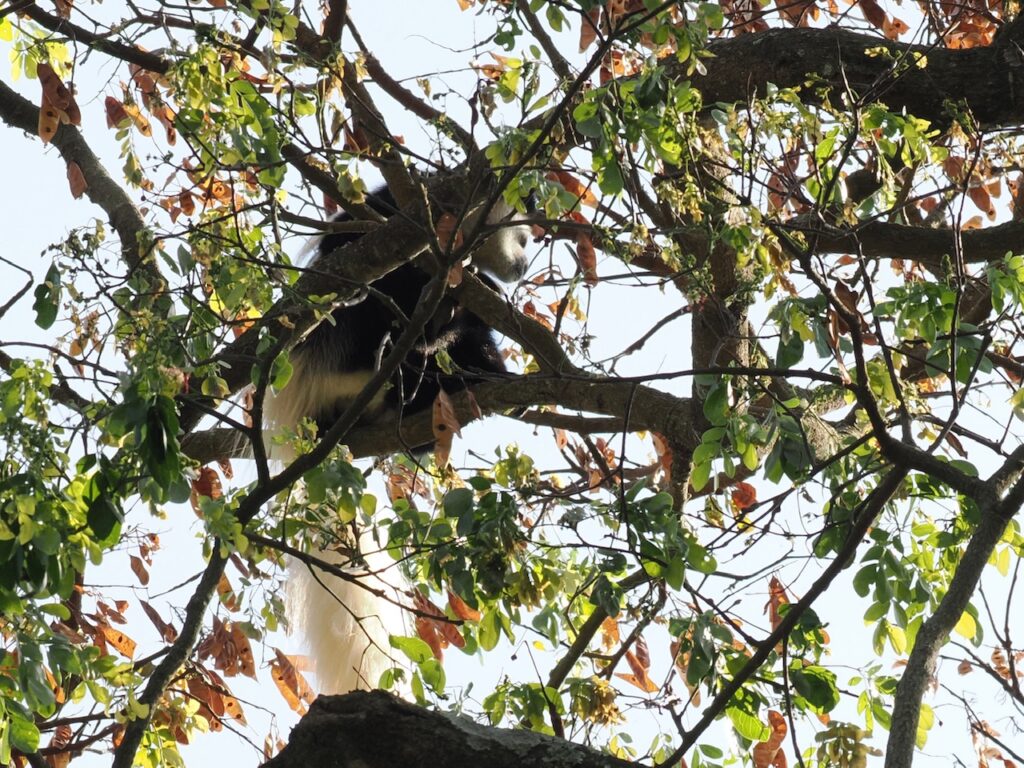
We were also very lucky to encounter a troop of colobus monkeys. They are however rather shy and taking any type of picture was difficult.

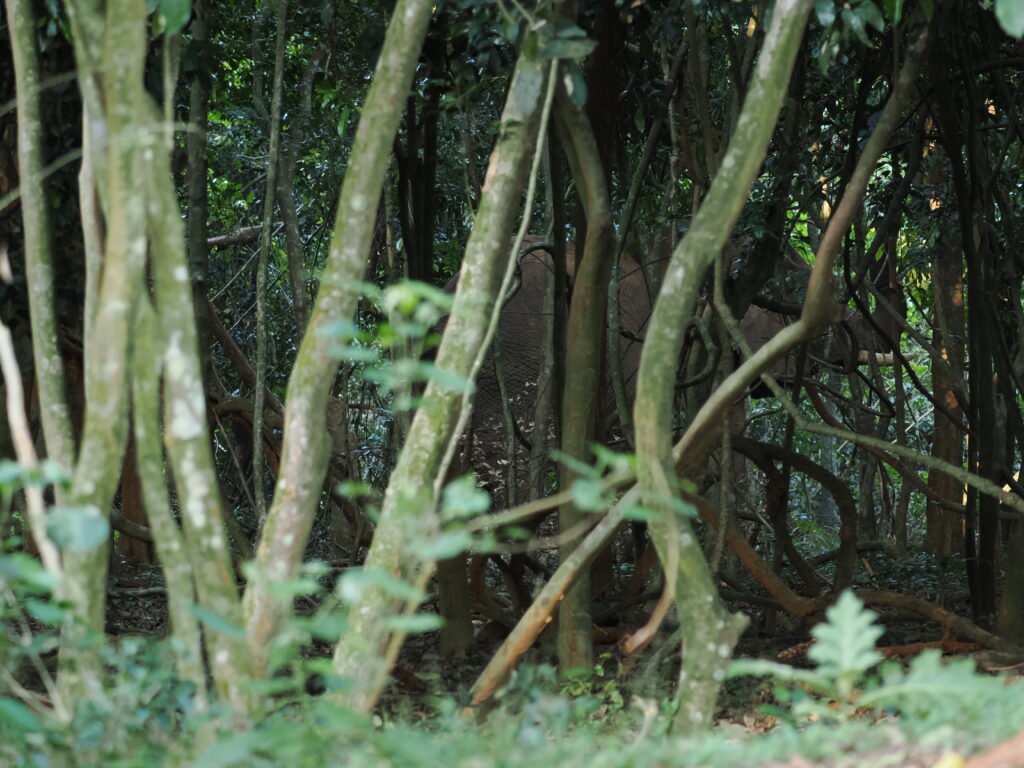
We also manage to catch a glimpse of two forest elephants as we drive along the track. It amazes me that they can find a path through such dense forest.

The gentle drive was followed by sundowners which were setup on the bay where we stopped on our first night.

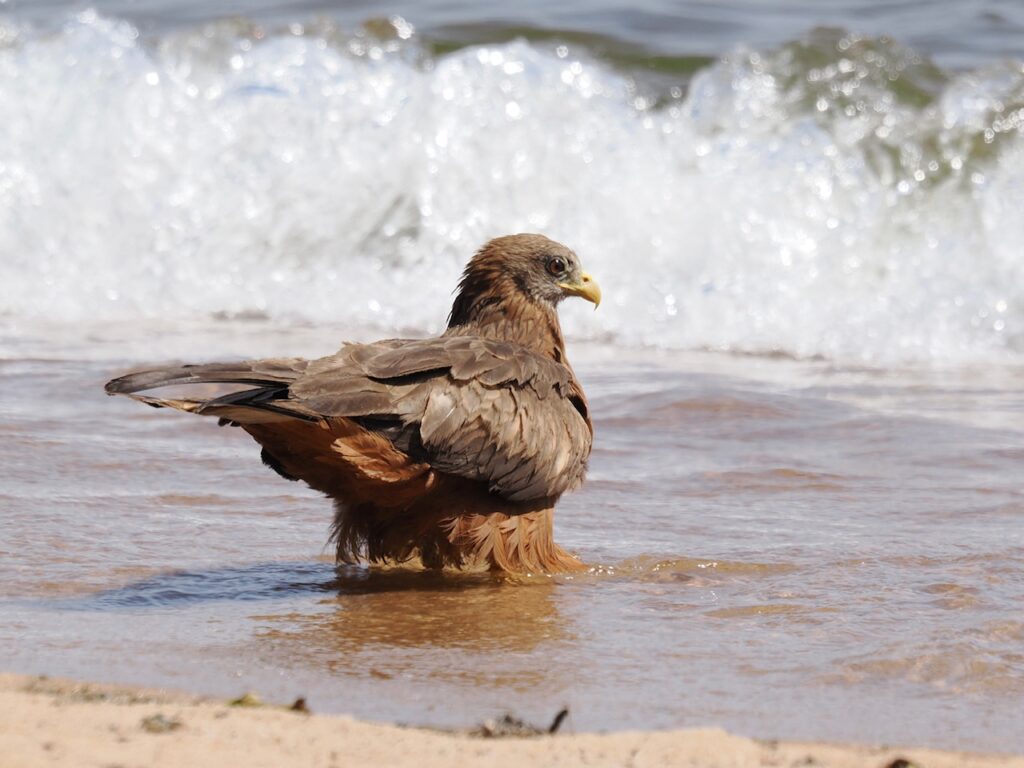
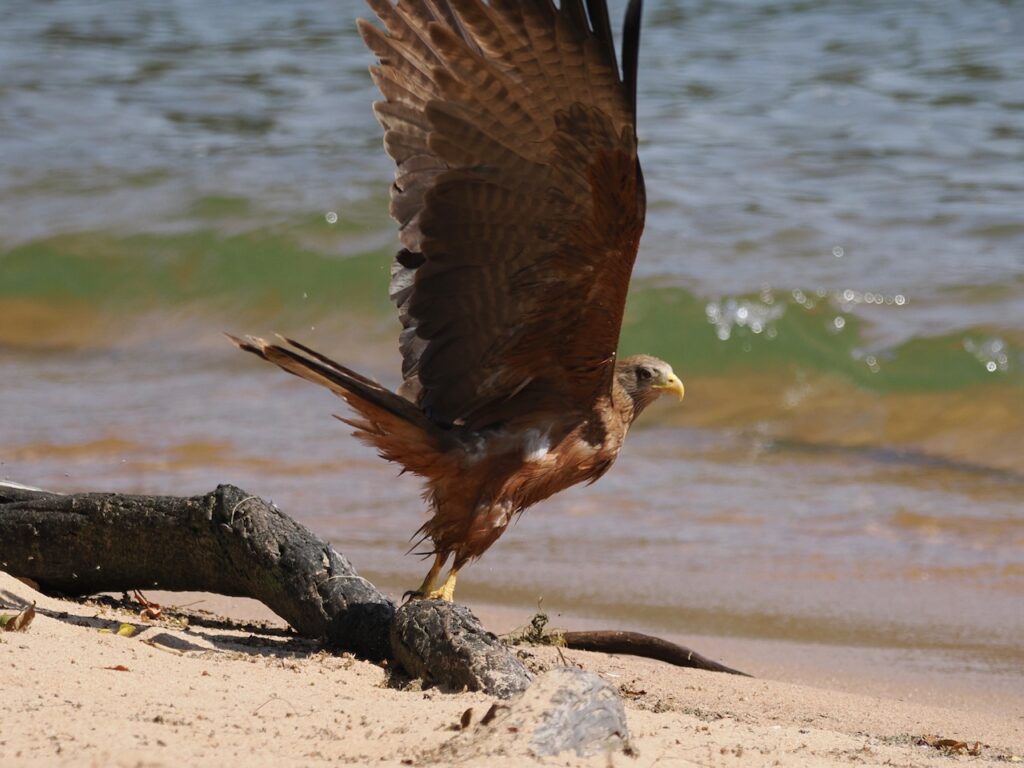
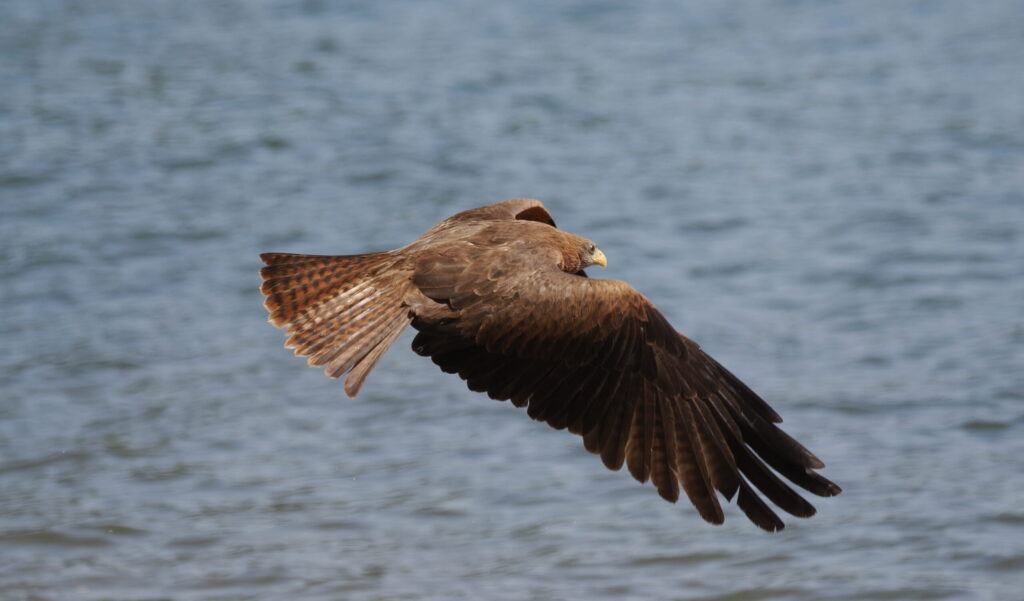
On our final morning we opt to take it easy. Just sitting on our verandah and imprinting this beautiful location in our memories is idyllic. There a lots of red kites here and they like to wash on the shoreline. Of course I cannot resist a few parting photos!

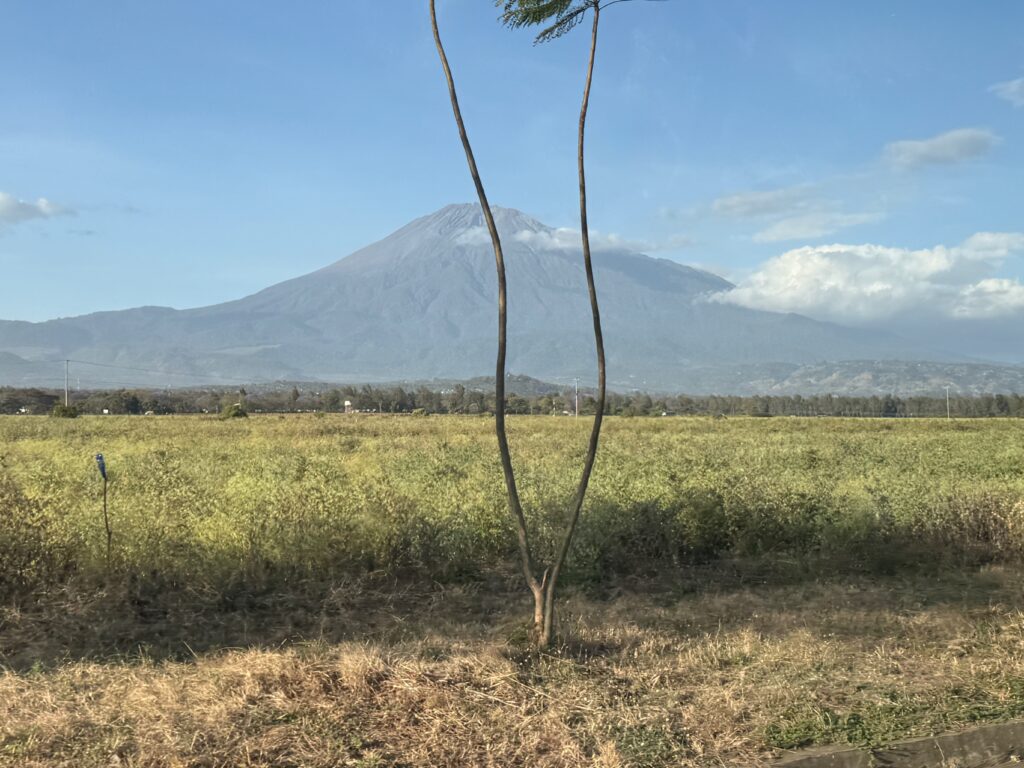
We say goodbye to Rubondu and take the short flight to Arusha where we shall transfer to Rivertrees Inn before our flight back to the UK. On the drive from the airport to Rivertrees, we have a good view of Mt Meru, which for once is not shrouded in cloud.

Serengeti Mara

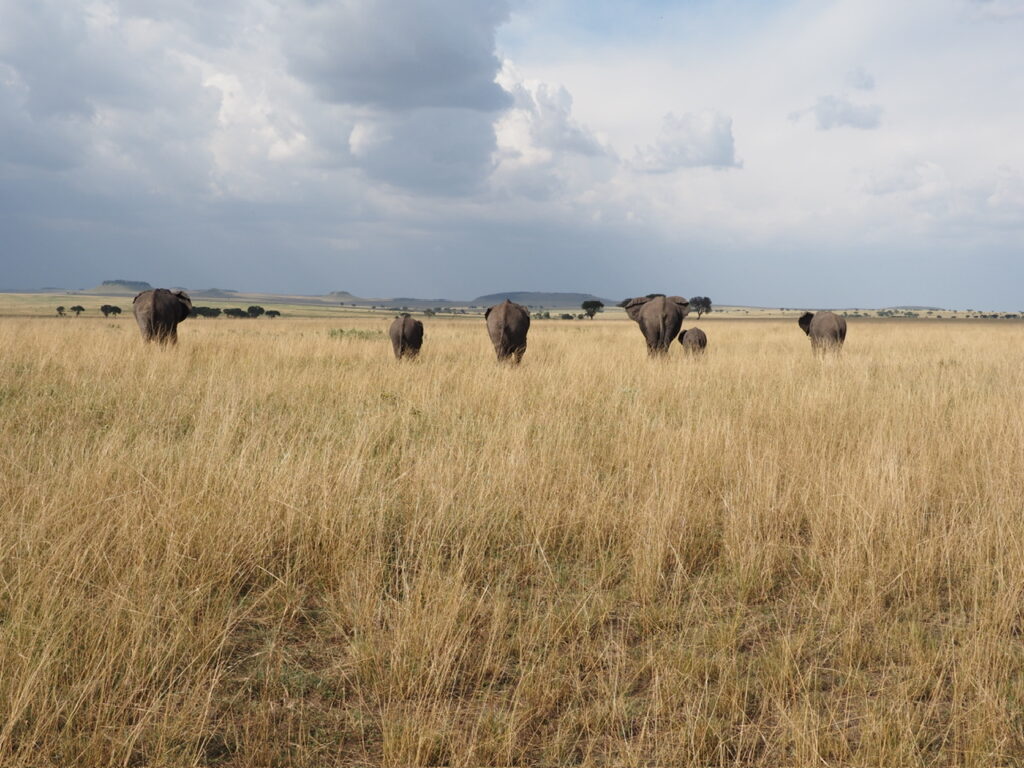
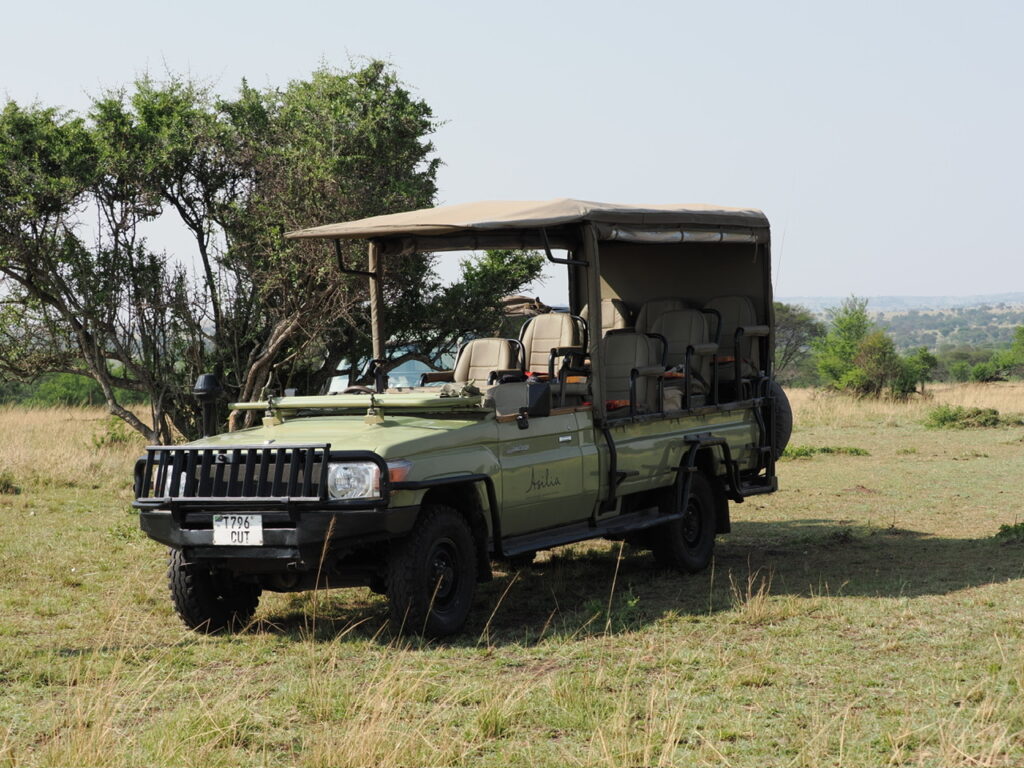
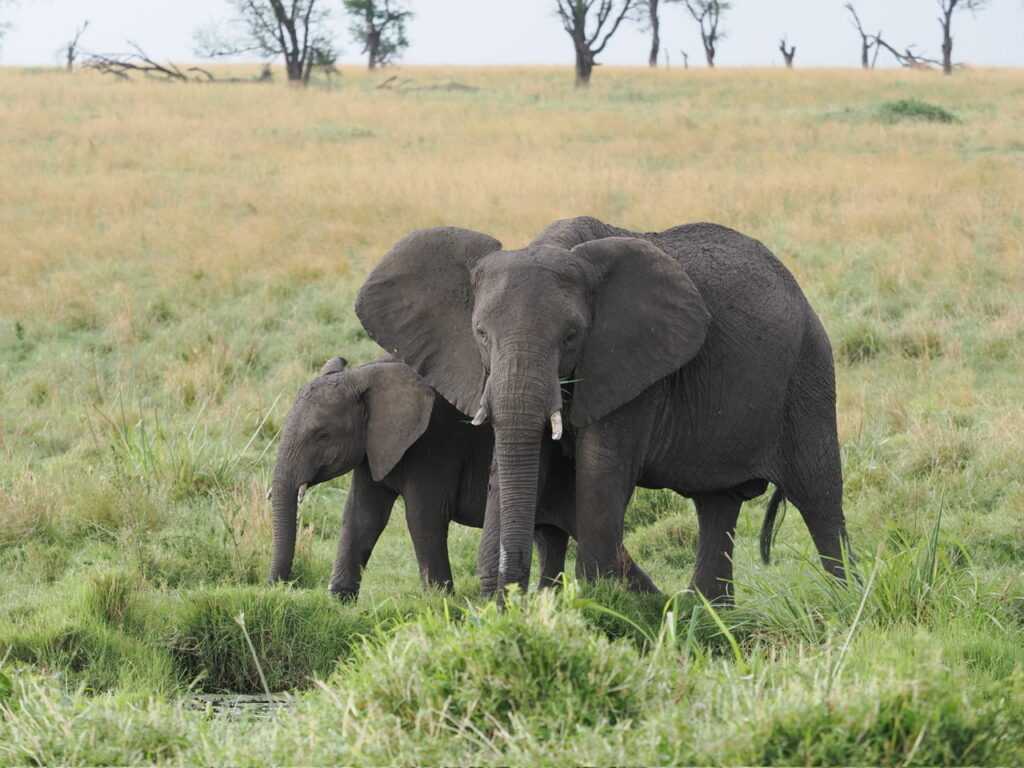
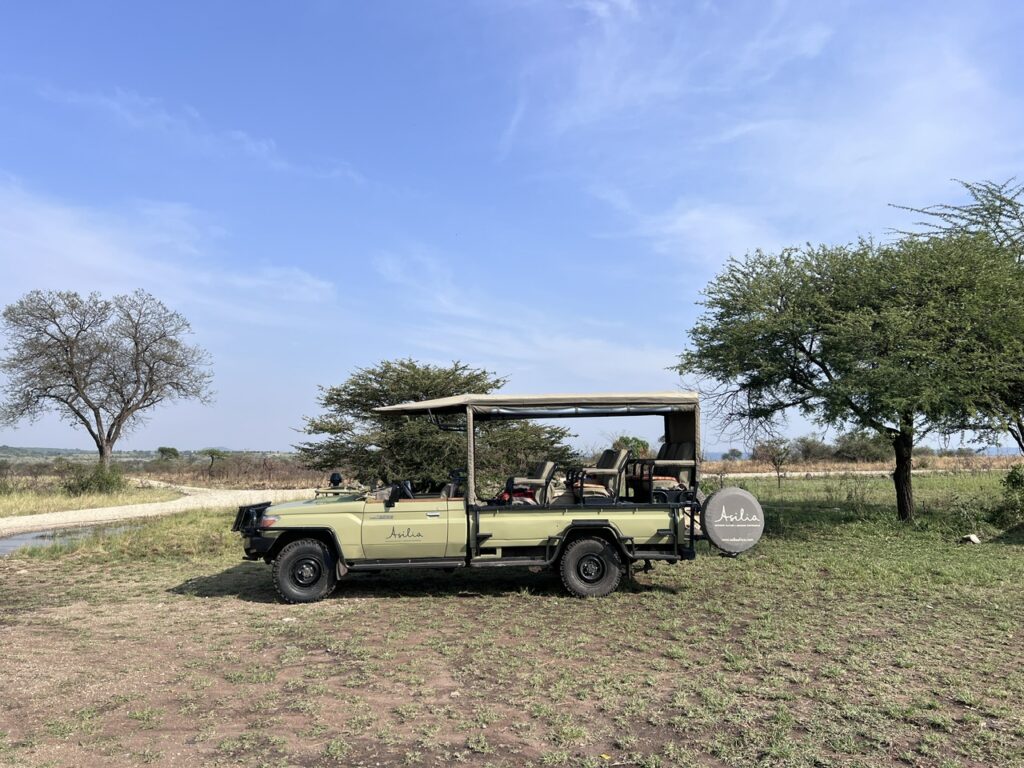
We say goodbye to Bwindi and look forward to a long day of travel. An hour and a half drive to Kigali where we fly to Entebbe. There we are escorted through the airport to our connecting bush flight to Lamai airstrip. Being assisted was great. We are whisked through the airport and would have definitely found it hard to negotiate on our own. The only delay was clearing passport control and shortly thereafter we are on our way for the 45 minute flight to Lamai. There we are met by the camp staff and driven to Ubuntu. It is now 14.30 and we have not eaten since 07.00 and are pretty hungry. The camp should really have brought us some form of lunch, which has always been the case on previous trips to Asilia Camps. En route we encounter lots of game but in particular two lions mating and a large herd of elephants sauntering over the plains.

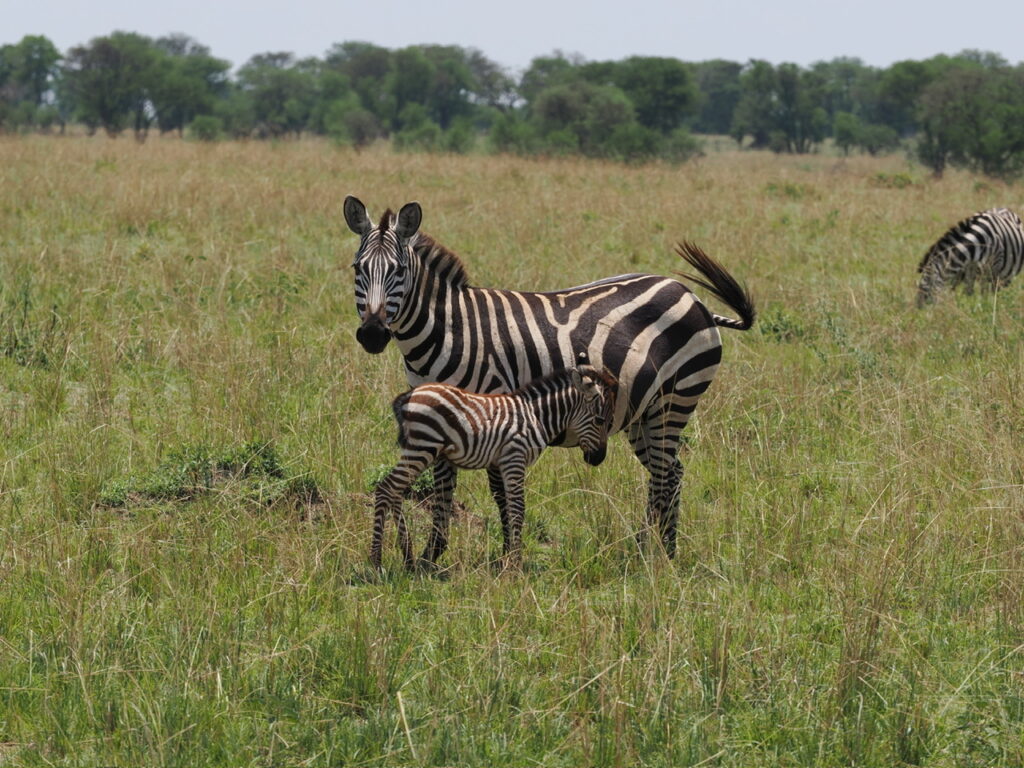
When we arrive in camp at 16.00 late lunch is waiting for us. It is very good indeed and we watch the elephants that we saw earlier grazing on the hillside as well as warthogs and zebra.

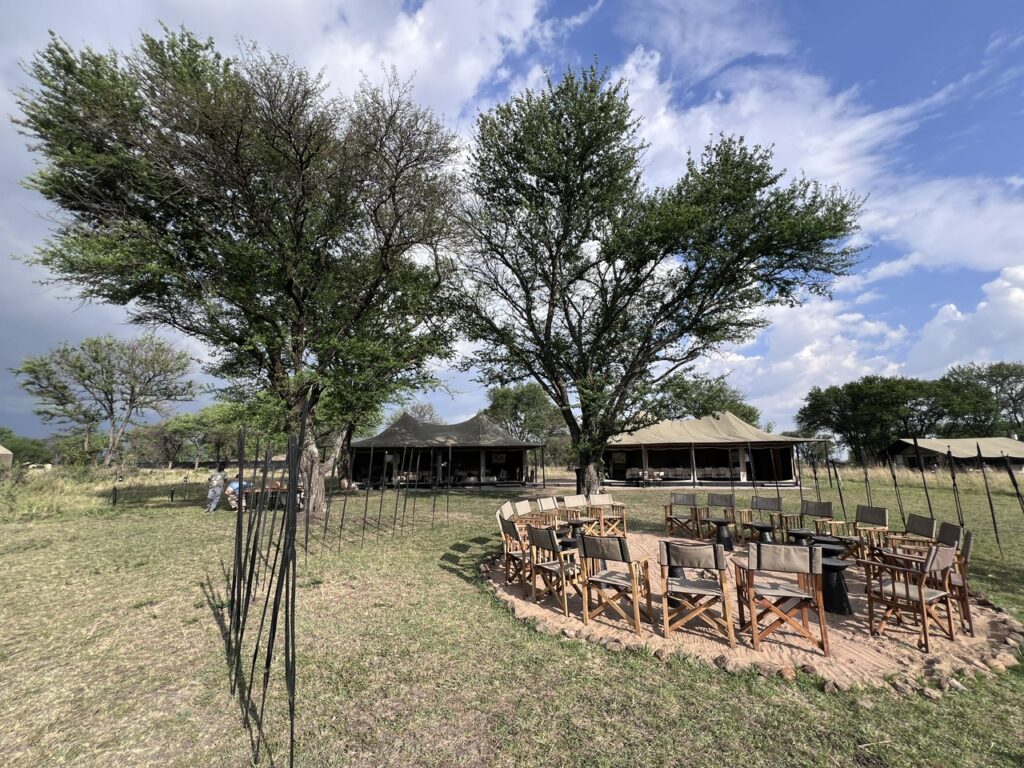
Black clouds gather in the distance and the wind gets up. This is shortly followed by a torrential downpour that lasts well into the evening. Dinner is therefore under canvas on a communal table. Conversation is easy.

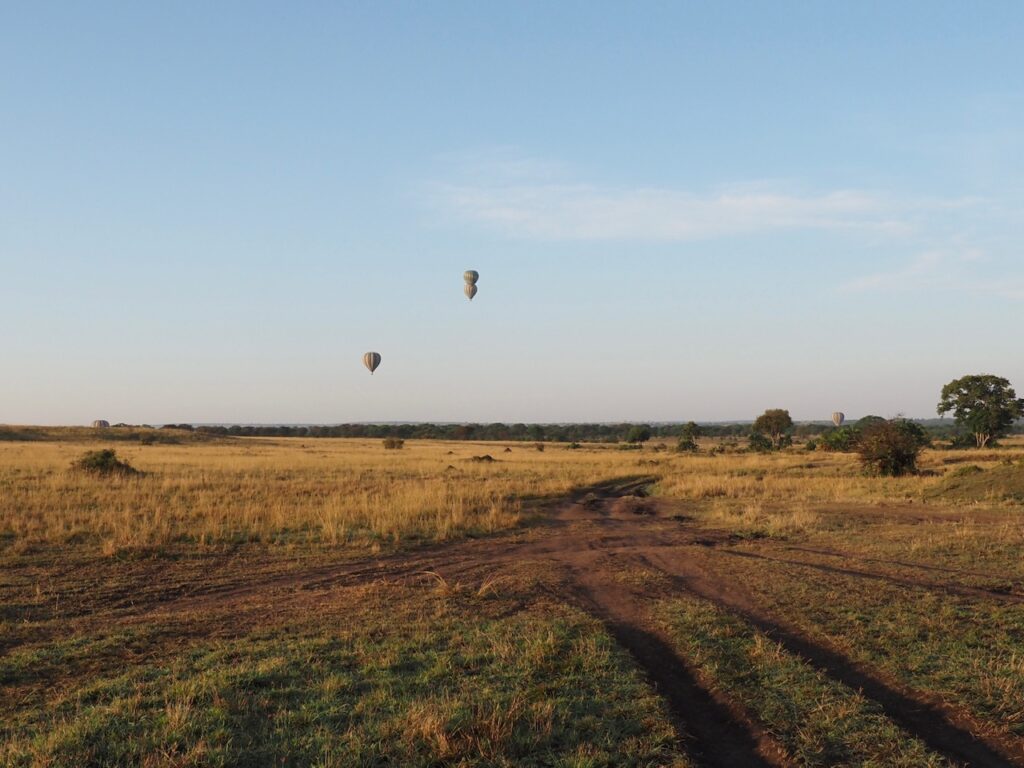
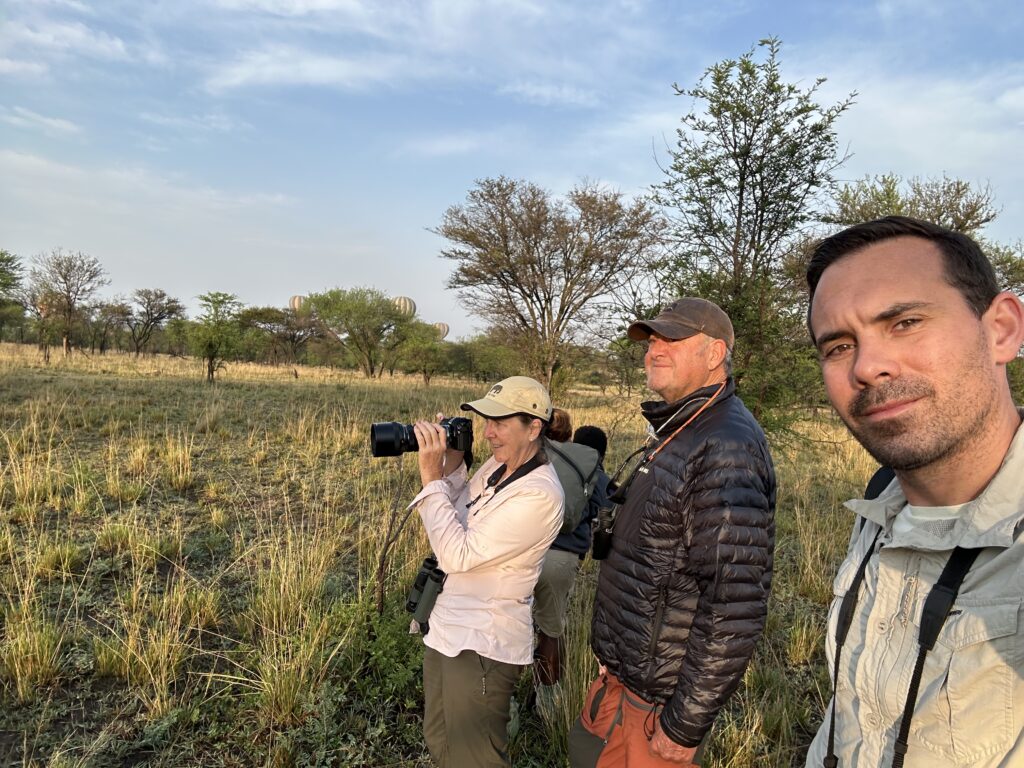
Next day the storm has passed and we breakfast at 06.00 and leave at 06.30 for our first drive. We make our way to the river seeing so much on the way…

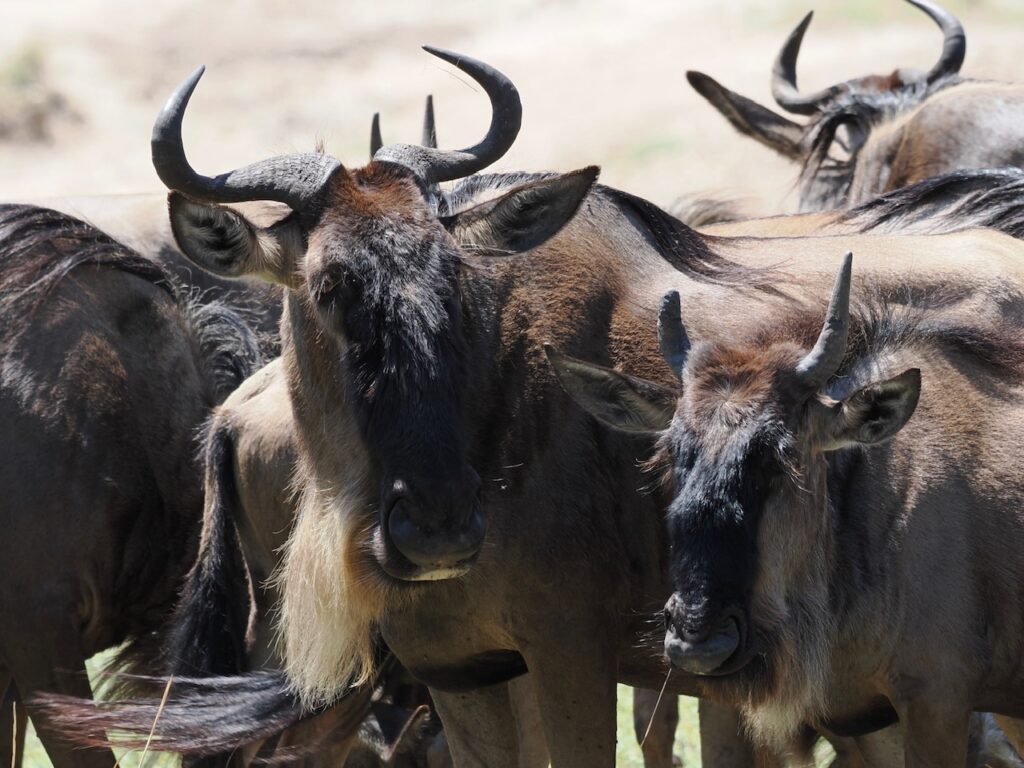
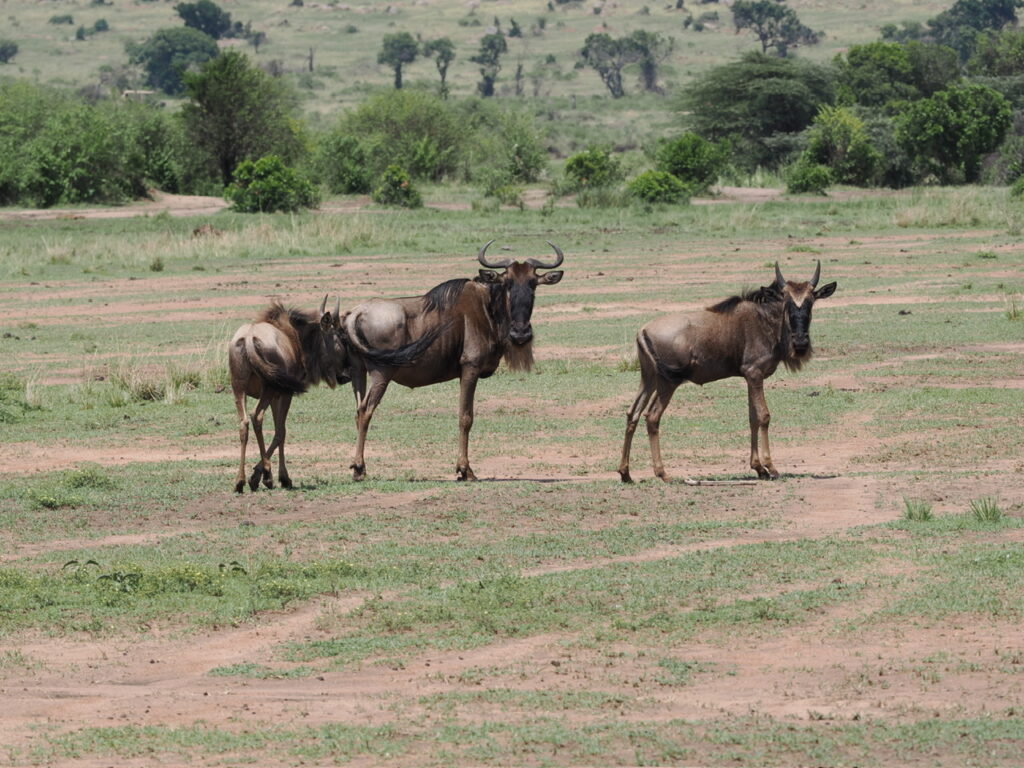
There are lots of wildebeest accumulating but not enough numbers to entice any crossings today.

There is so much life on the plains this morning. Every second brings something new to watch.

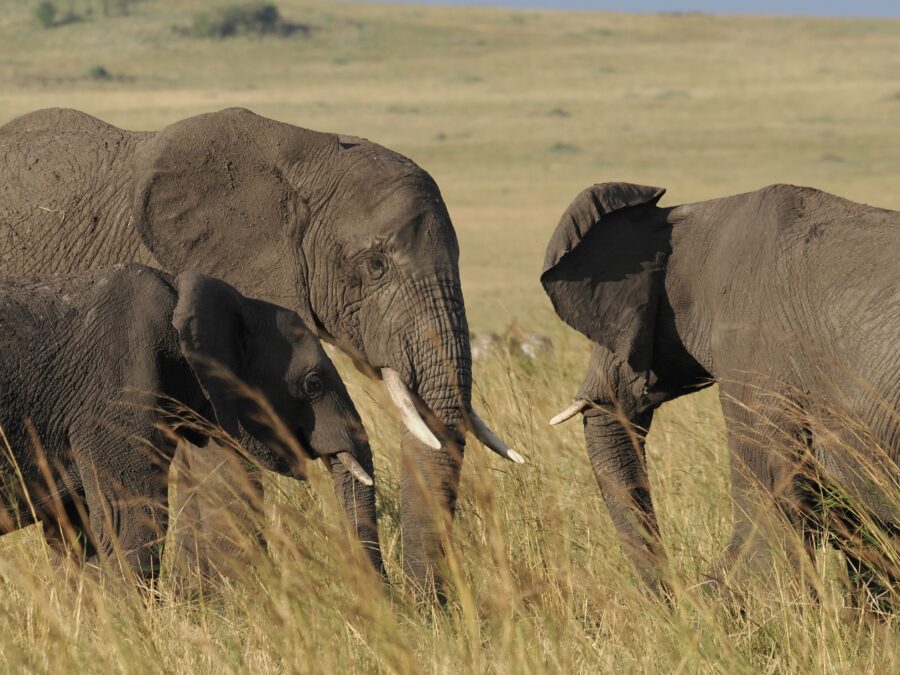
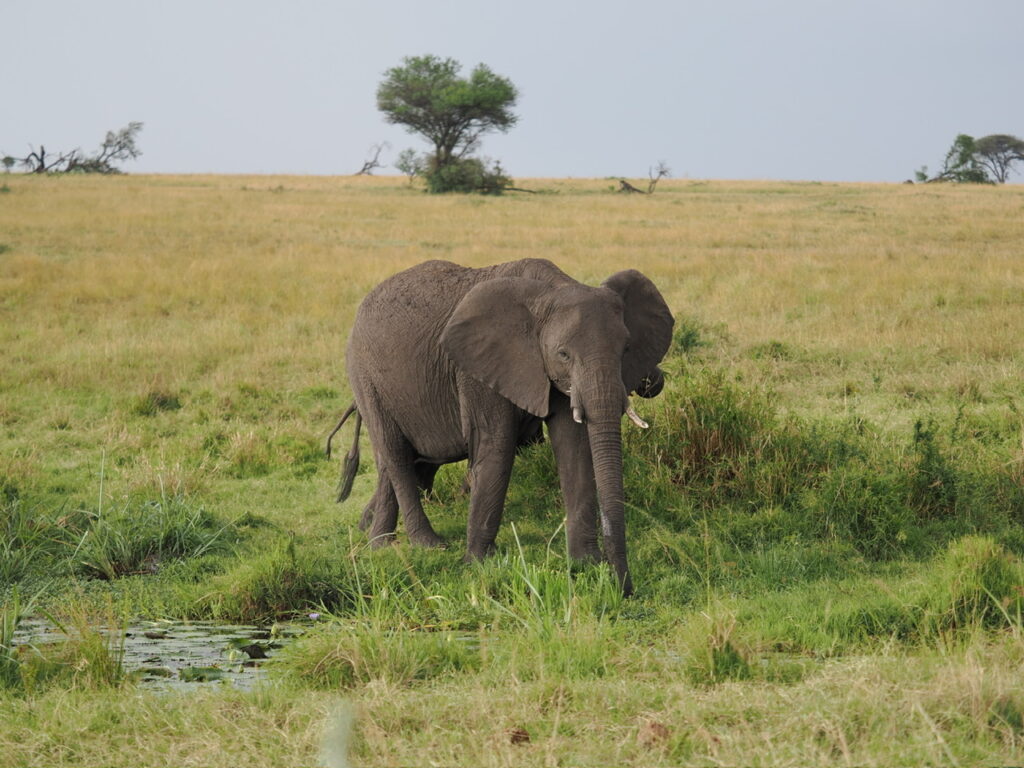
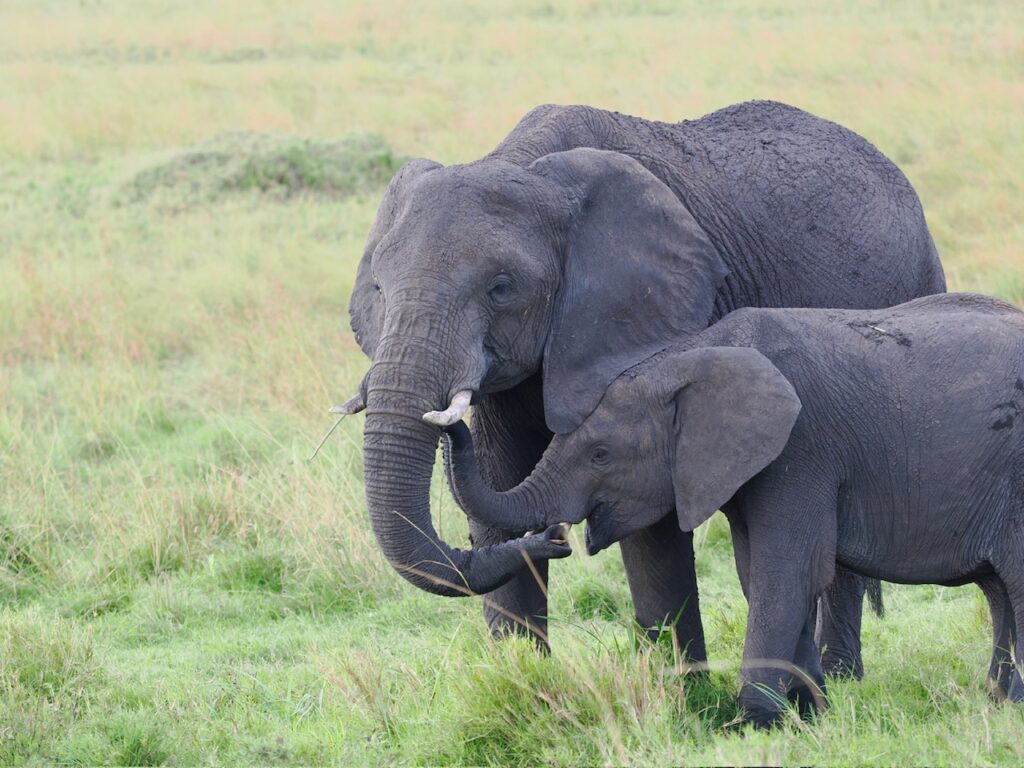
In the afternoon we head towards the Kenyan border and spend a wonderful hour with the elephants. Magical!

A secretary bird stalks through the tall grass looking for insects and small reptiles and an assortment of grazers are dotted across the landscape including topi, hartebeest and eland.

On our way back we comment that the area we are in is perfect for leopards. Hey Presto! A leopard appears…

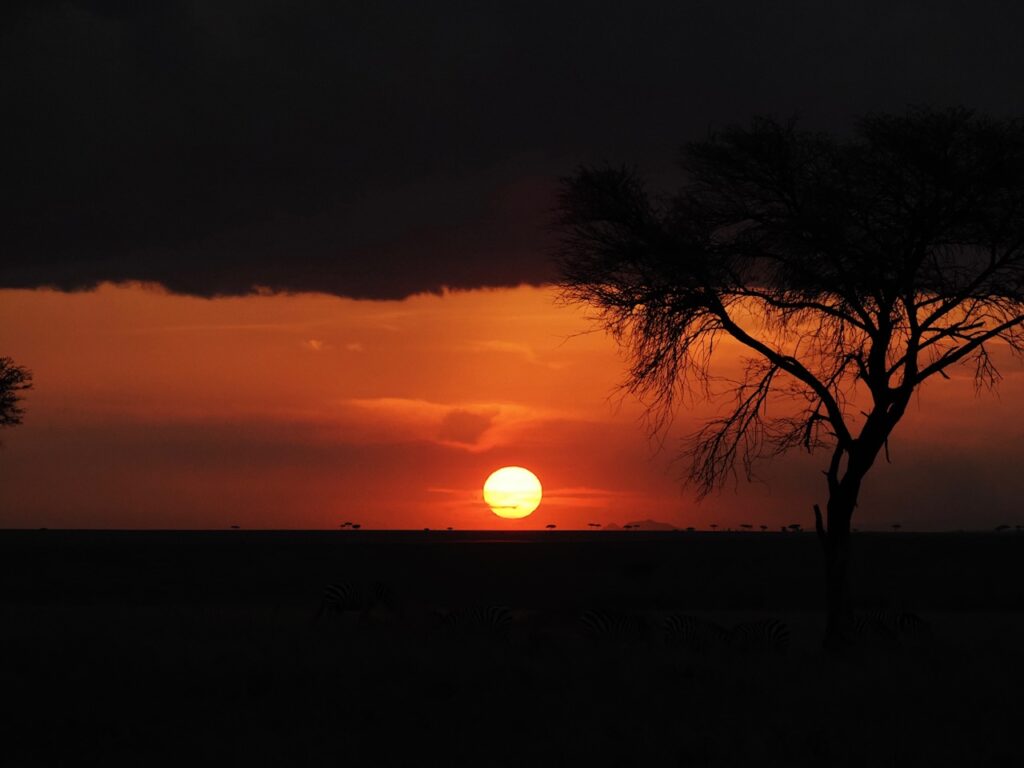
…as does a rather lovely sunset. Pre-dinner drinks are served and enjoyed by the bush fire.

Next day features lots of lions plus cubs in rather long grass, which makes photography challenging but nevertheless cute and delightful to watch.

One lioness is rather more obliging and poses on a termite mound.

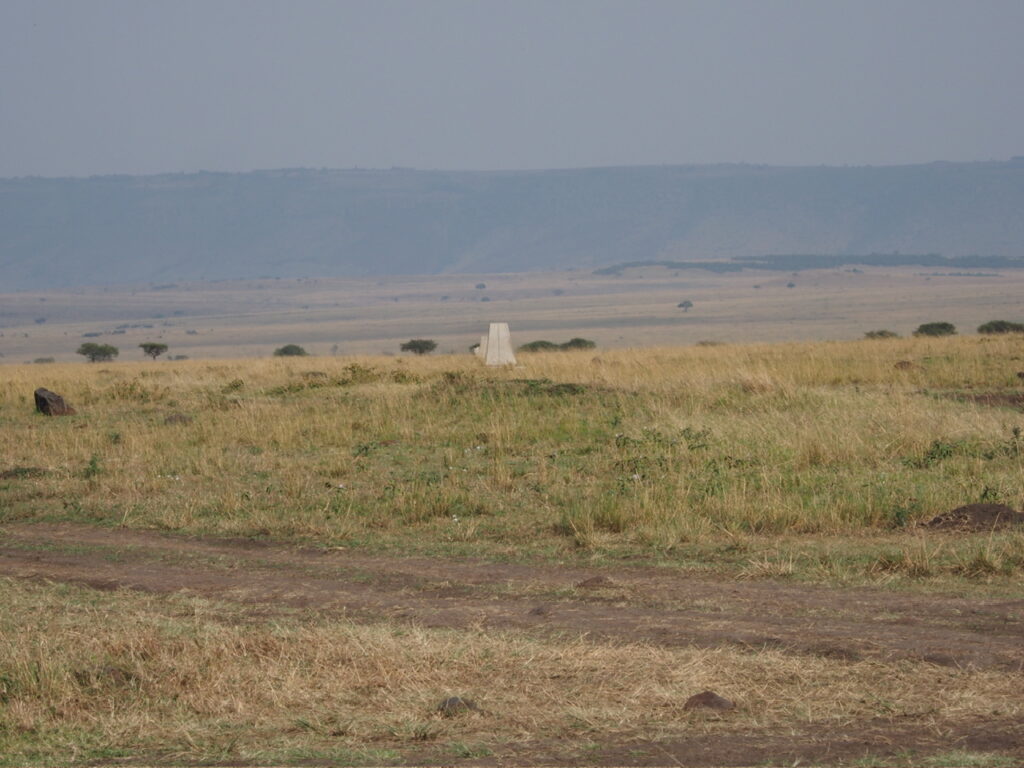
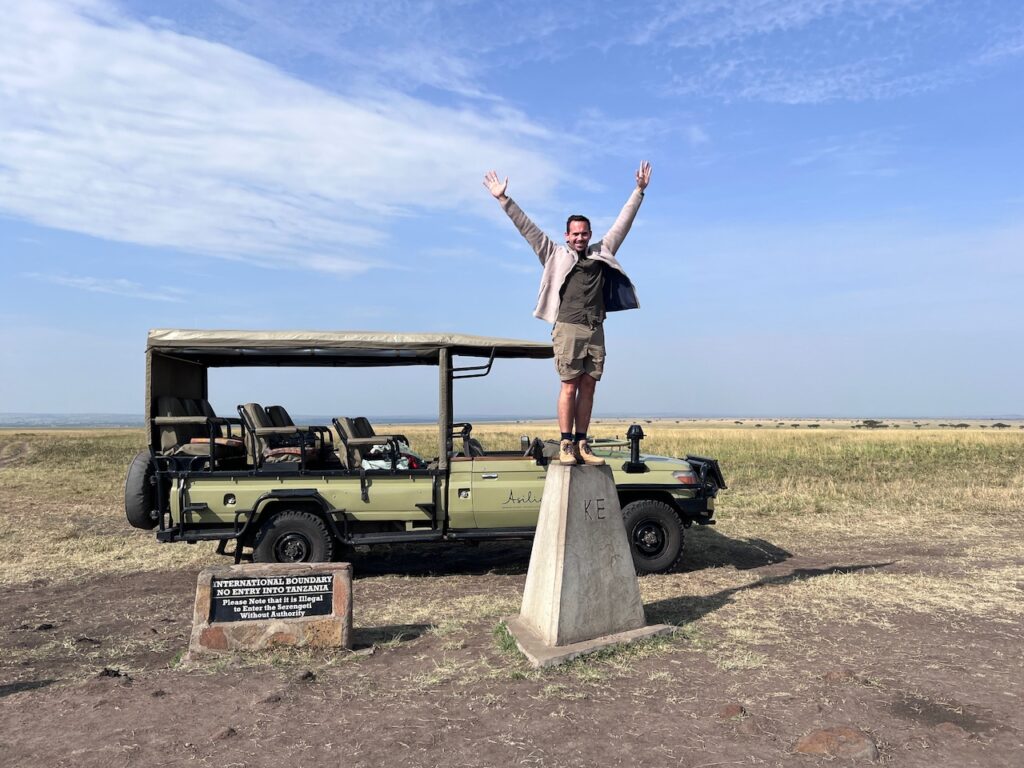
We visit and take photos at the Tanzania/Kenya border, which is no more than a line of small white marker obelisks.

We drive at leisurely pace just happy to see whatever presents itself. Vultures feast on a carcass and a family of banded mongoose provide some amusing entertainment.

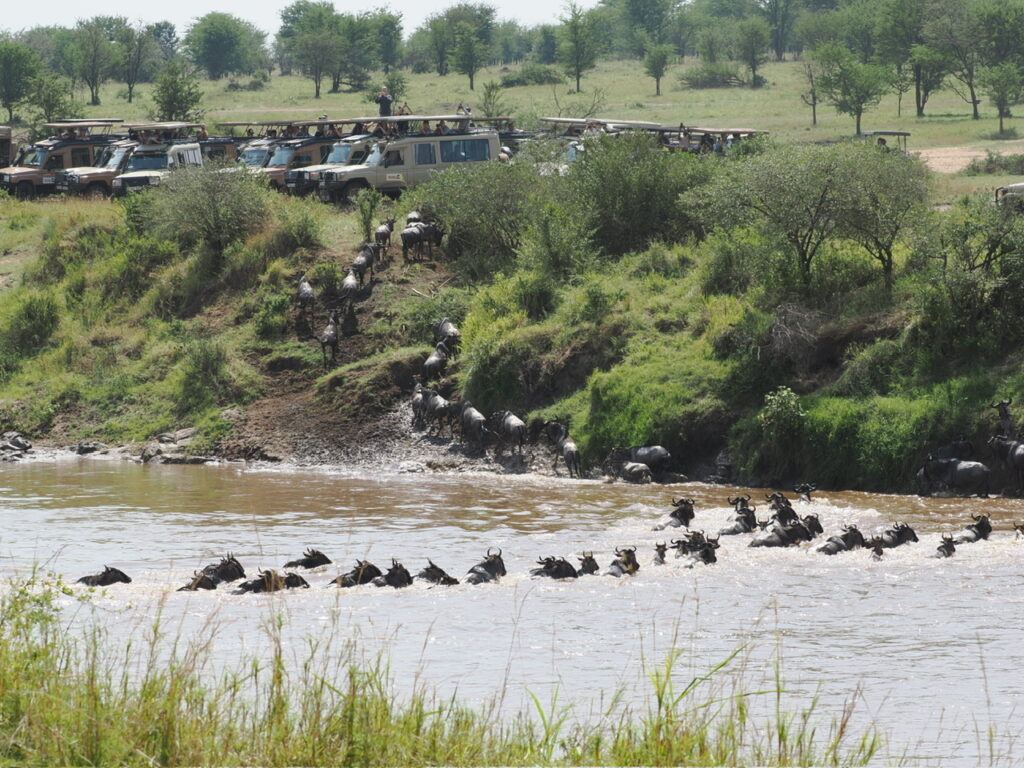
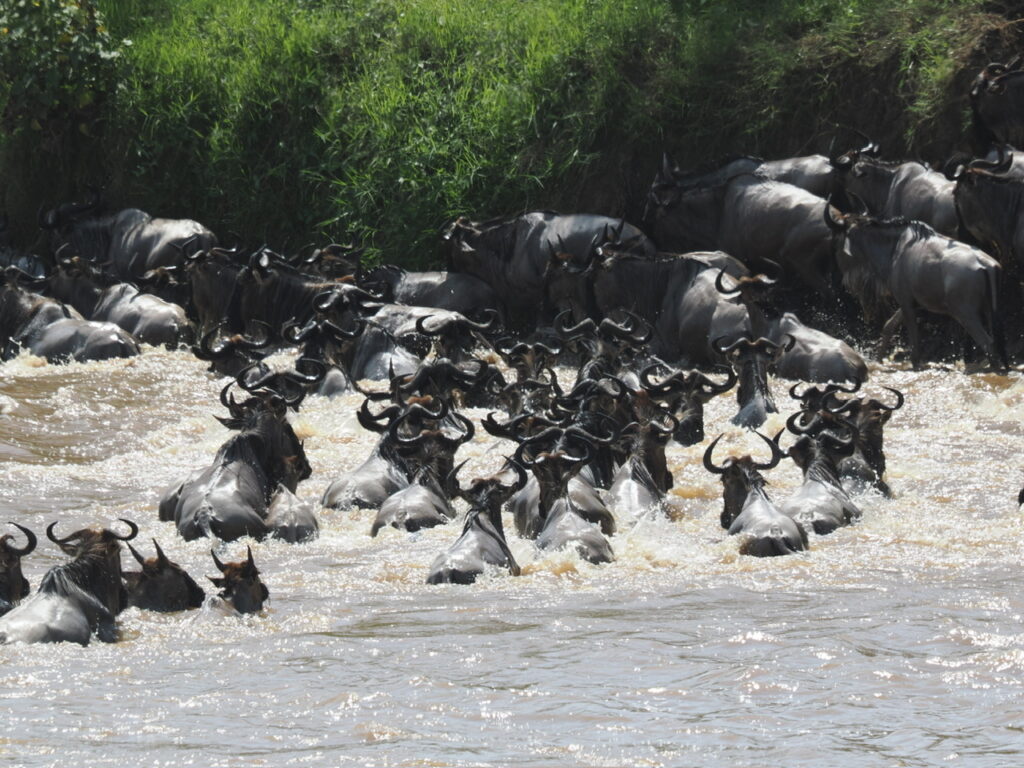
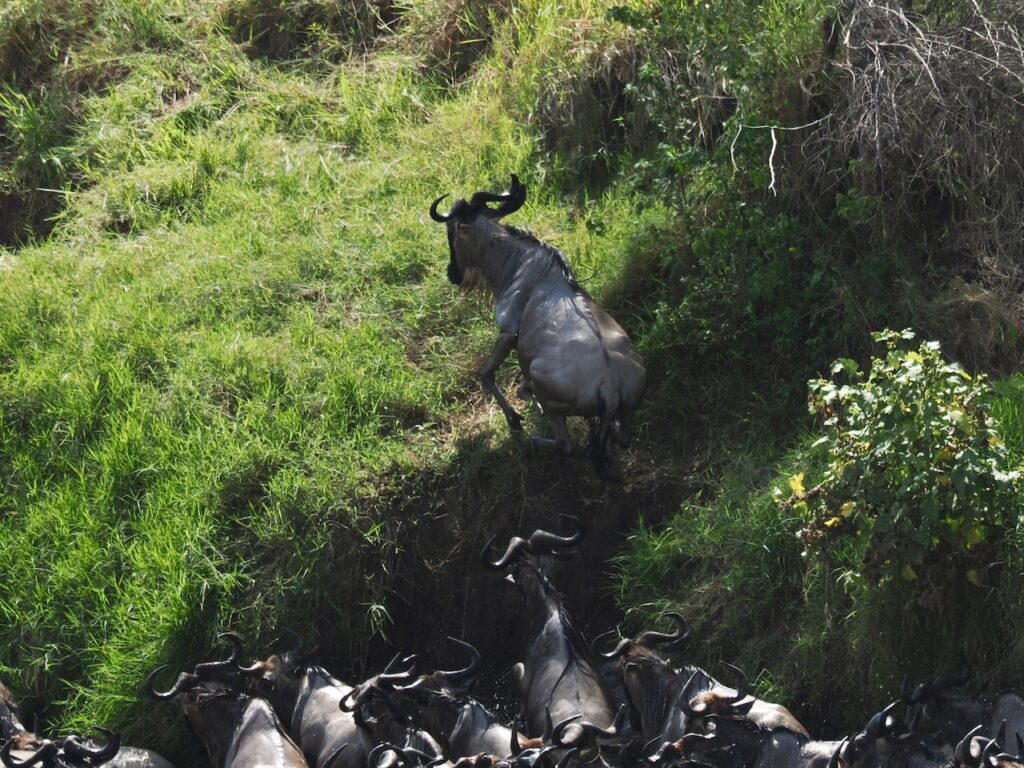
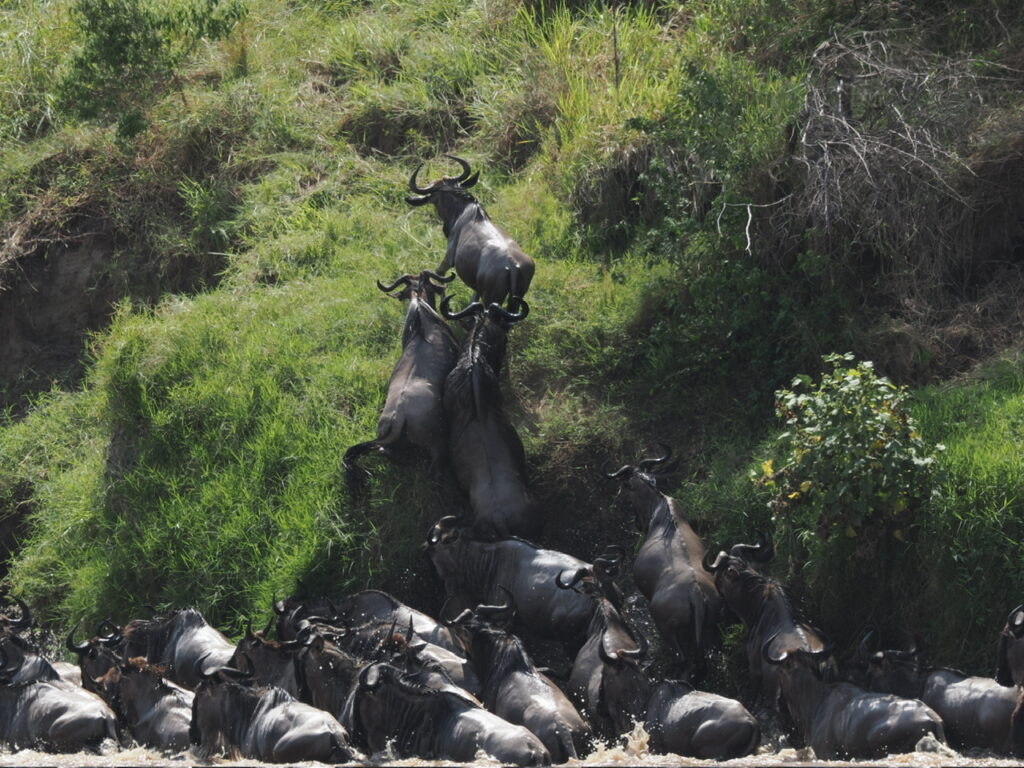
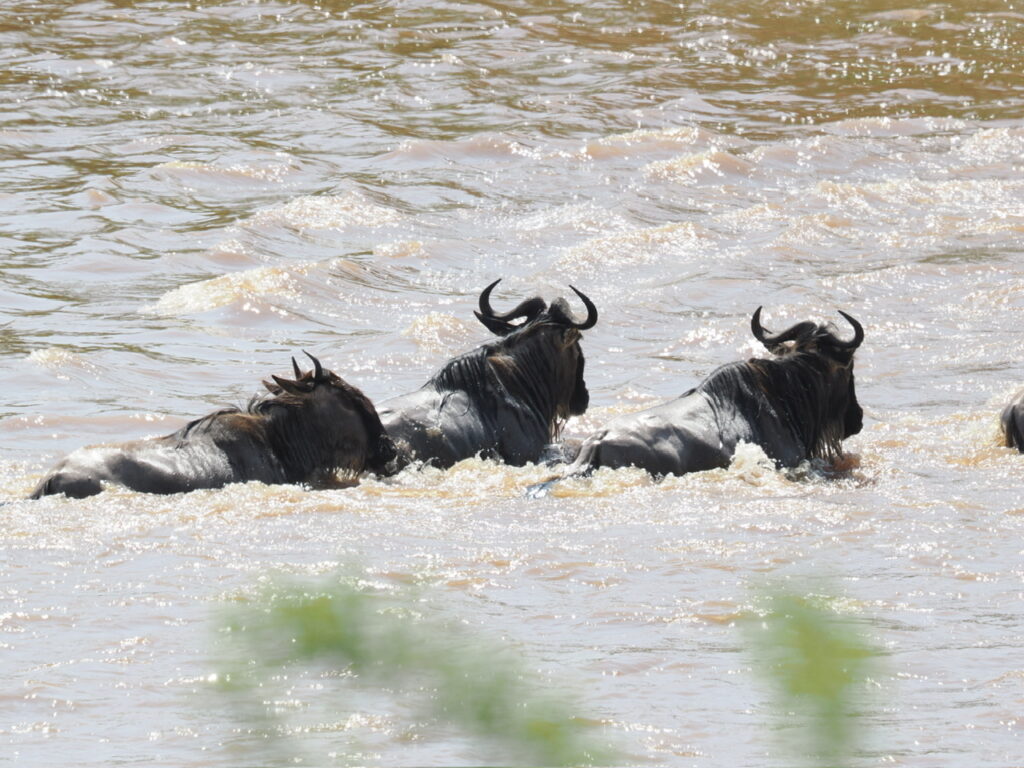
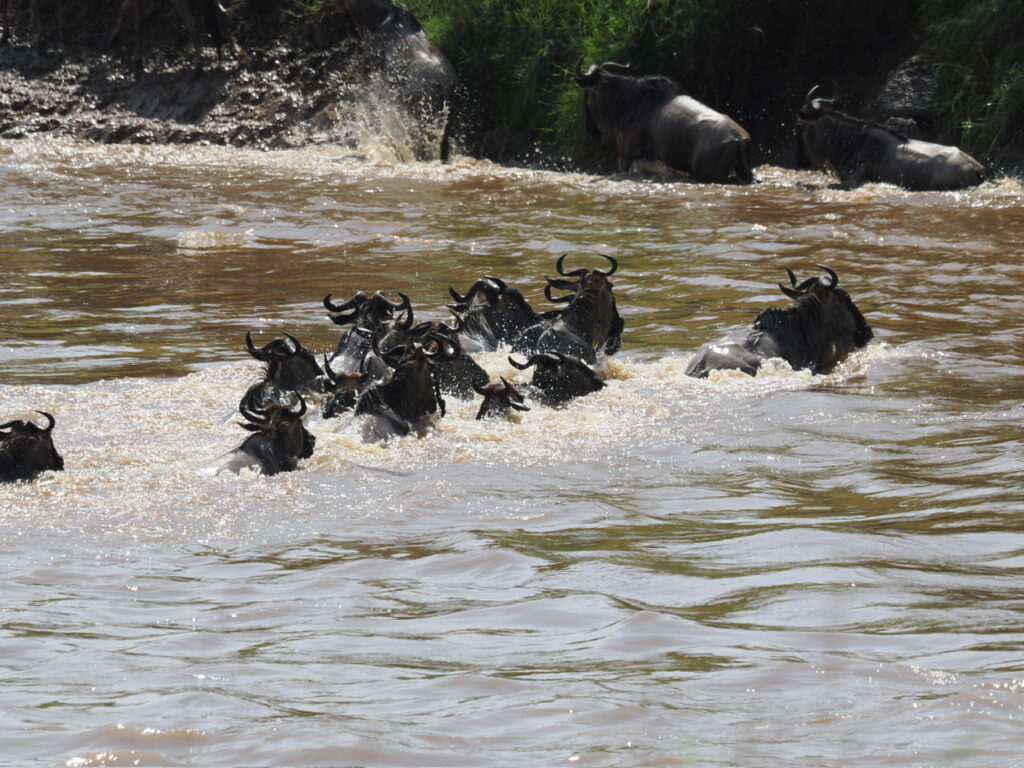
We watch an unexpected wildebeest crossing. It is disturbing to see the number of vehicles on the far bank. They are parked ridiculously close to the river and packed in like sardines, making an exit for the wildebeest from the Mara crossing nigh on impossible. The authorities need to regulate the number of vehicles. This is the most crowded I have ever seen a crossing and I can only be grateful that I am on the opposite bank with only a handful of vehicles and not the hundred or so that I can see across the river.

We leave the river and make our way back to camp. Then for me is the ‘piece de resistance’ – two leopards. A male up in a tree and a female down below. They are in mating mode, although we do not see that interaction.

The cloud builds again and the heavens open. It absolutely pours down whilst we are having our afternoon siesta and proceeds to pelt on the evening game drive. It is absolutely ghastly. We wear ponchos but the rain gets in everywhere. Down the sleeves and onto my seat. It is windy too. We go to find the lioness and cubs. Wisely, they are hunkered down and are not moving. Nothing is happening apart from us getting wet, cold and miserable. A hot shower back at camp is most welcome.
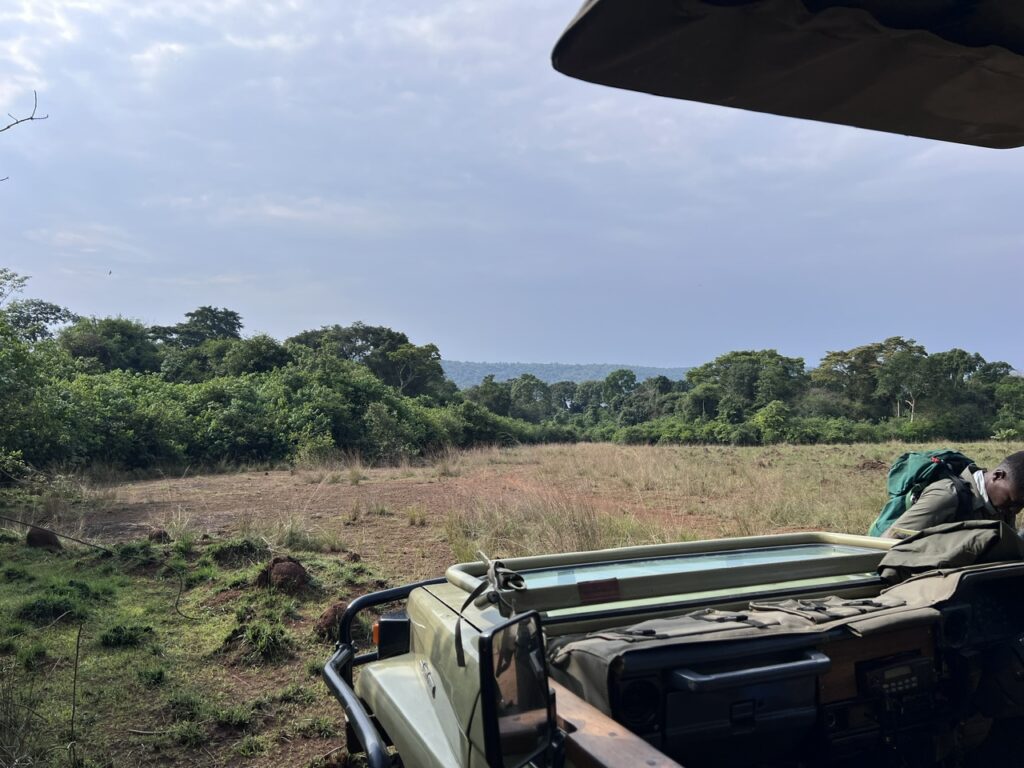
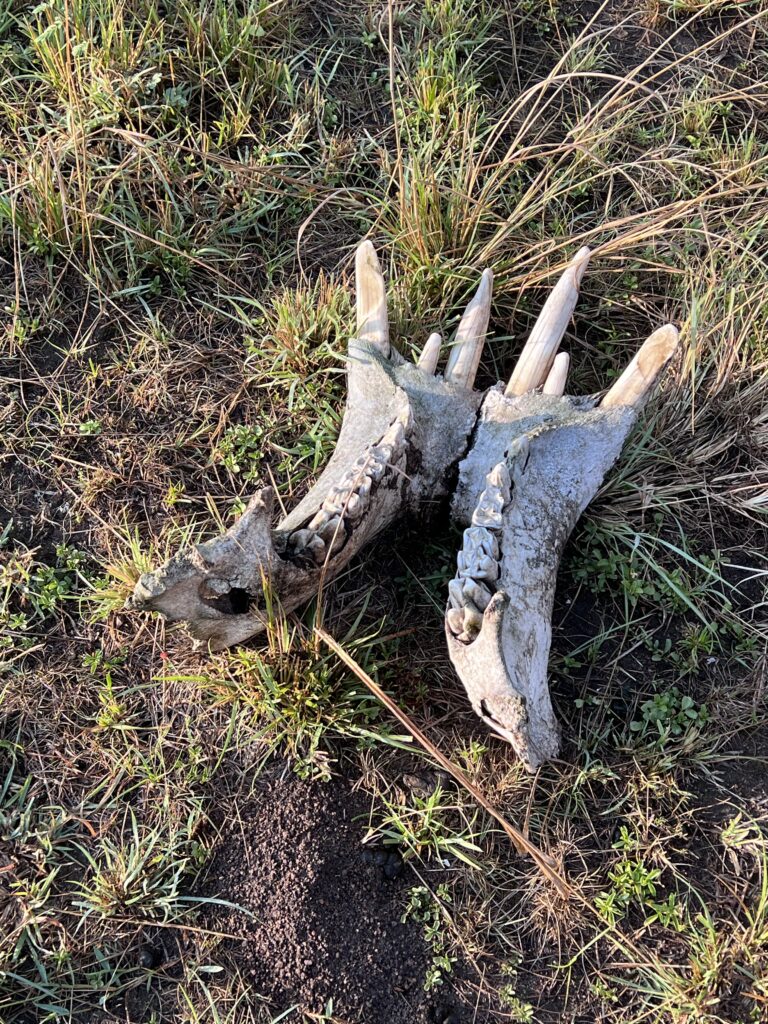
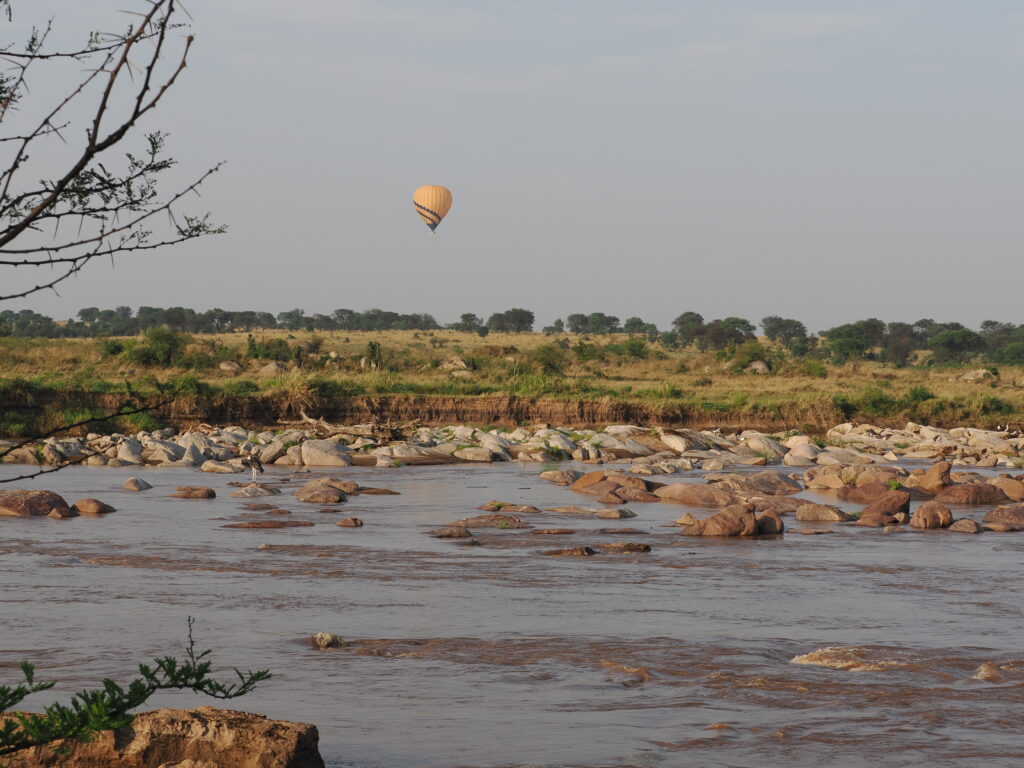
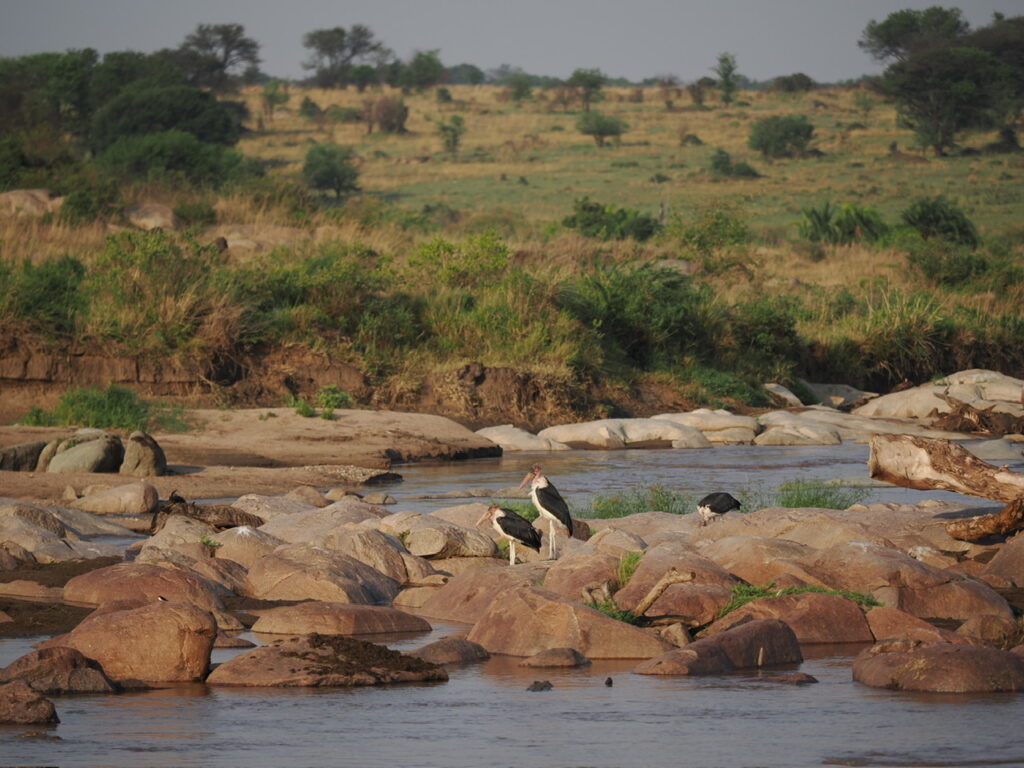
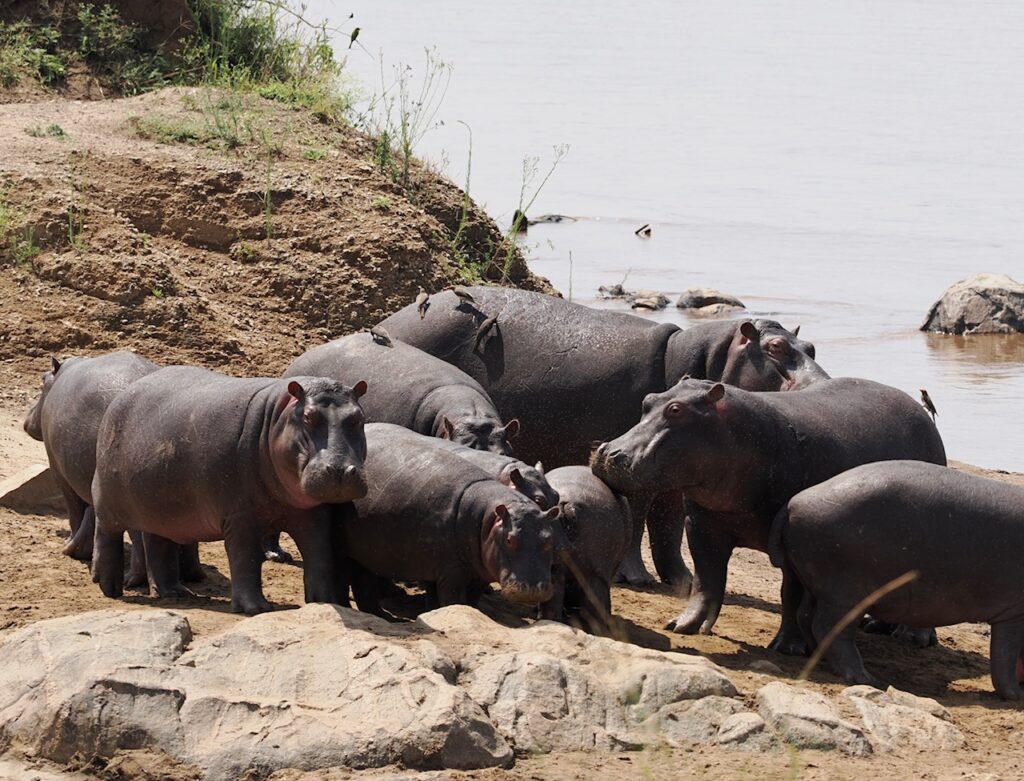
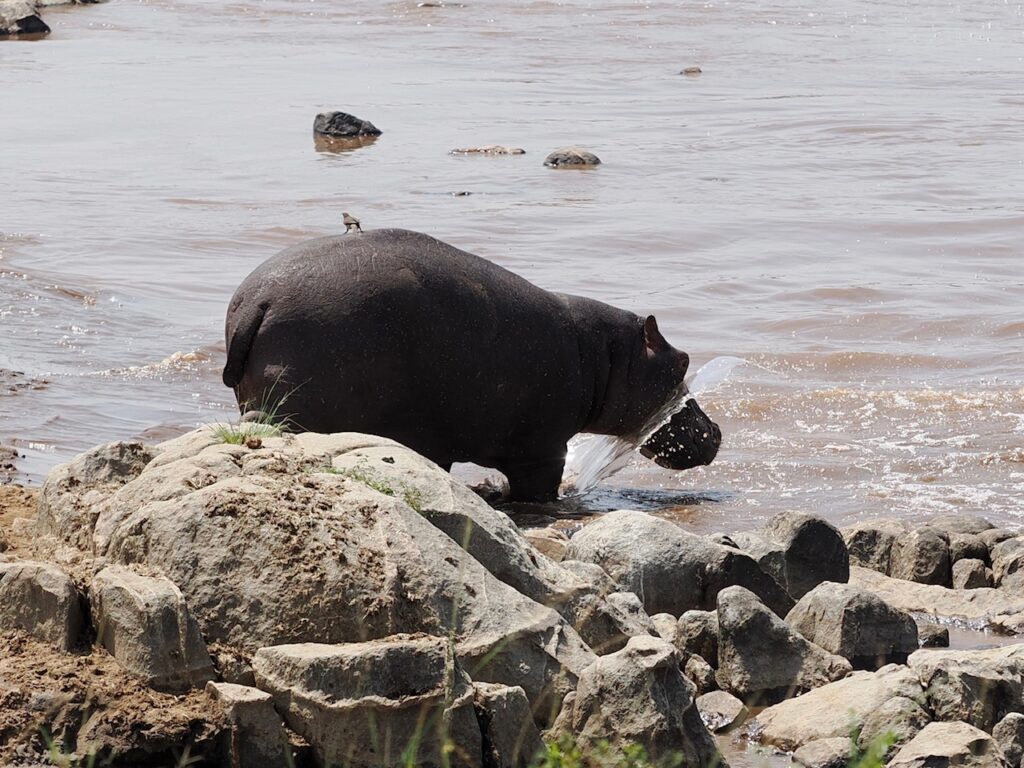
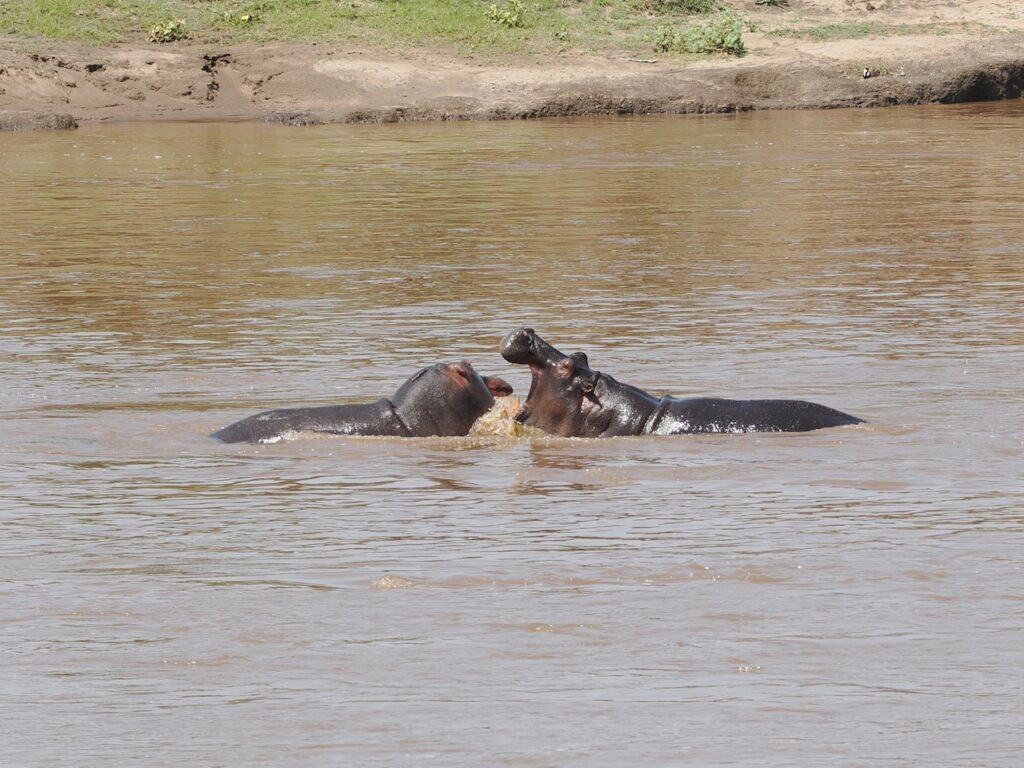
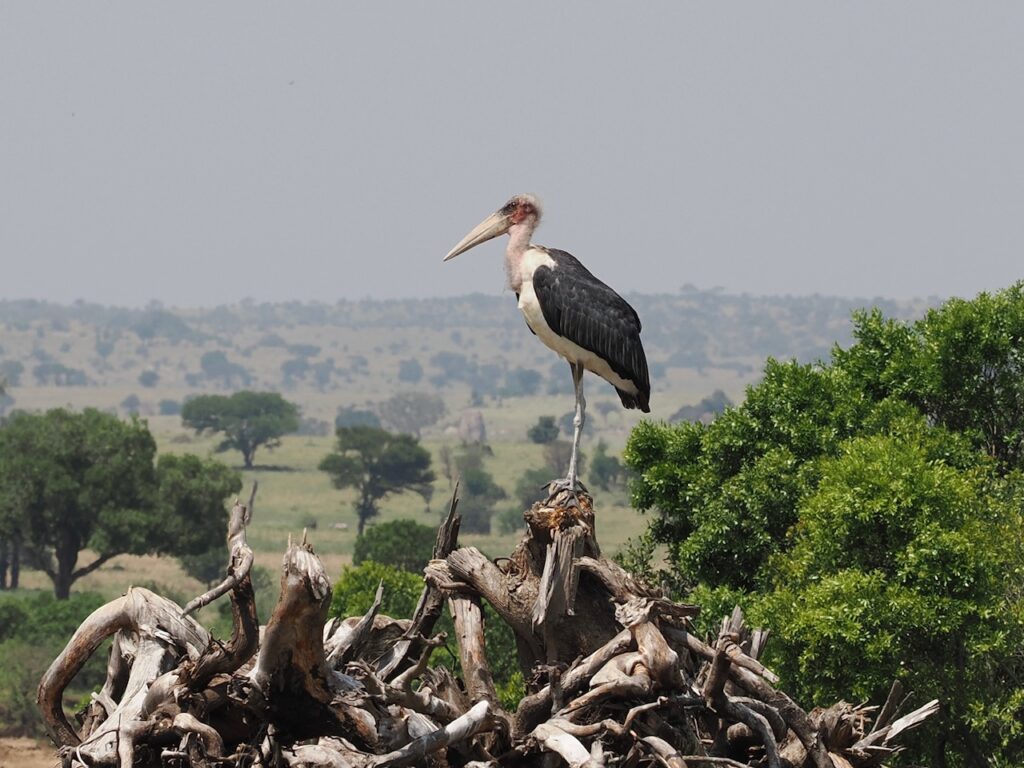
Next morning we have a walking safari which is wonderful. A bush walk always makes your senses come alive and you notice the little things and are constantly alert to anything that might want to kill you. Our route takes us along the banks of the Mara River. We watch hippos bathing and marabou storks feasting on wildebeest carcasses.

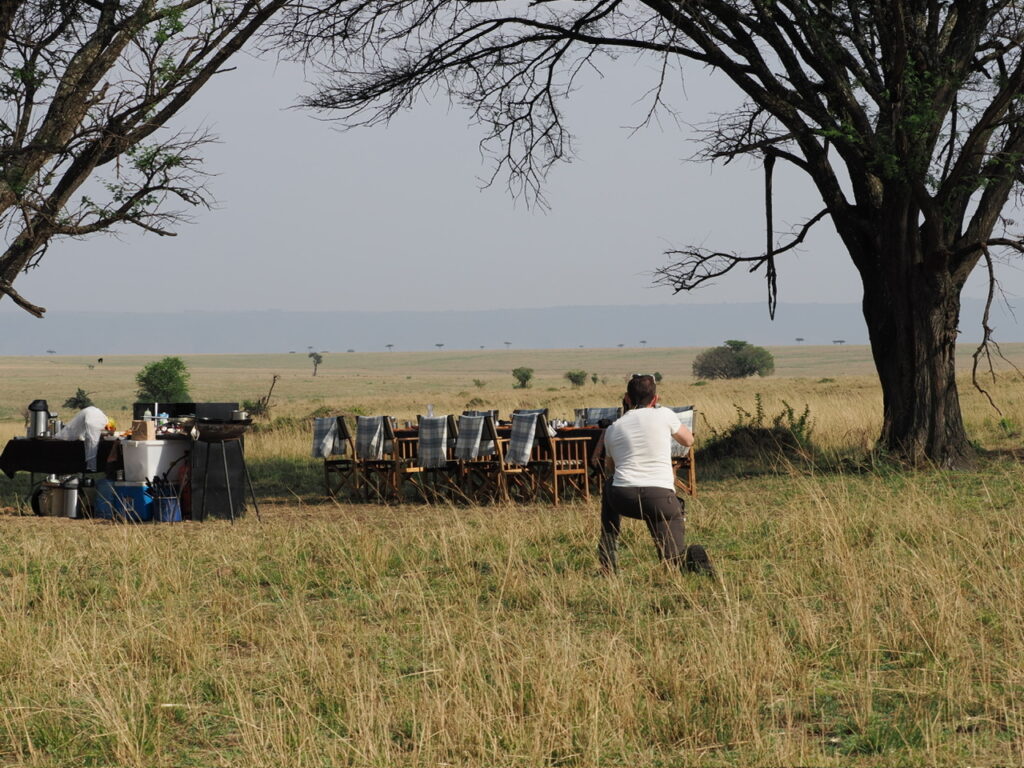
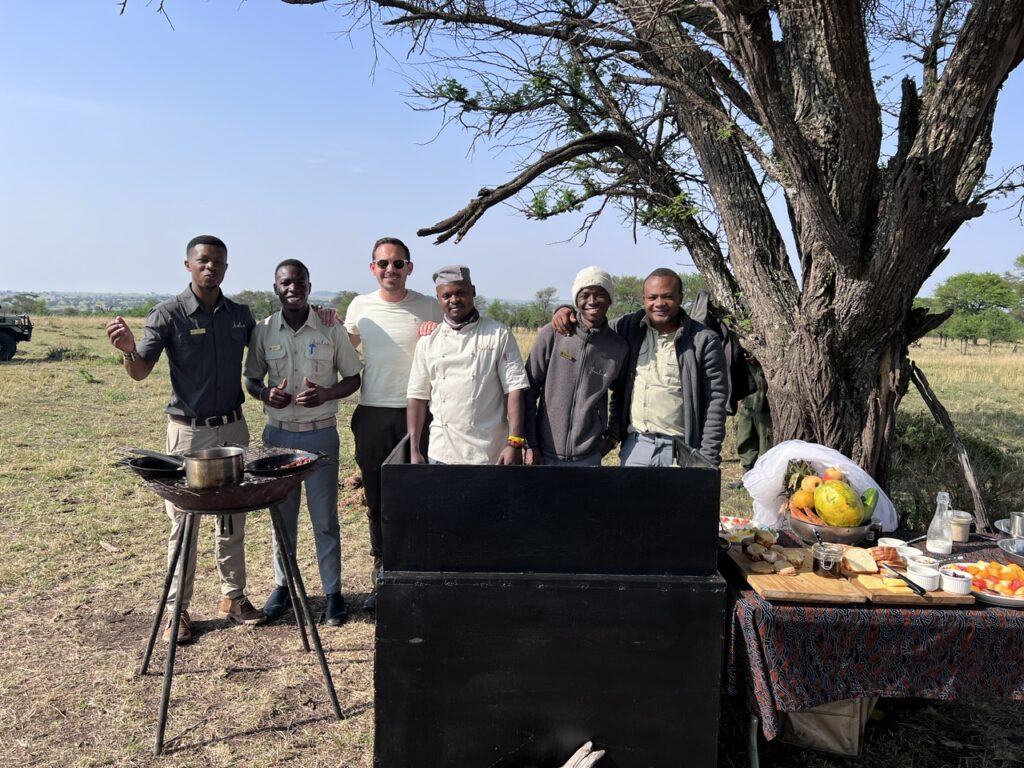
We leave the river and walk uphill until we come to an area where a bush breakfast has been setup.

Afterwards we drive along beside the river, park up and drink coffee whilst watching the hippos.

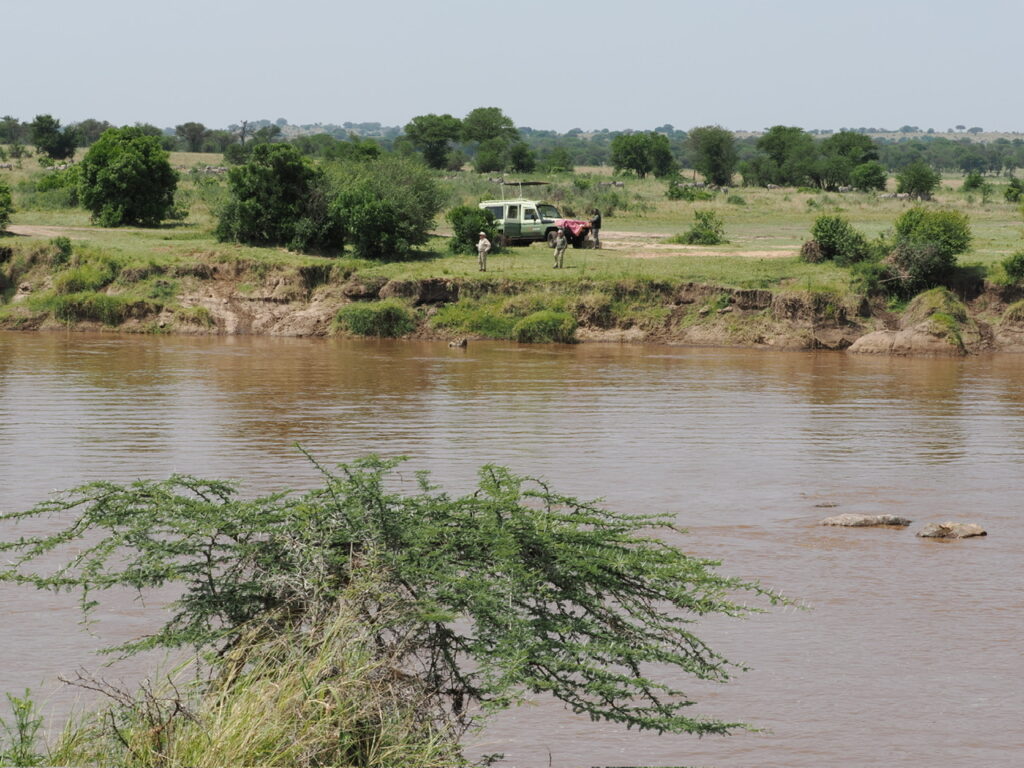
This morning we have chosen a quiet section of river away from the migration madness. It is so much more pleasant and tranquil.

The afternoon drive sees more rain but not as bad as yesterday. We watch elephants feeding in the gully…

… and then find the big lion pride. The three cubs are playing with their older brother. Every so often he gets to rough and is scolded by his mother. He saunters off and sulks with his back to the pride. Just like a chastised naughty child. Today the lions are out in the open so it is much easier to see them. However photography is still a challenge as a light rain is falling and the light is poor. We spend our entire evening drive watching them. Quite exceptional, special and magical.

Next day we head to the airstrip. Rob is going back to the UK and has a long 24 hours ahead of him with 5 flights. We wave him off and then have a short wait for our flight. Luckily we have a much easier journey with just a single 1 hour flight to Rubondo Island on Lake Victoria.

Mountain Gorillas

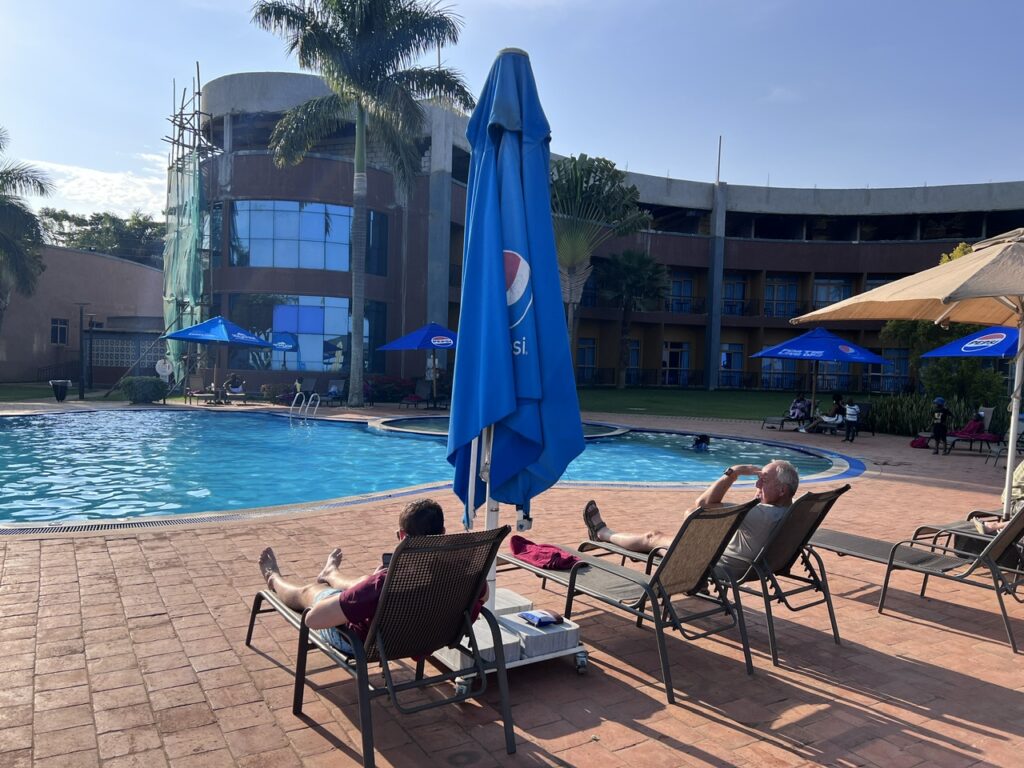
Much as I love safaris, the downside is the long travel time to get there. This time we fly to Doha with a 4 hour layover and further 6 hour leg to Entebbe where we overnight. We stay at the Protea Entebbe – a stone’s throw from the airport. It turns out to be better than expected, though funding ran out as there is just a concrete shell for the third floor. The hotel is on the shores of Lake Victoria and all rooms look out over the pool and lake. Not an unpleasant place to enjoy our first holiday beer.

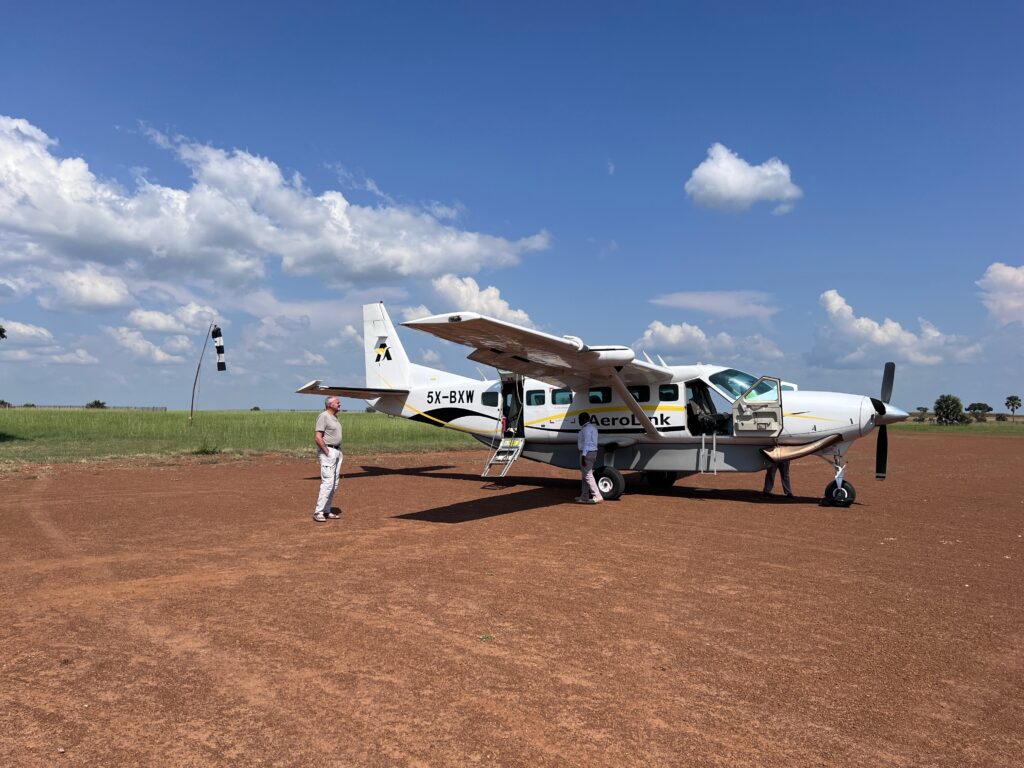
Next day we have a civilised departure time of 11.40. If left to Entebbe Airport security staff we would have missed our flight. They would not let us clear security because our flight was not showing on the departure board. We were ushered to a holding area, which we instinctively knew was incorrect. Following some hasty WhatsApp messages to BMG Safaris, who were most helpful, we were advised to tell security we needed the Aerolink desk and to muscle our way through. This was the correct tactic but still involved going through two more screening processes. I have never taken my boots and belt off so many times. I’m all for security but this was beyond amusing! We were much relieved when we finally had our boarding passes and could relax with a cold beer.

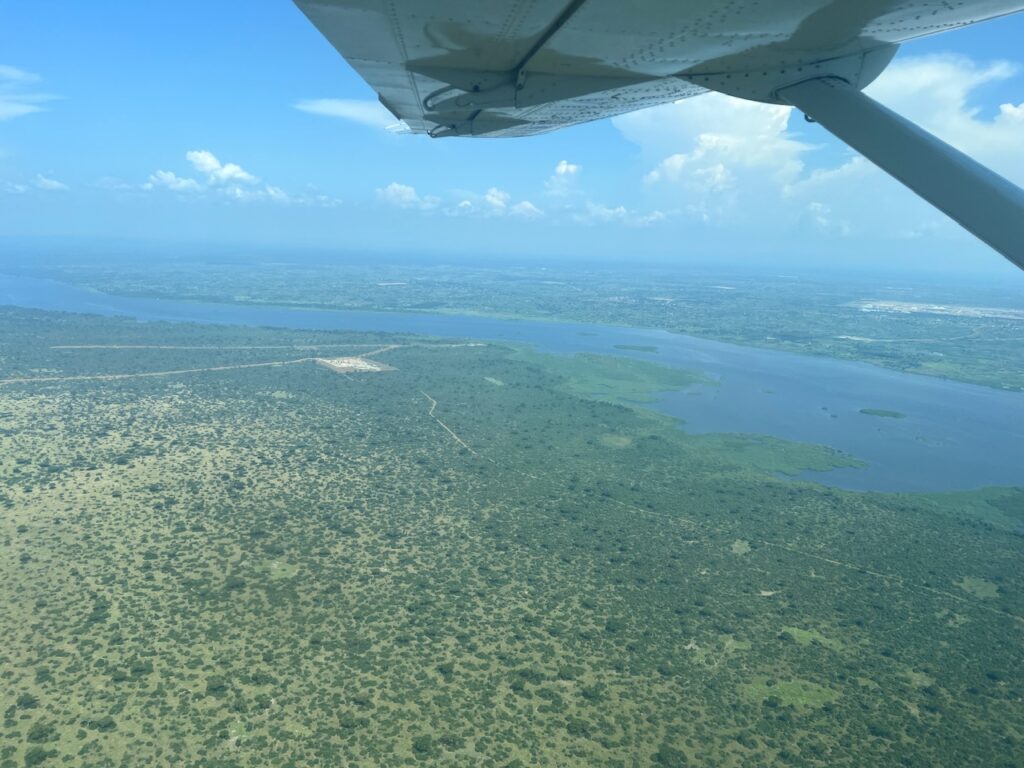
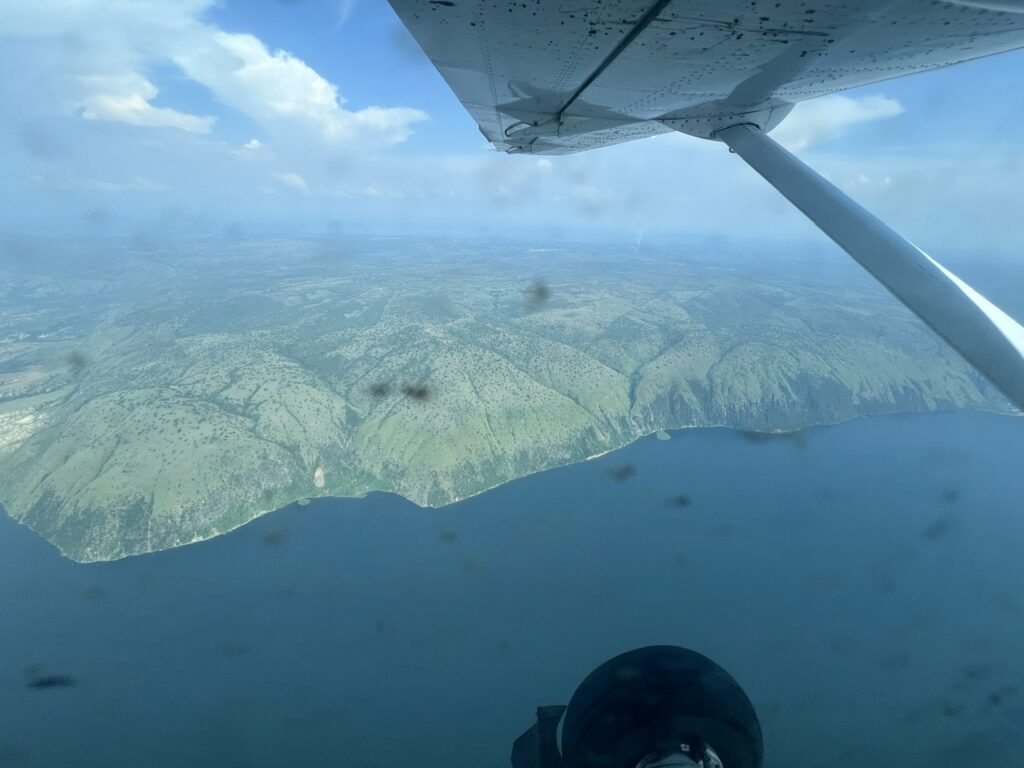
From the air, there are great views of Lake Victoria.

It is a 2.5 hour flight from Entebbe to Kihihi and we stop enroute at Pakuba.

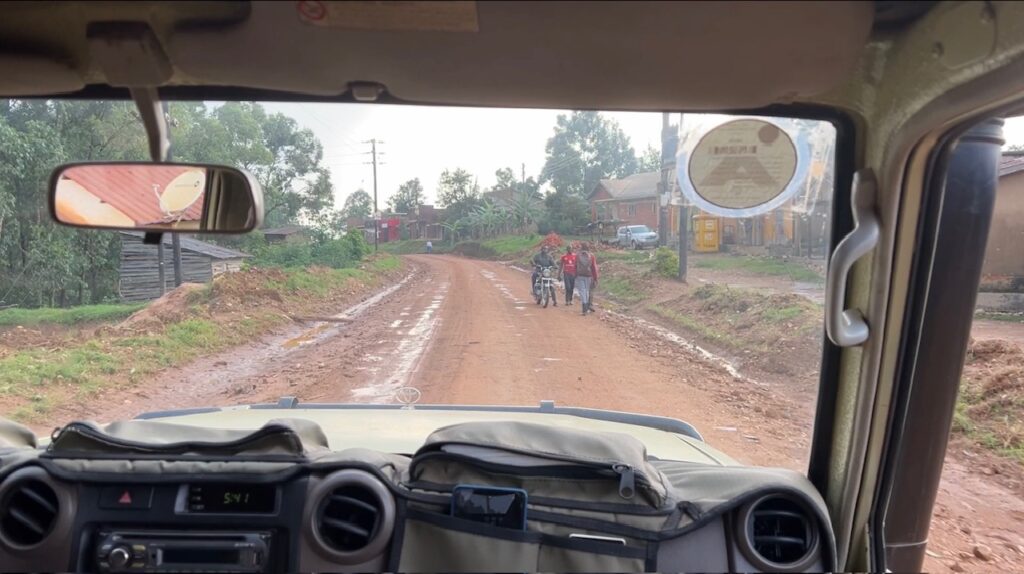
The flight is followed by the best part of a 2 hour drive, initially on tarmac roads but then on dirt roads which must be nigh on impossible to negotiate in the rainy season.

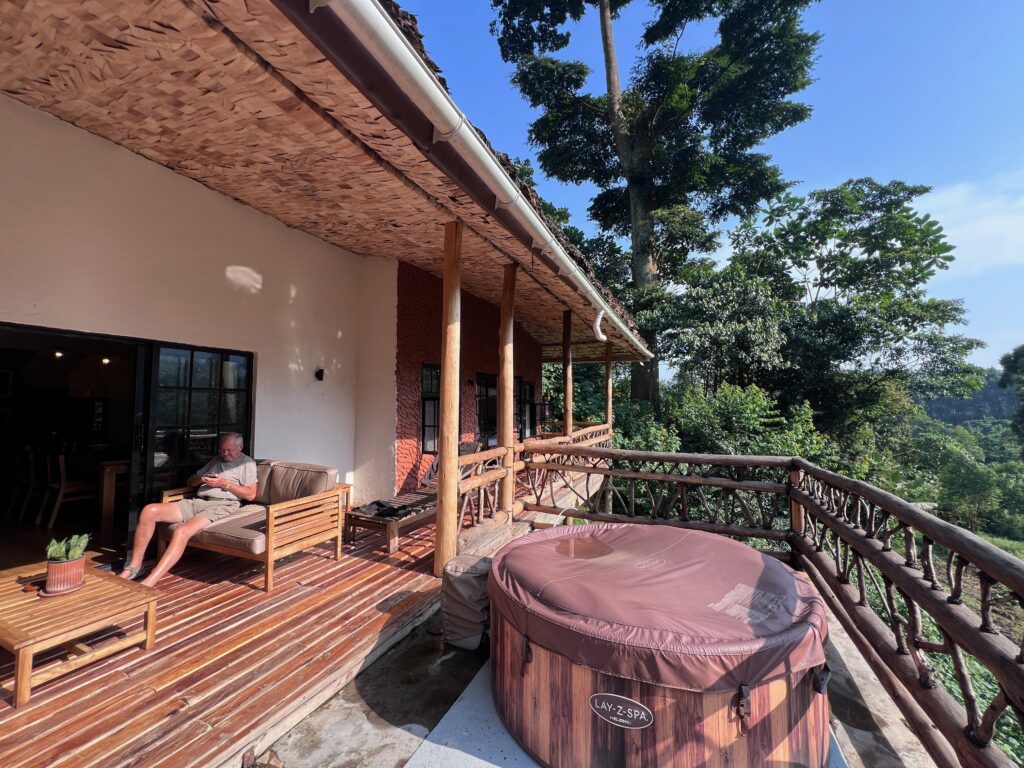
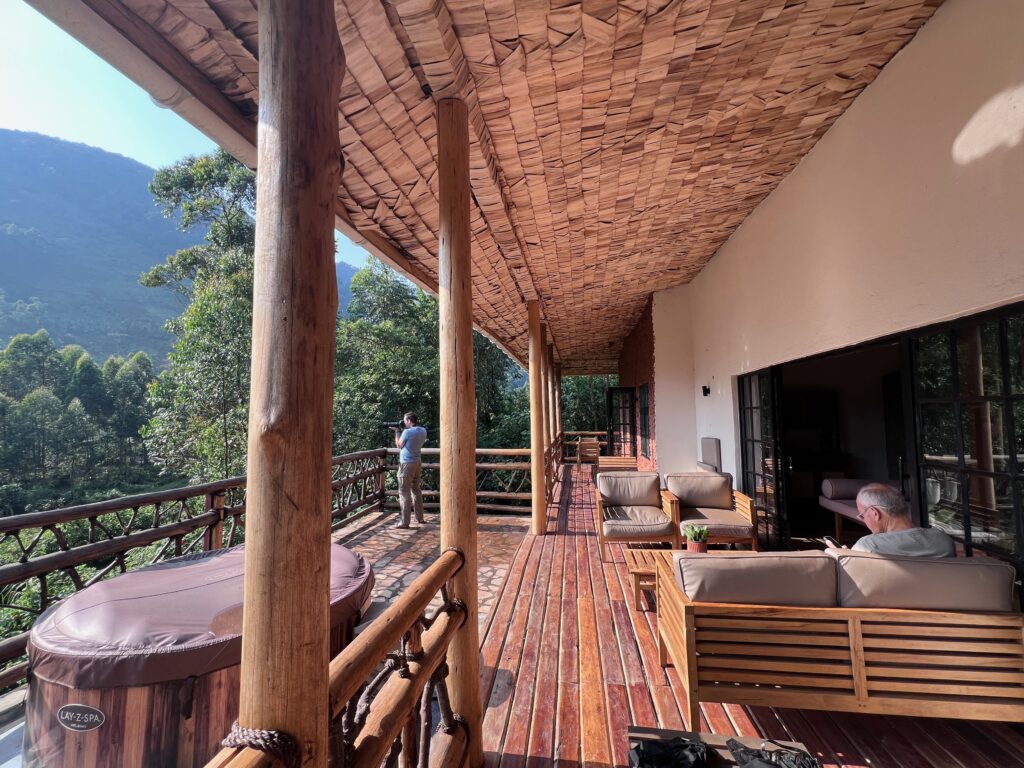
We are relieved when we reach our hotel after a long day’s travel. We are staying at Mahogany Springs Hotel, which is just outside the Bwindi Impenetrable Forest National Park. The lodge staff give us a warm welcome and show us to our rooms for a freshen up before dinner. We have been given a 2 bedroom bungalow. It is huge with a splendid verandah running the entire length, a jacuzzi and fabulous views over the valley and mountains.

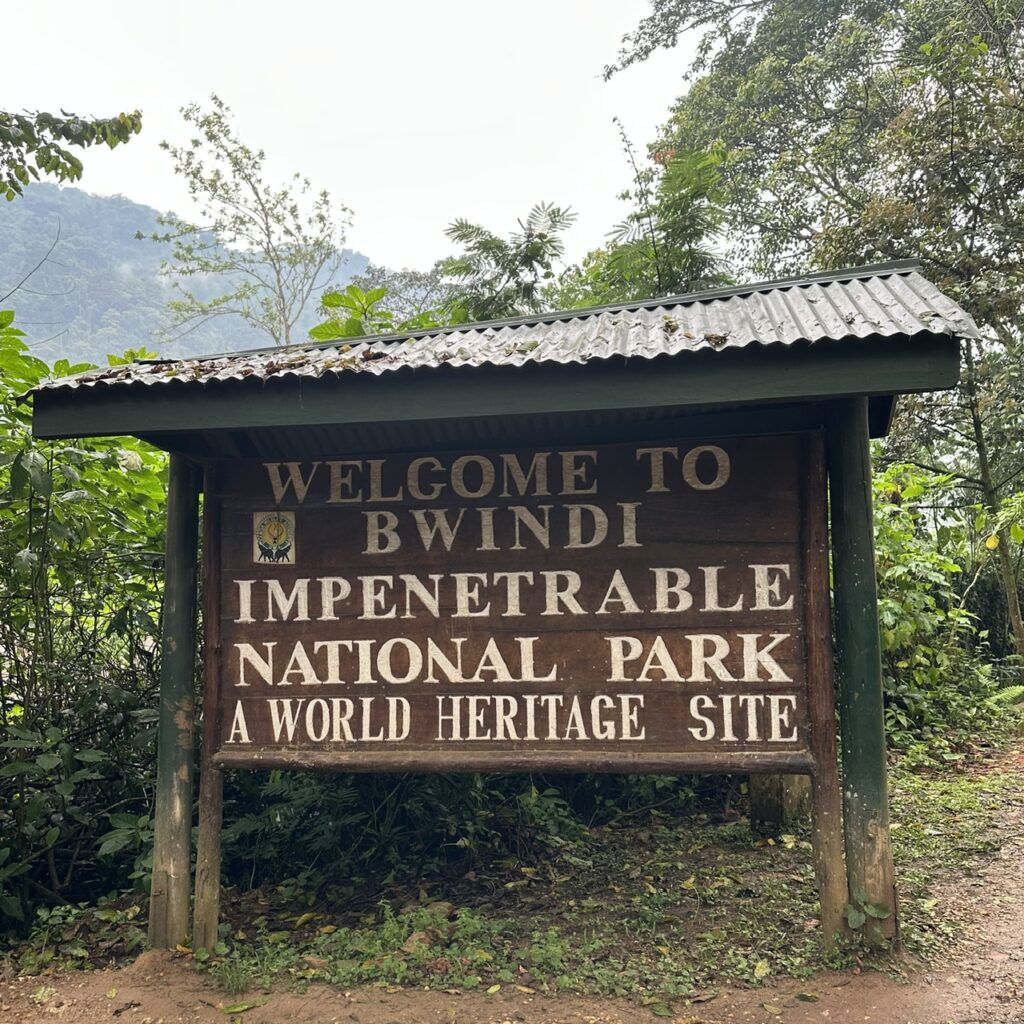
Now for the gorillas. We have an early breakfast at 06.30, then our drive takes us for the short drive through the local village to the National Park.

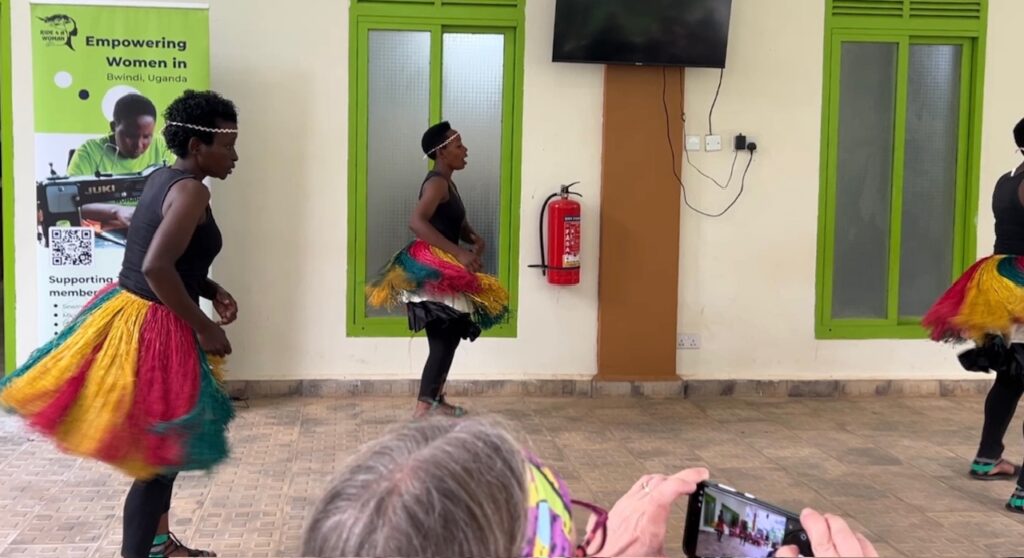
We are greeted by local women who dance for us. They form part of a community project to empower the women here.

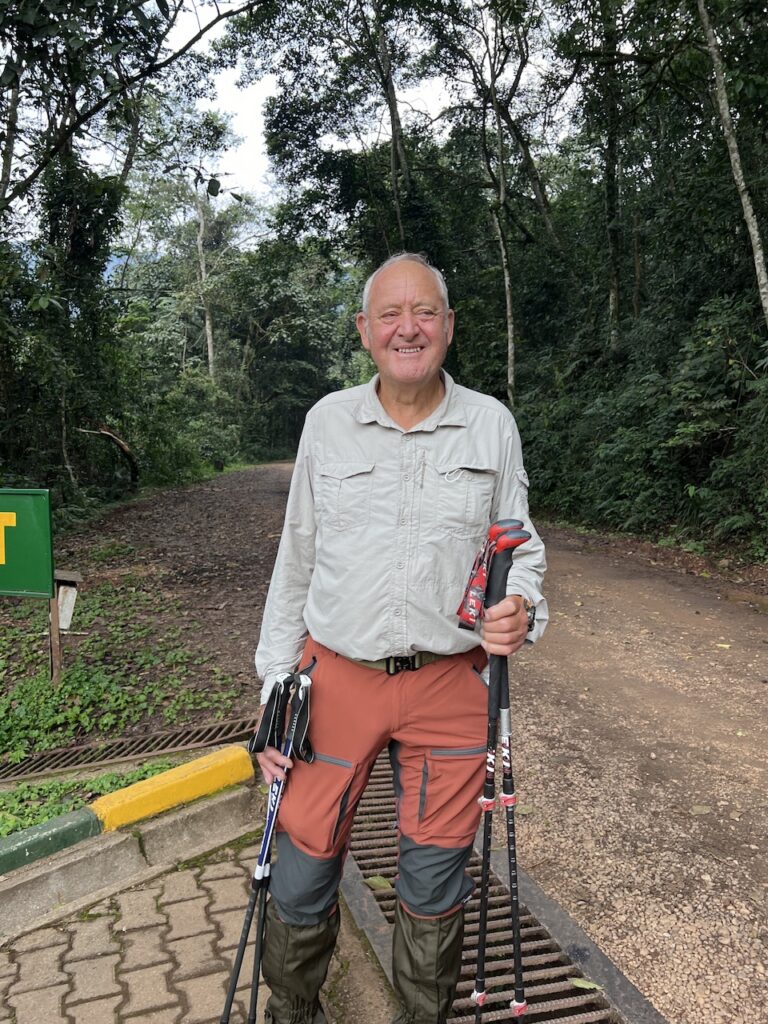
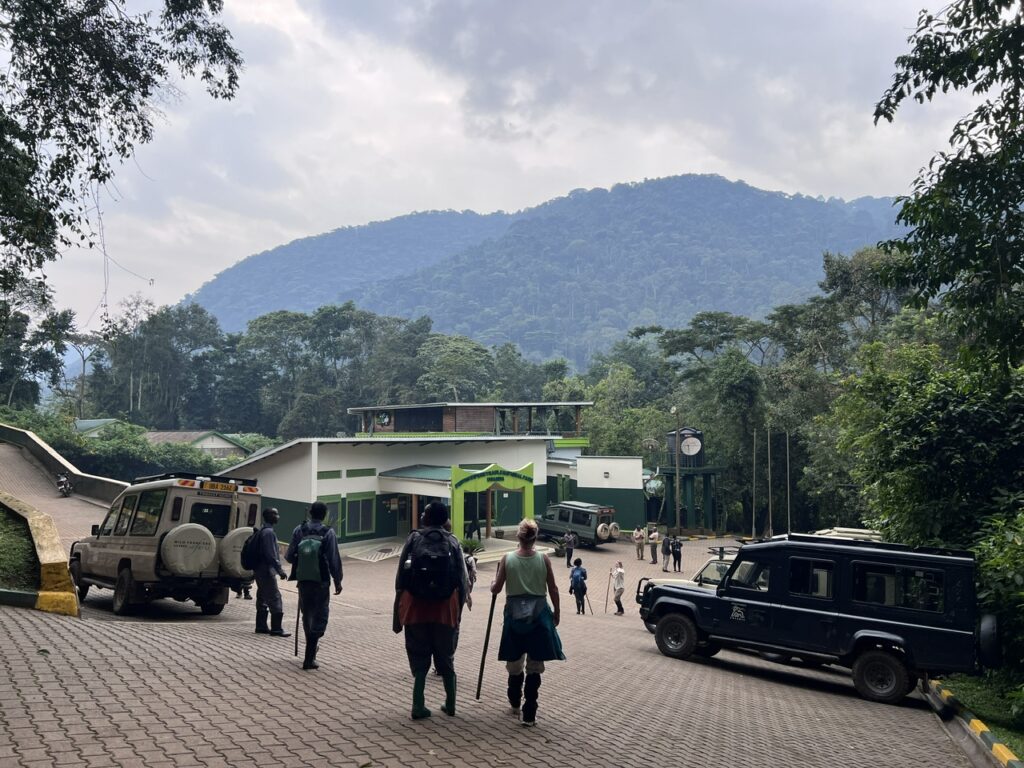
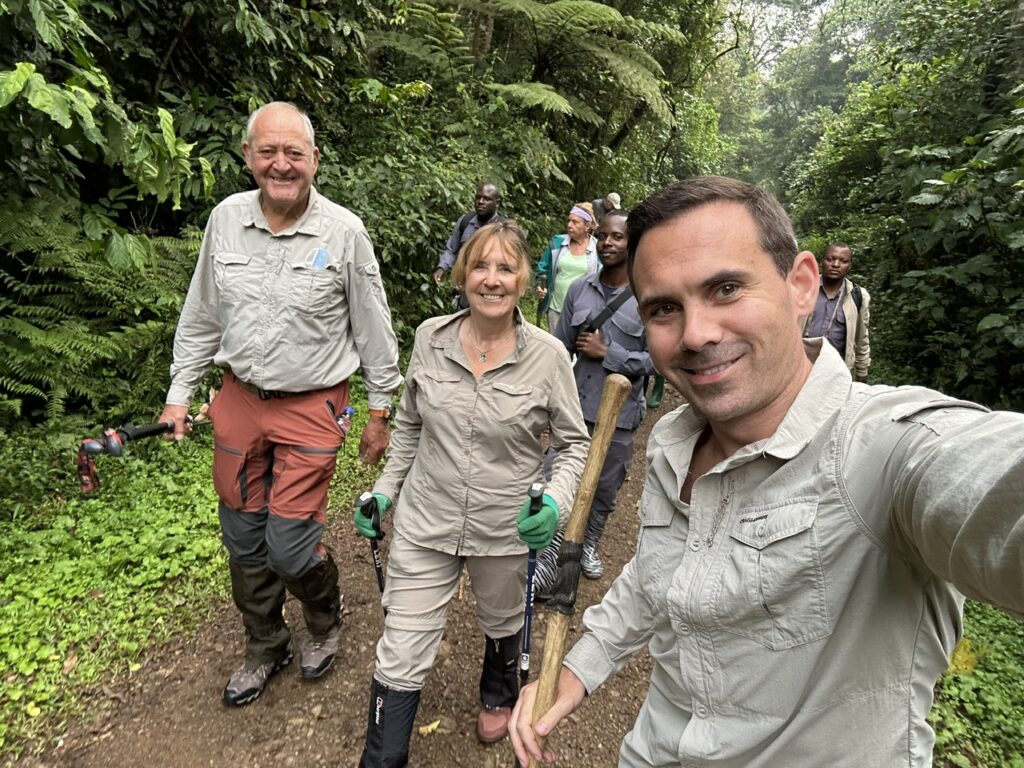
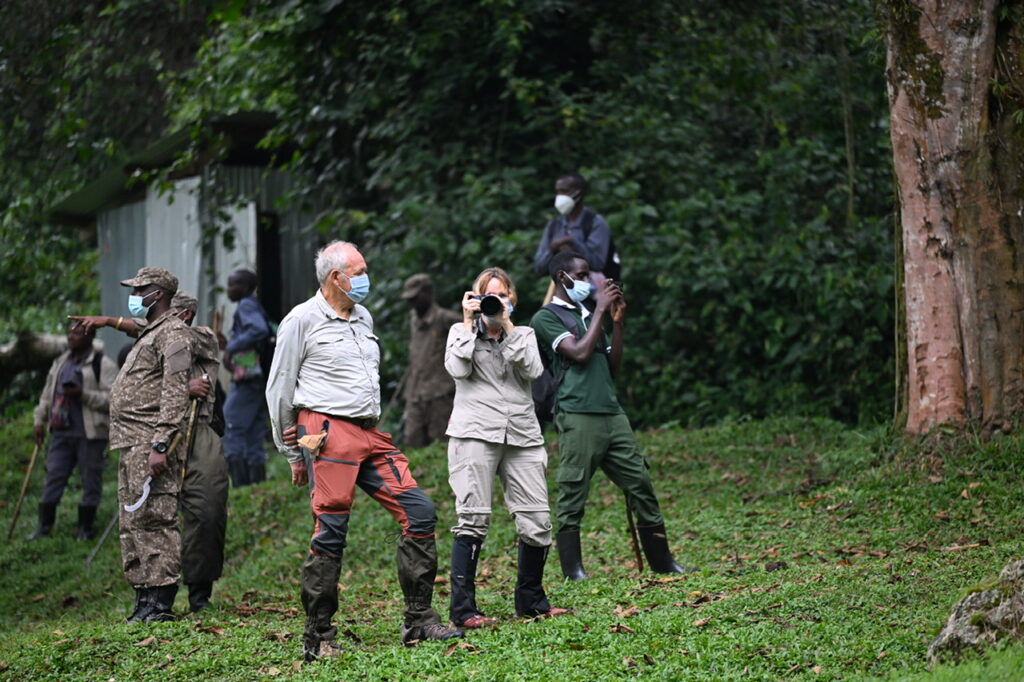
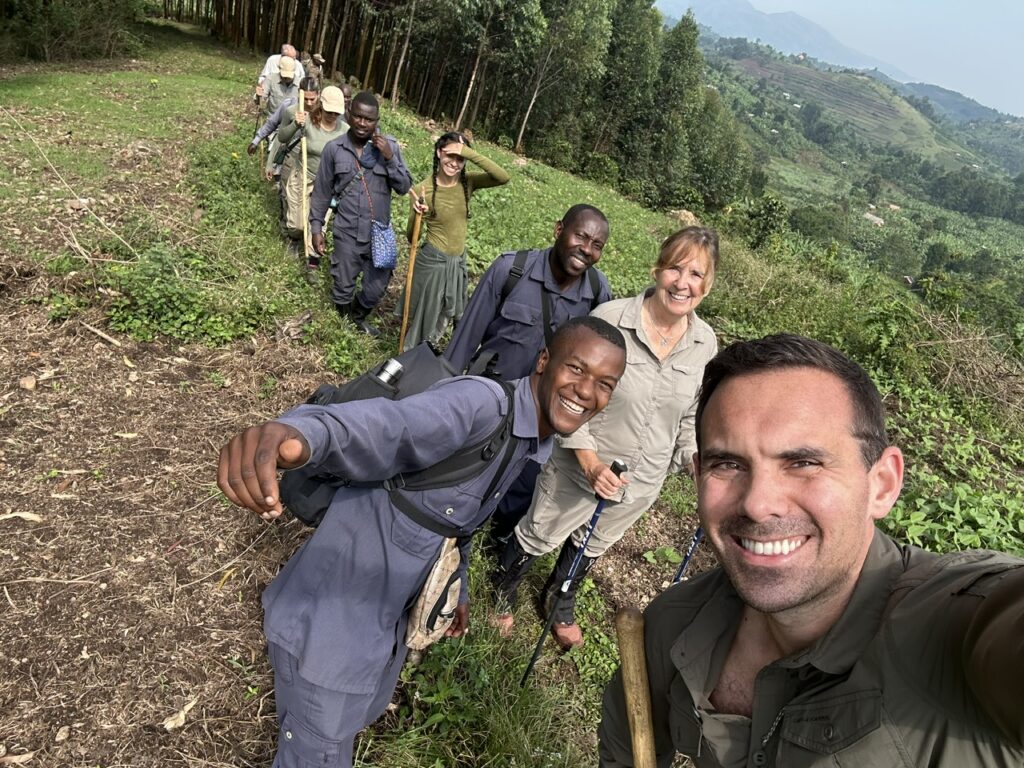
There follows a briefing. It is recommended that we have porters, who will carry our equipment and also lend a helping hand when the going gets tough. Then everyone is allocated to their guides. There are numerous groups of gorillas here and they are located at varying distances. We have opted for an easy first trek as we have no idea what to expect. Our group is comprised of 8 people, plus our guide John, 3 trackers, 2 park rangers with guns and all of our porters. We are excited when we finally set off on foot along a rough track.

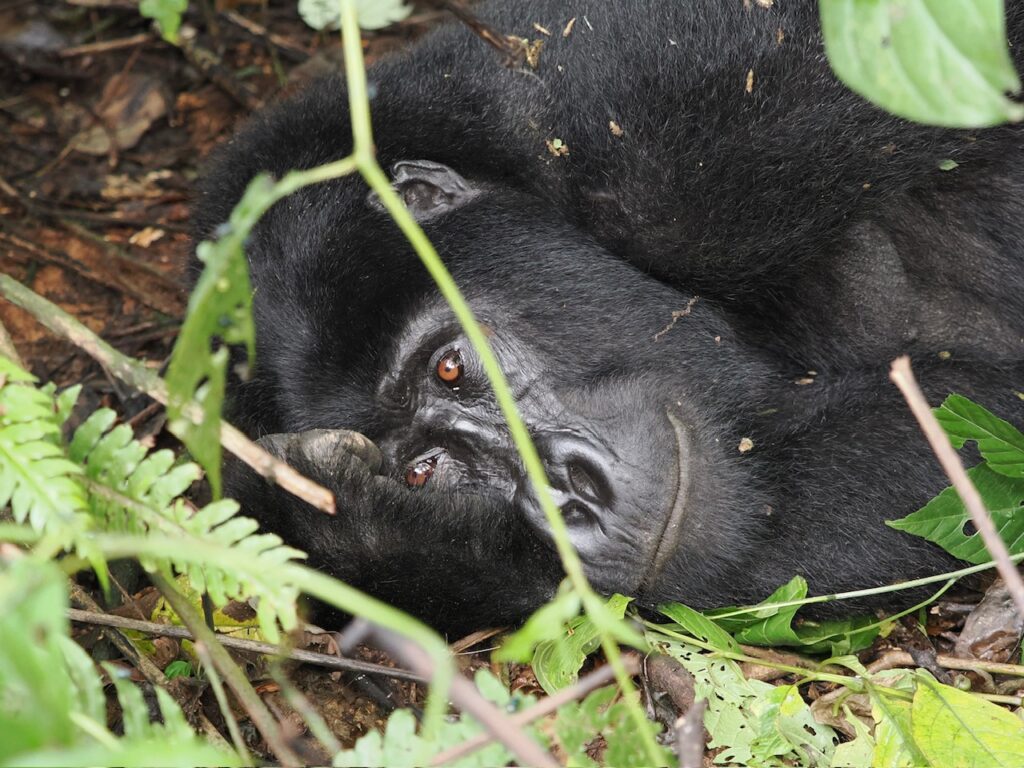
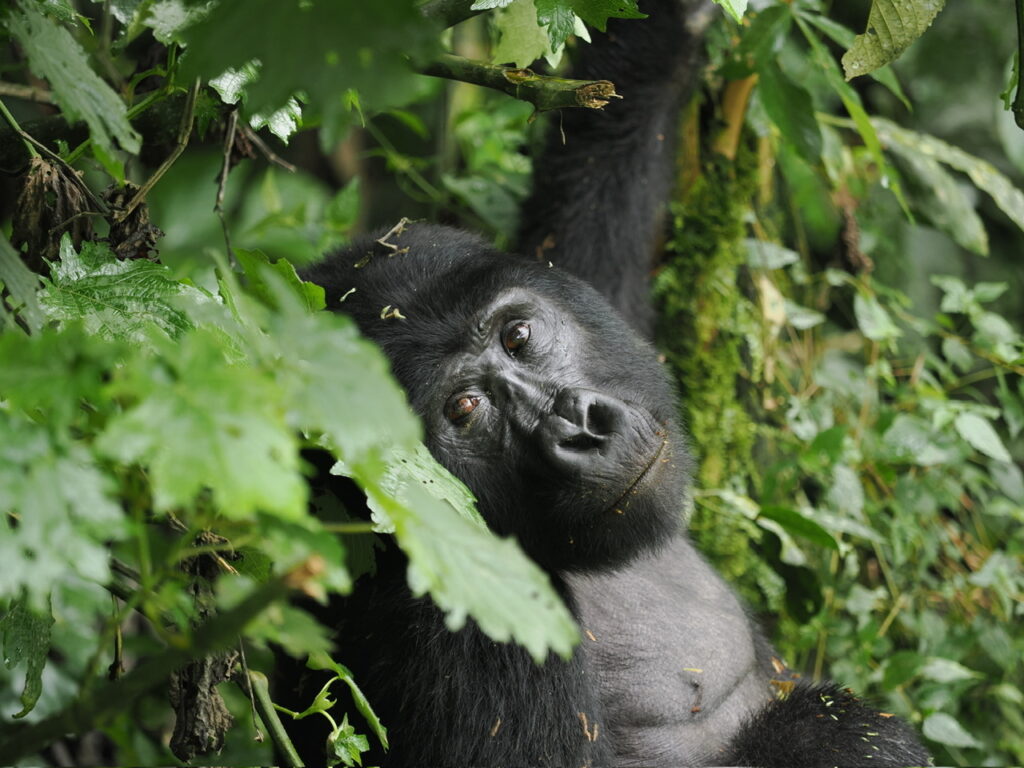
After 10 minutes we arrive at the rangers village. We walk up through it and into the forest but have only been there for about 5 minutes when our gorilla group is located. This is incredible. We are so lucky to have found them so quickly and yet there is a sense of it all being much too easy and that we have not really earned such a privileged encounter. Initially the gorillas are in the forest and quite hard to see. It requires some tight focussing through the branches.

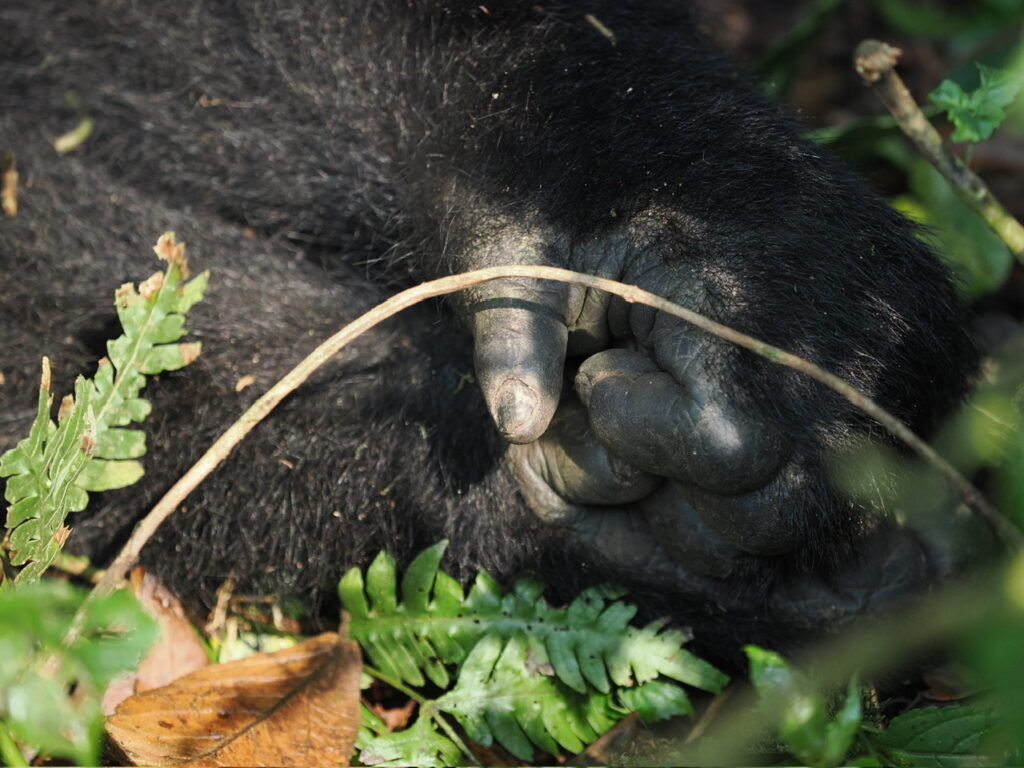
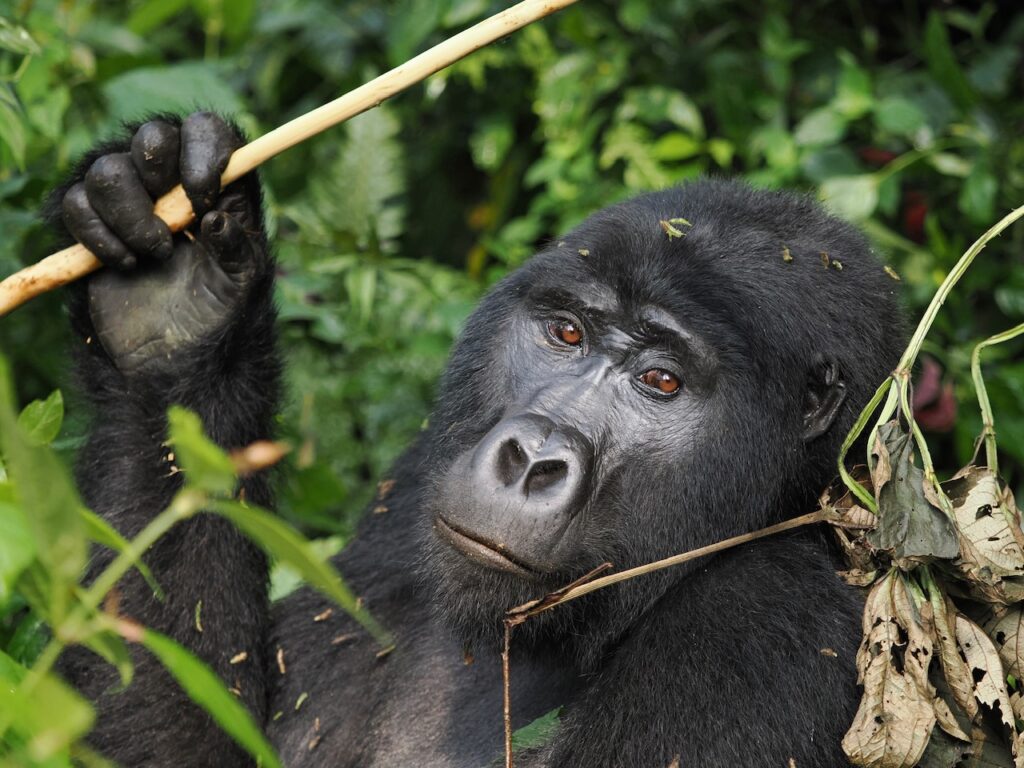
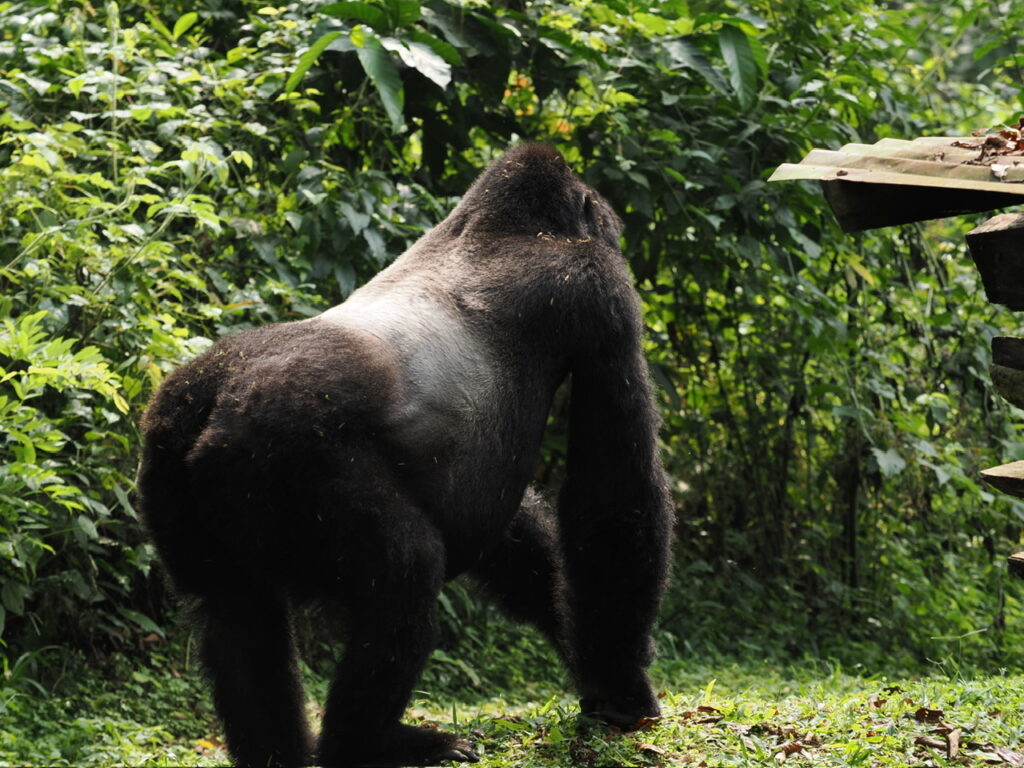
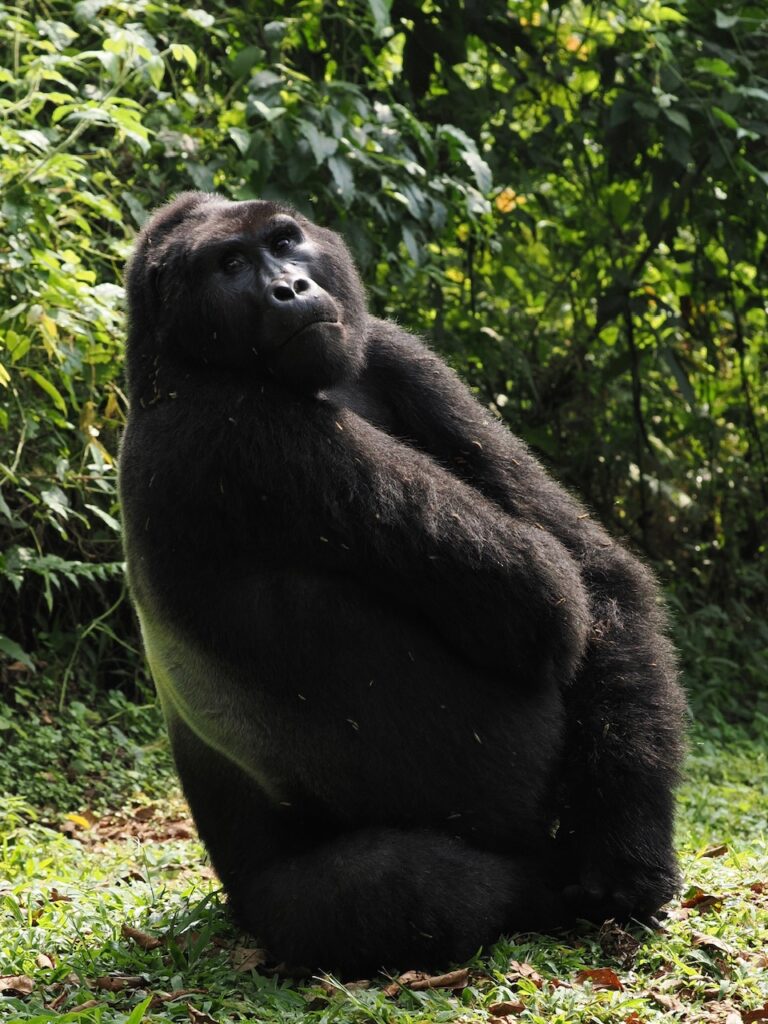
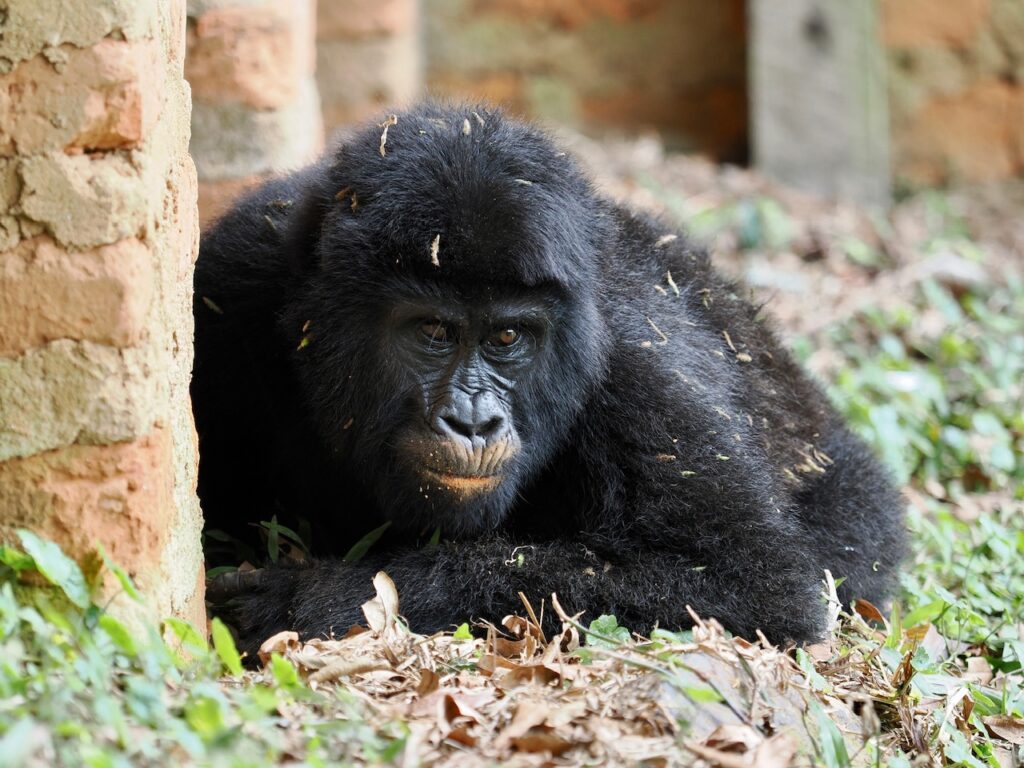
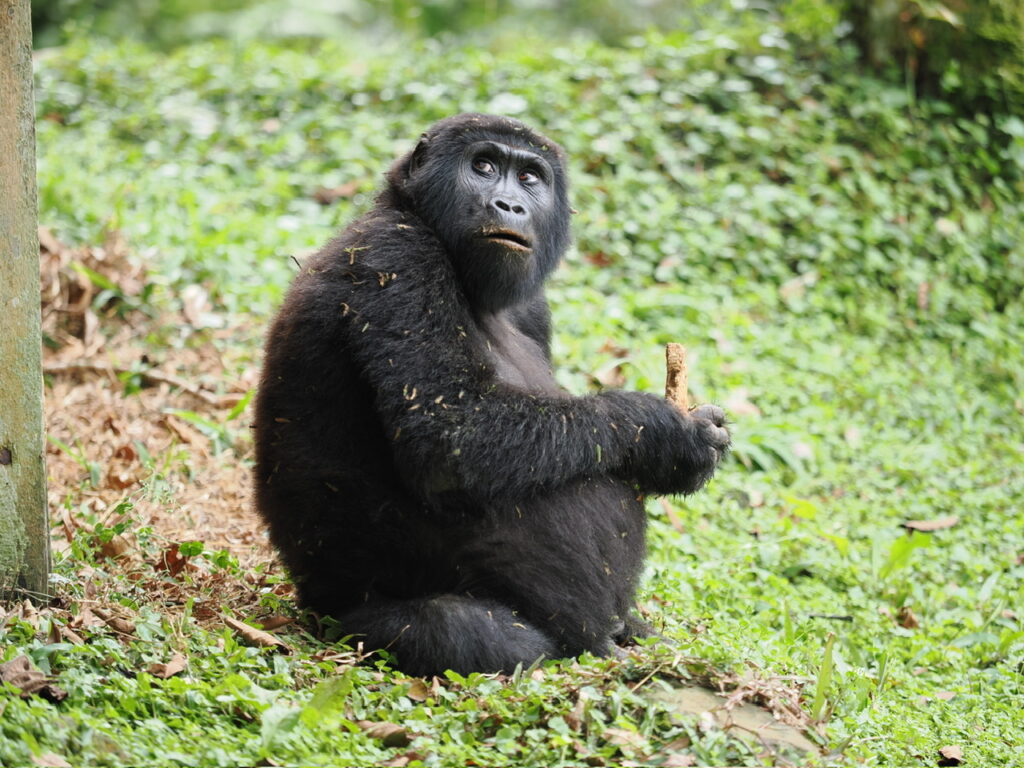
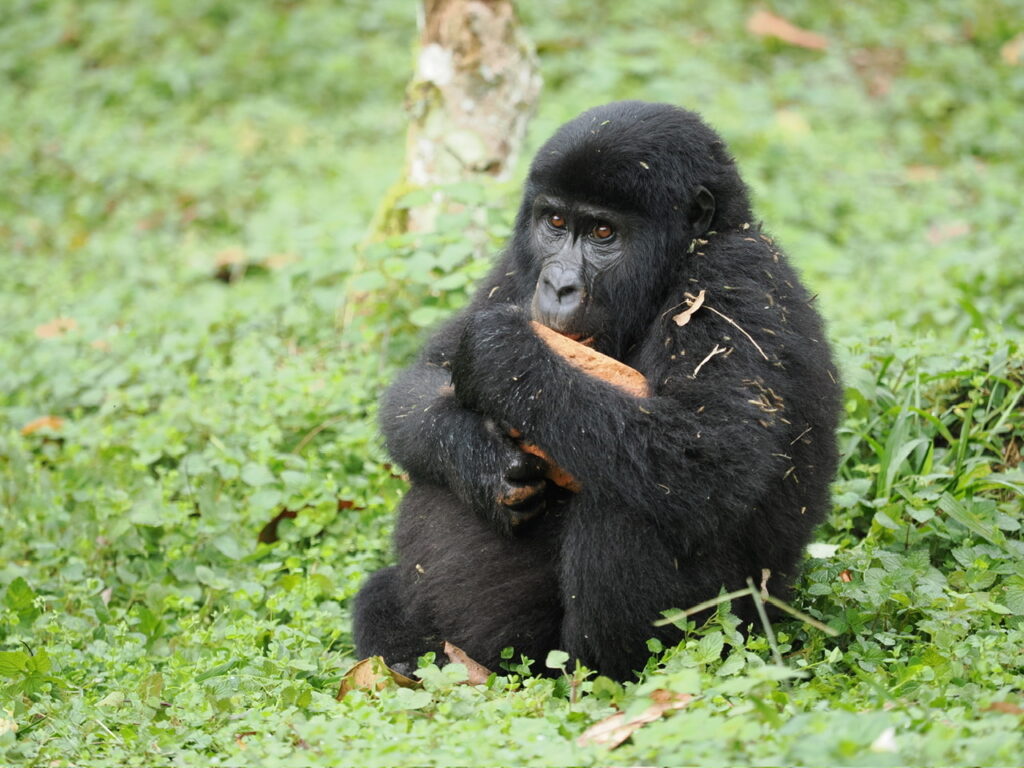
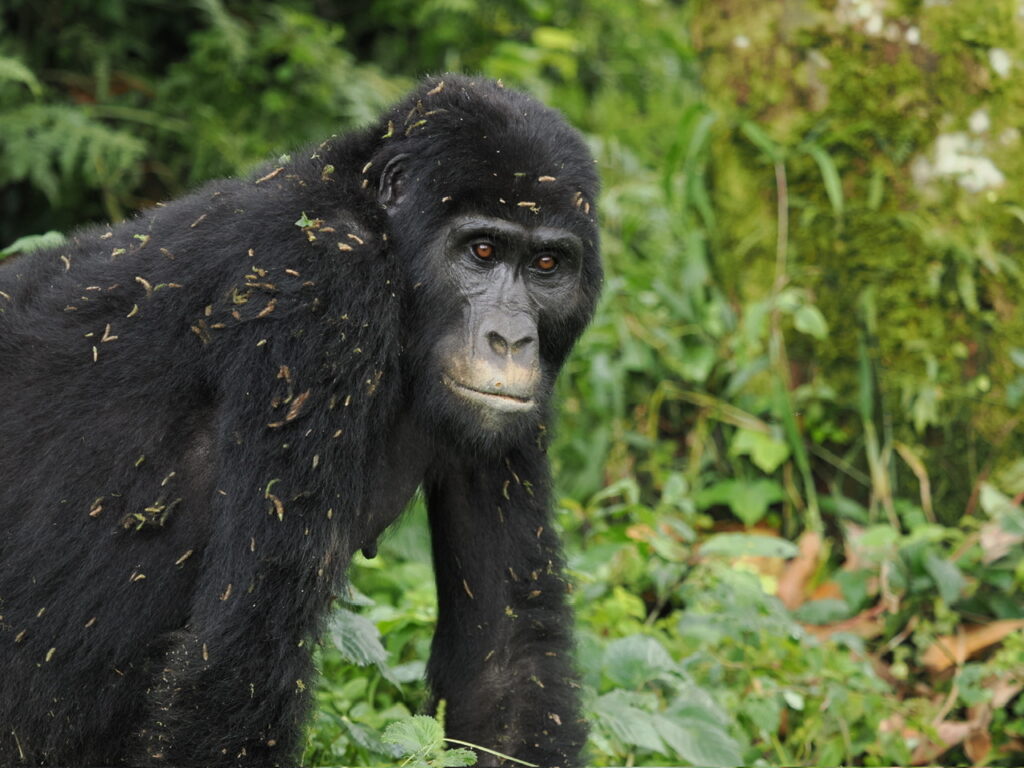
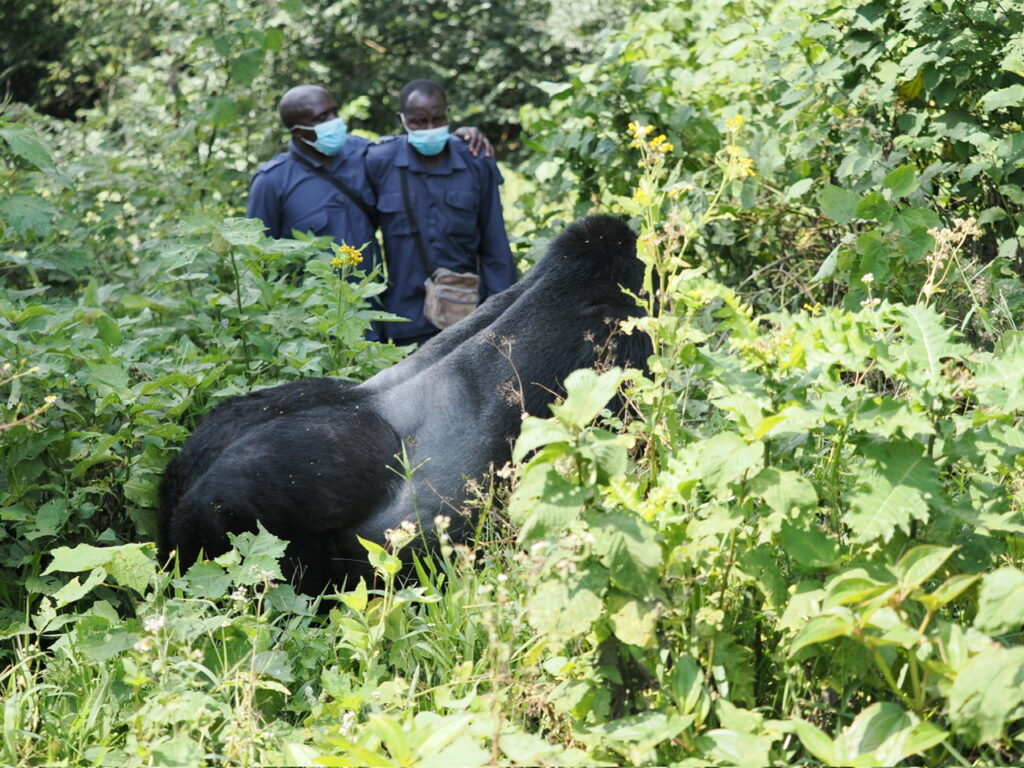
This group is named the Katwe family and comprises 8 gorillas, including one silverback. We have to wear masks so we do not transmit diseases to them and maintain a 10 metre distance. However, the gorillas do not know this and we are much closer, sometimes within touching distance.

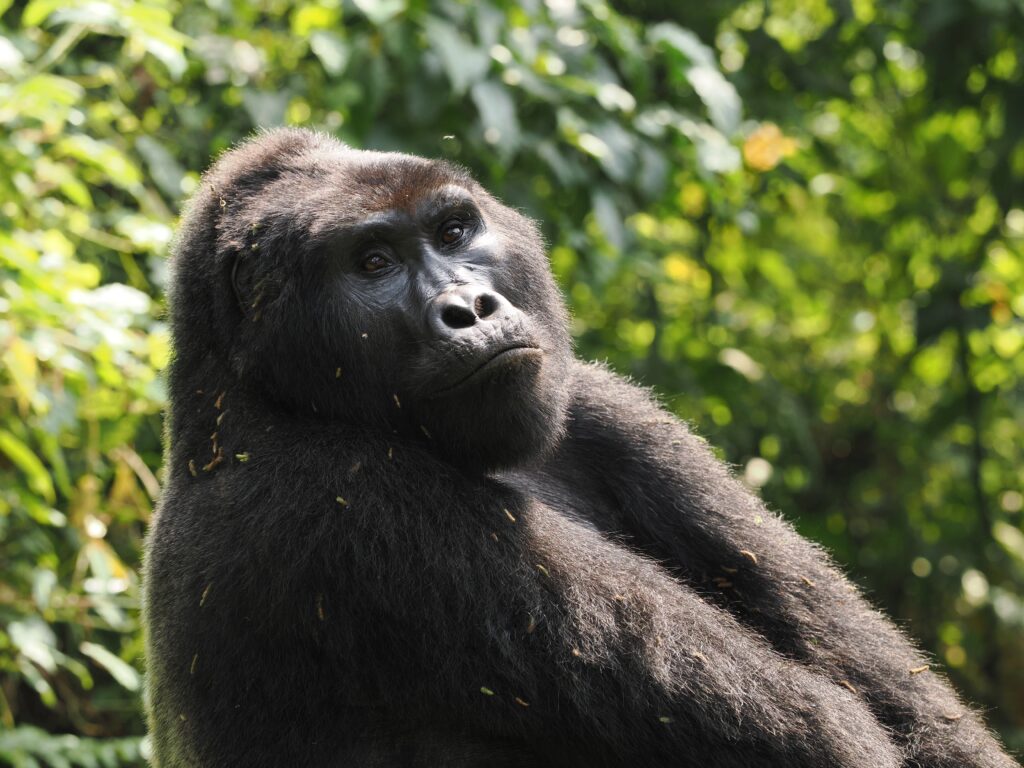
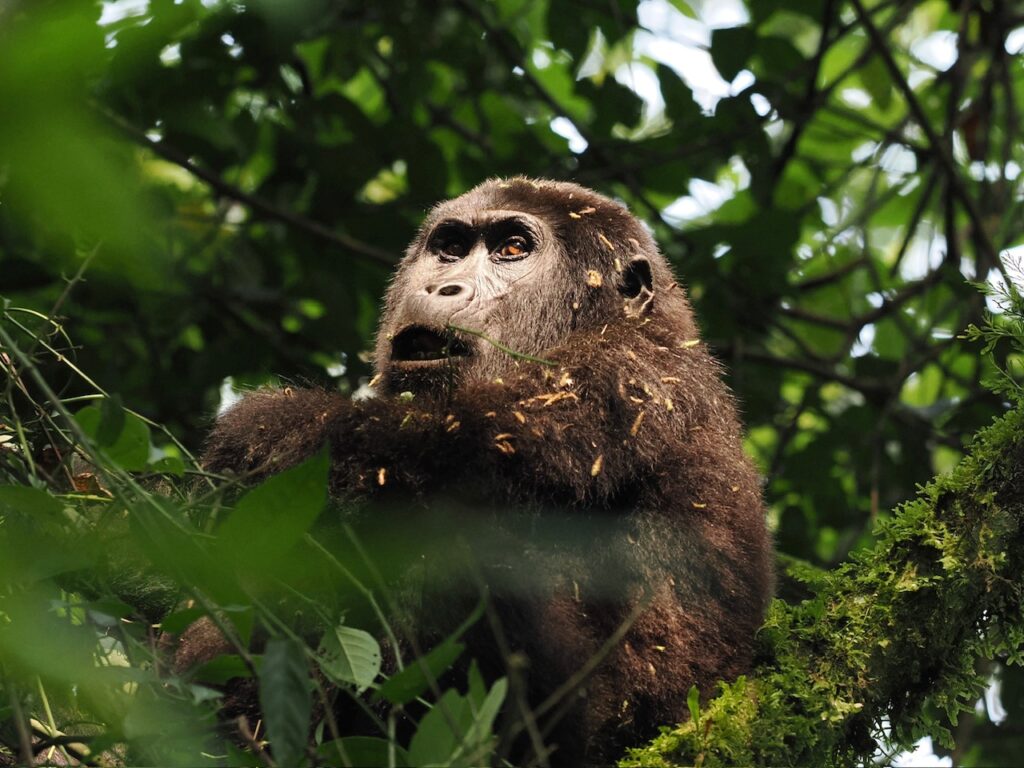
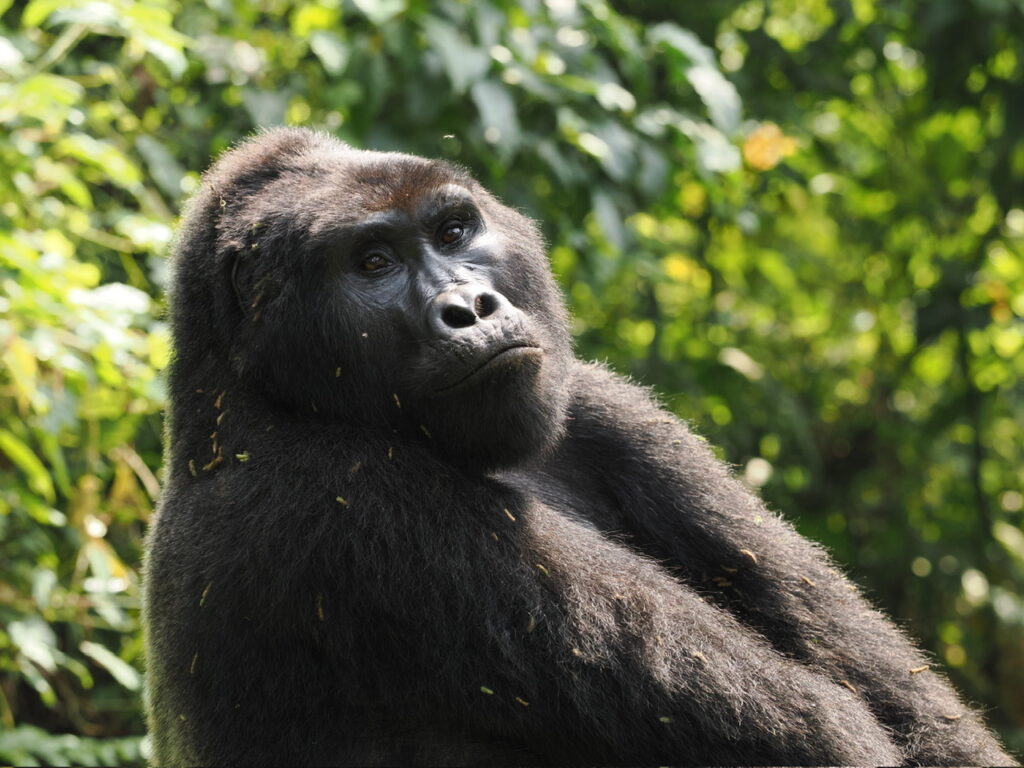
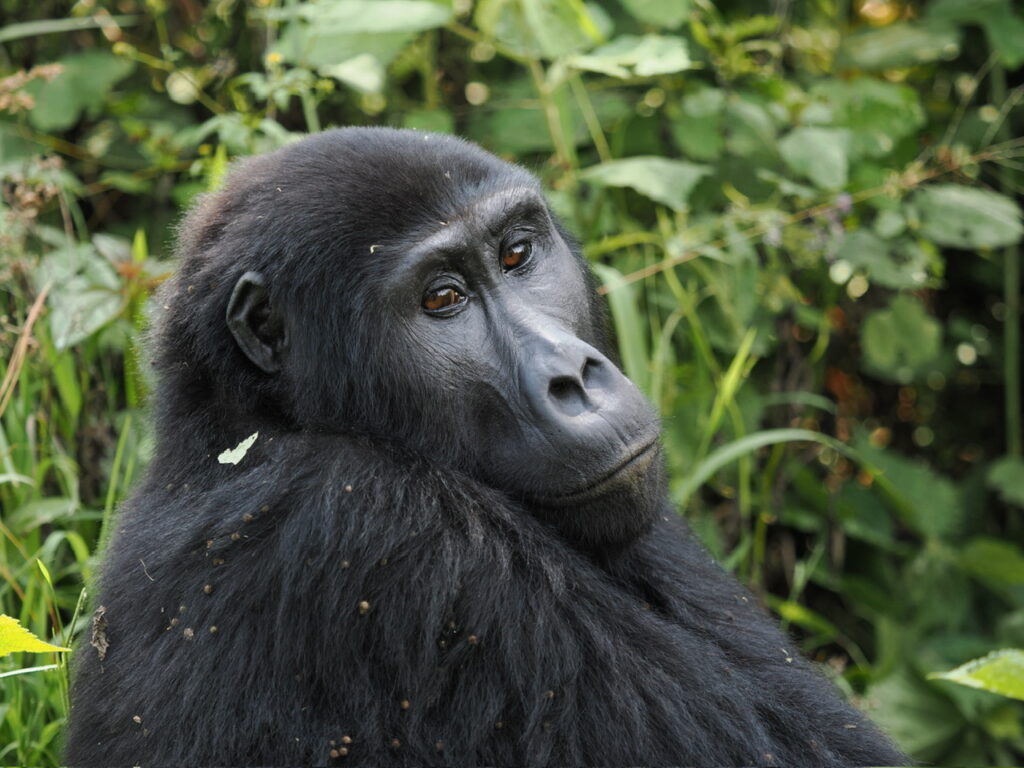
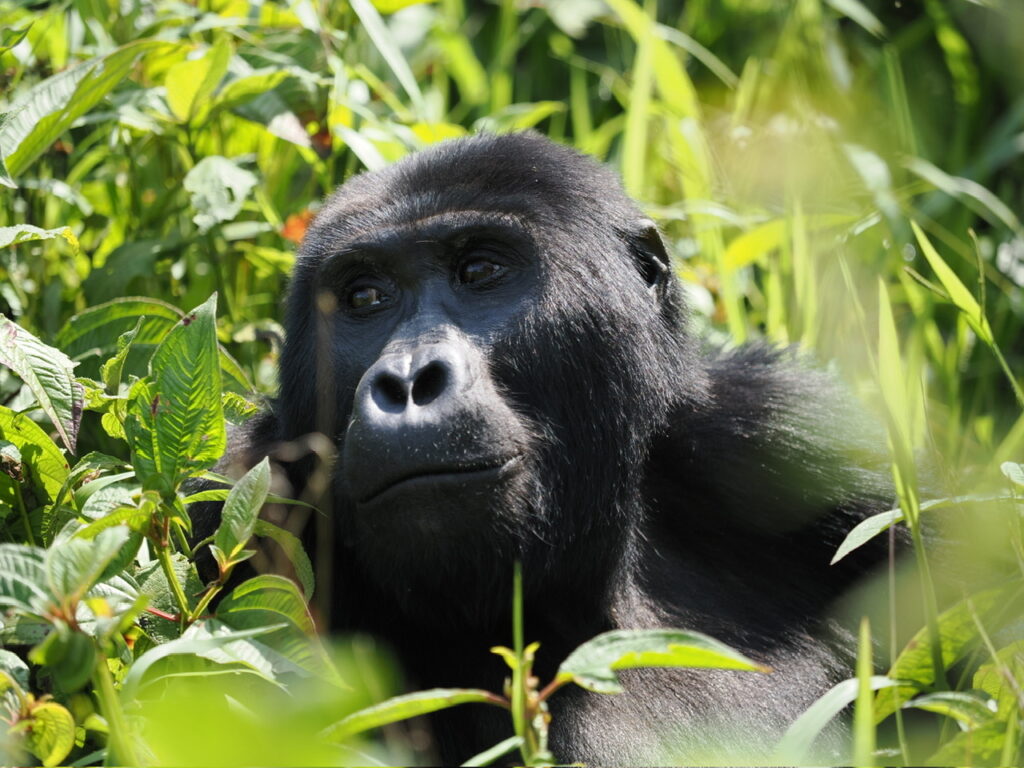
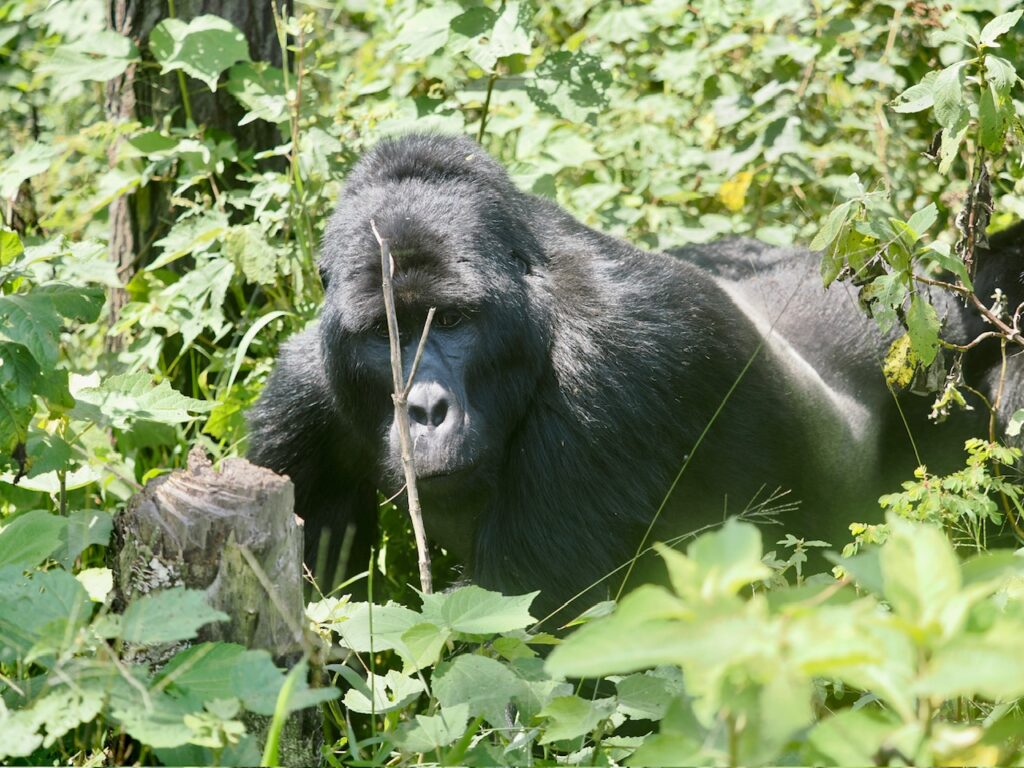
The gorillas are very placid and calm. They are pretty unconcerned by our presence. The silverback is sitting in the undergrowth, calmly chewing vegetation.

The first to emerge is the huge silverback. He pretty much brushes our legs as he walks past. He looks at us straight in the eye. It is quite intimidating. He is big!

They emerge from the forest into the open and walk through the village where they pause to lick the bricks for minerals. I assume that this is a much frequented location for them. Our permits allow us to spend a wonderful hour with the gorillas. What a fantastic start to our holiday!

In the afternoon we opt for a nature walk through the forest to see the waterfalls on the Munyanga River. The walk takes about three hours and was moderately challenging. It was very immersive to walk through pristine primary rainforest. We caught glimpses of red-tailed monkeys and the occasional bird. There were few insects to pester us and it was a worthwhile excursion though very humid, so we definitely sweated profusely. When a downpour occurred at the end of our walk it initially made little impact on our already soggy attire.

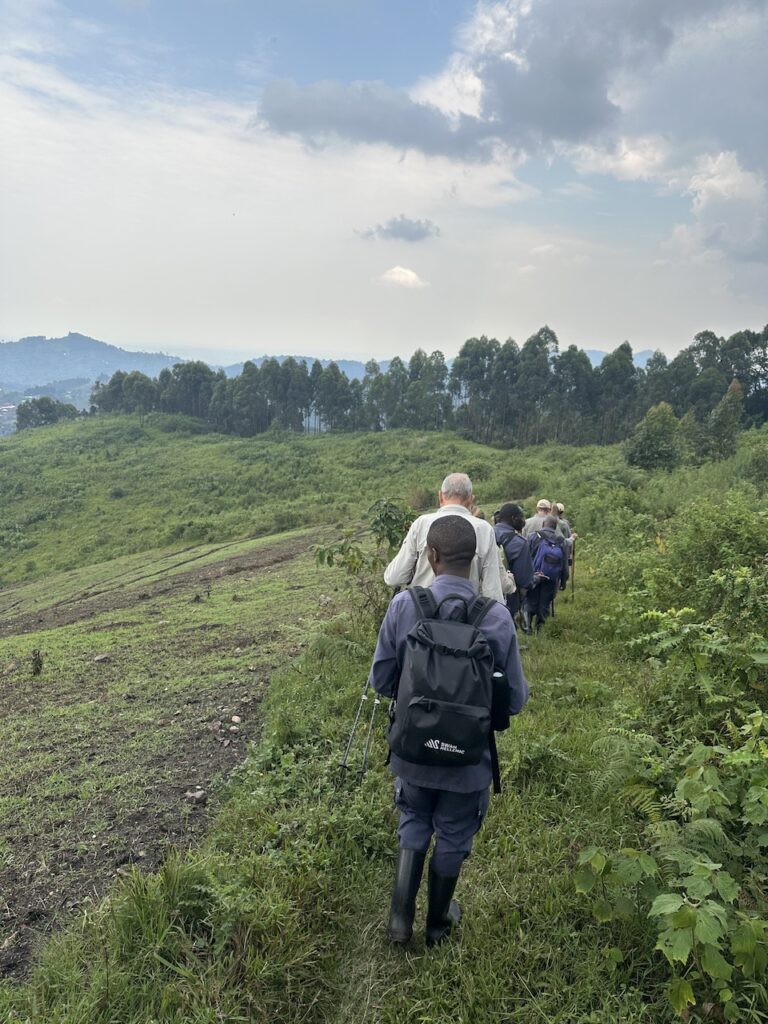
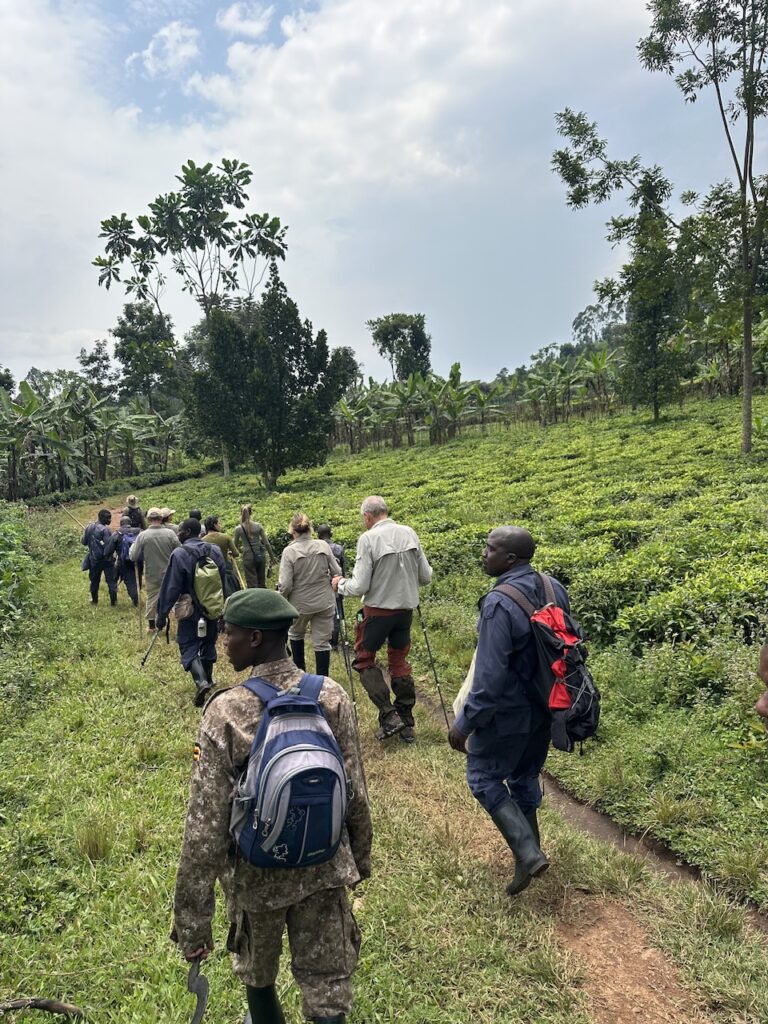
Next day we decide to relax, which was exactly these was required and prepared us for a more challenging trek on the following day. We meet our guide and then drive for over an hour to reach our starting point where we meet our porters, trackers and rangers. Then it is time to proceed in single file at a steady pace on a steepish gradient through farmland where an assortment of crops are being cultivated.

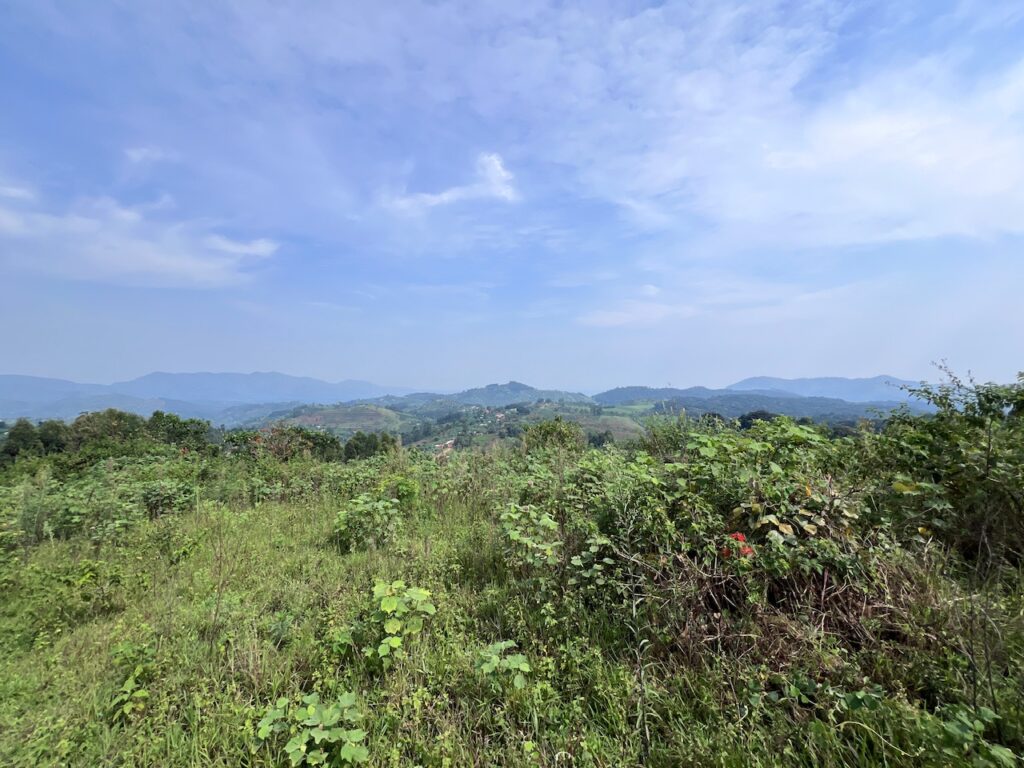
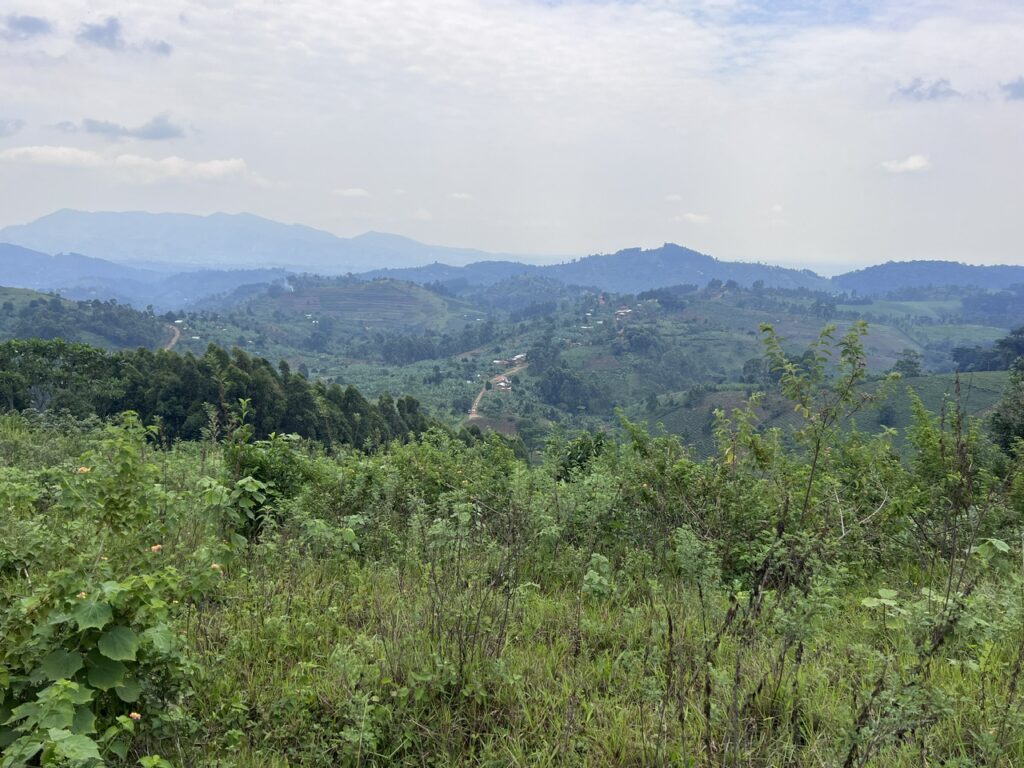
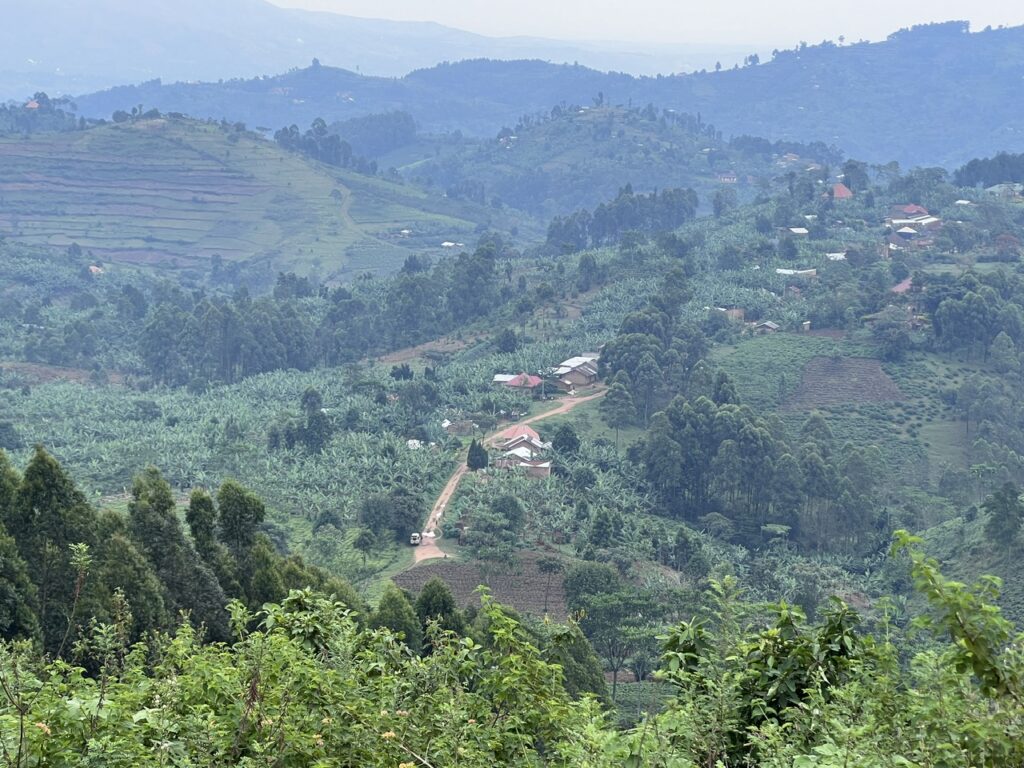
There is no respite from the upward slope there is little shade and it is warm and humid. Every so often we pause to catch our breath and drink some water. After an hour or so the land flattens and we are treated to wonderful views. We realise how high we have climbed.

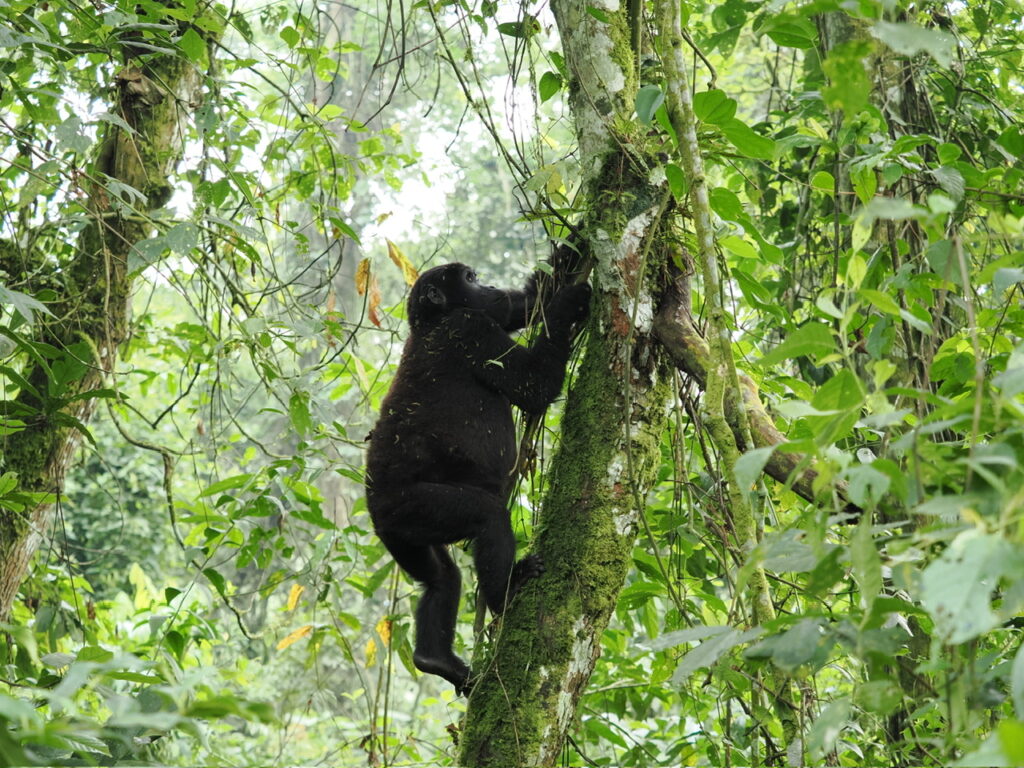
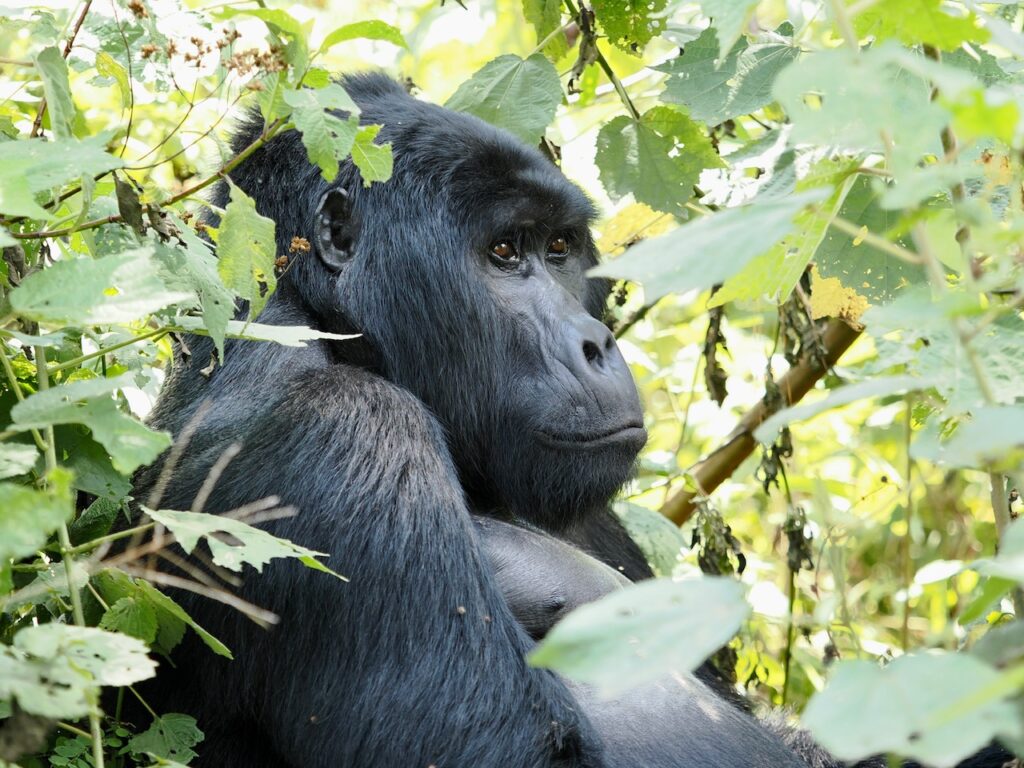
The vegetation becomes thicker, the path disappears and we slip, slide and scramble through the undergrowth to reach the our targeted group of mountain gorillas who are now close by. The group has seven members including two silverbacks and a mother with a one month old baby. the vegetation is dense so capturing photos is somewhat more challenging than our previous encounter.

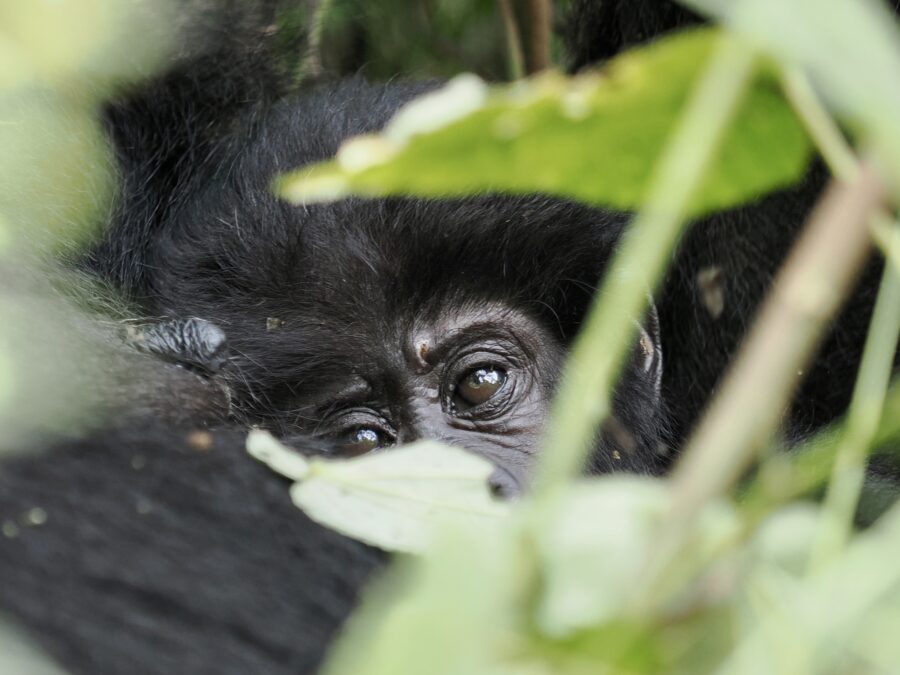
The silverback is protective of the mother and baby and initially places himself between them and us. Eventually he becomes more comfortable with our presence and we do manage to observe the baby who is quite helpless with flailing arms and legs and a floppy head.

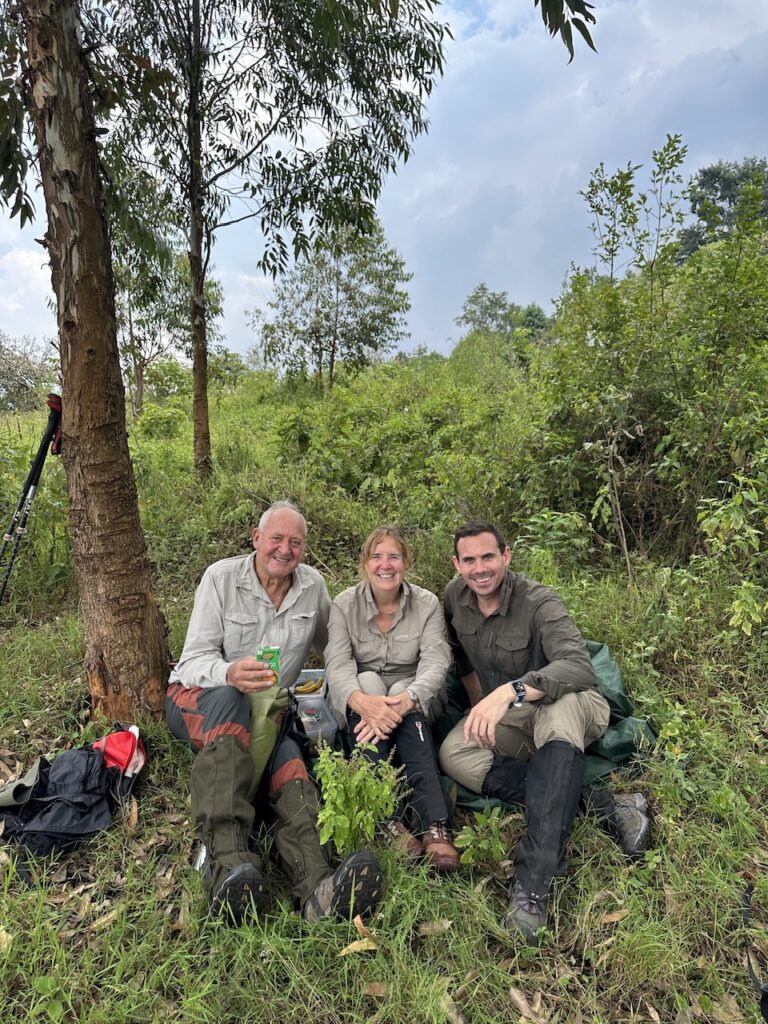
We spend just under an hour with the group – the most time the permit allows – and then feeling emotional, elated and privileged we leave the gorillas in peace. It is now mid-day so we sit under trees in a clearing and eat our picnic lunches…

… before returning the way we came. It is much easier going back. Downhill all the way!

Cambodia

Cambodia is very flat and we drive for miles past identical scenery. Brown fields which will grow rice in the wet season, scrawny cattle and very basic homes.

Most people here are farmers and very poor. Although the Khmer Rouge were defeated by Vietnamese troops in 1978 the actual war did not finish until 1998 with the death of Pol Pot. At that time people had nothing and have had to rebuild from scratch ( more on that later…) There is ribbon development pretty much the whole way along the roadside, but of simple shacks where people sleep (mainly in hammocks) as well as work.

Five hours after crossing the border we approach the capital Phnom Penh. Skyscrapers appear and smart buildings. This is in stark contrast to everything we have seen and comes as a shock and we shall learn more about this from our guide. A quick freshen up and then a sunset cyclo tour of the capital city.

First stop is Wat Phnom – a Buddhist pagoda built on a man made hill. It houses four Buddhist statues found inside a floating cedar tree by the lady Penh and built by her. Phnom means mountain, hence the capital city name of Phnom Penh. In front of the temple is a giant clock some 20 metres wide.

We cycle past Independence Monument which is surrounded by fountains.

This marks the eastern end of the memorial park where people exercise, play games, relax and drive around in smart cars.

There is great wealth here in stark contrast to the poverty everywhere else in the country. To the west of the Independence Monument is a statue of former King Norodem Sihanouk, built in 2013 at a cost of US$1.2 million.

We cycle past the Palace. Our guide tells us that it has floors made of solid silver, whilst opposite the palace, street stalls sell piles of crispy insects to eat. This is now a local delicacy, and came about as a result of the war where people were so hungry that in desperation they took to eating insects.

Our guide says he cannot say too much in public but all the development is foreign investment and mainly from China. They have elections but they have had the same Prime Minister for nearly 40 years and he has now been succeeded by his son. In the last elections there were 18 parties but over 90% of the votes went to the Cambodian Peoples Party… Make of that what you will. To date only five members of the Khmer Rouge have been prosecuted for their crimes. Many government offices are now held by ex Khmer Rouge members. We are told that people are not happy with the political situation. They can neither forgive nor forget… but if they do not want more conflict they must accept. And accept they do with huge grace and dignity. They are the warmest and friendliest people we have met and with a determination to re-build their lives and look to the future.

Today will be traumatic. We shall visit Choeung Ek Genocide Centre, which was one of the mass killing fields (to date 363 such sites have been identified). I can understand people not wanting to visit, but personally I could not come to Cambodia and not face the truth of what happened here. This recent history has defined the country as it is today. Of course, it will be difficult and upsetting, but I think if I want to understand the people and the country it is a story that needs to be heard.

So briefly what happened? The Khmer Rouge seized power on 17 April 1975 and their rule of terror lasted until 7 January 1979, when they were overthrown by the Vietnamese. (NB The war continued until 1998 when Pol Pot was killed). That is just 3 years, 8 months and 20 days. In that short time it is estimated 1.5 million died from execution and up to a further million died from disease and starvation. The total population of Cambodia at that time was only 7 million so roughly 30% of the population died. The Khmer Rouge swept into Phnom Penh and were greeted by happy and cheering crowds who believed that this would give them a better future.

They were lied to. Within 3 hours the killing had started. Everyone was told to leave the city and that they could return in 3 days when any dissidents and terrorists had been cleared. They never returned but were made to work in the rice fields. 1975 was declared “Year Zero”. Any signs of capitalism were abolished. No currency, schools, religion, businesses. All clothes had to be died black. Anyone who appeared to be an intellectual e.g wore glasses, soft hands or spoke a foreign language was executed. As well as any political opponents. Our guide tells us that his mother only had two cups of rice porridge a day and that there was so little rice you could count the grains. Everybody is working in the fields and growing rice. Why so little to eat? The majority is believed to have been exported to China. The Khmer Rouge were largely funded by China (over 90% of foreign aid received at that time).
Today Choeung Ek is a memorial, marked by a Buddhist stupa.

It has acrylic sides and contains over 5000 human skulls. It is a very powerful tribute to the dead.

From 1995 to 2007, the Documentation Center of Cambodia has set about the difficult – and often disheartening – task of mapping the Cambodian killing fields. Through interviews and physical exploration, DC-Cam identified  19,733 mass burial pits, 196 prisons that operated during the Democratic Kampuchea (DK) period, and 81 memorials constructed by survivors of the DK regime. Many of those sites contain – or once contained – the remains of thousands of victims, and they are located throughout 170 Cambodian districts and almost all of Cambodia’s provinces. 

Documentation Centre of cambodia

We walk around the sites of the mass graves. It is estimated that there are probably about 20000 bodies here and so far 8895 bodies have been exhumed. Many graves remain undisturbed. Loud music was played whilst the executions took place to hide the sound of people being bludgeoned to death.

Other mass graves are fenced off and plaques give the horrific details…

The hardest to see (for me as a mother) was the tree below. The reasoning for killing children was that if you kill the top of a tree the roots will re-grow so better to kill all the family so no-one can seek revenge.

After heavy rain clothing and human remains are still being washed to the surface.

We sit under a tree and try to assimilate what we have seen. There are many questions from us for our guide and he tells us of the horrors experienced by his family.

We drive back into Phnom Penh and stop at Tuol Sleng Genocide Museum, which is the memorial site of the S-21 interrogation and detention centre of the Khmer Rouge regime. It was originally a secondary school and blackboards are still on the walls.

Razor wire covers the front of the building. The security rules would be impossible to obey.

The interrogation rooms are grim and you can still see blood on the walls, floor and ceilings.

There were large rooms where many prisoners were shackled together. There were also isolation cells, which were tiny. The one below was occupied by Chum Mey, one of only 12 known survivors (18,o63 died here).

Chum Mey is now 94 and has written an account of his experiences, with all proceeds going to a victim support charity. I bought a copy from him and have now had a chance to read it. He is a remarkable man and has suffered unimaginable hardship.

Many of the old classrooms are now dedicated to the victims and contain thousands of photographs of them. Yet again the pictures speak volumes. I found this very emotional and over-whelming.

I leave you with the monument dedicated to all that died here.

We return to our hotel for a quiet afternoon to collect our thoughts. However Paul’s ears are still giving him trouble so we set off to a private clinic a short walk away. Here we are treated very professionally, ushered into a GP who is very thorough but recommends that Paul goes to the ENT Hospital. We are expecting a large bill but it is just $25. We take a tuk-tuk to the hospital, which is incredibly busy. We think that we shall be here a while, but could not be more wrong. We go to a counter give name, age, phone number and pay $10. We are shown into a room with about 10 doctors, lots of nurses, patients and sophisticated equipment. A doctor looks at Paul’s ears, says there is some wax to remove before he can test his hearing. We go back to the counter, pay another $5 and return to the same room where two nurses use an optic probe to look at the ear and then to carefully suction out any wax. Everything is displayed on a TV screen. Impressive. And also solves Paul’s hearing issue. A pretty good result for $15 and we have been there less than 30 minutes. They could teach the NHS a thing or two….

We need something to lift our spirits. What could be better than a Cambodian Kick Boxing Fight. A group of us think it will be fun and we set off across town in tuktuks. The roads are very busy and huge markets line the streets.

Our tuktuk driver is a lady and is great at multi-tasking. Not only can she negotiate the traffic, but she buys a mango and peels it whilst driving along. Good job!

We arrive at the ring. It does not seem overly busy and we are shown to ringside seats. Literally behind the judge. I am now questioning whether wearing a white shirt was wise….The matches are being televised, there are commentators behind us and big screens showing adverts.

The fighting is fast and furious. It is very skilful and I found it much more enjoyable than a conventional boxing match.

Some of our group feel the need to pose with one of the winners.

We leave the dark history of Phnom Penh behind us and can enjoy another early start and the best part of an 8 hour journey to Siem Reap. Lunch is at a lakeside restaurant. It’s a pretty location and I imagine even more so in the wet season when the lake water is deeper.

There is no doubt that we are packing a lot into this holiday but there is precious little downtime. We check-in at 16.00 and meet again for an orientation tour. We get our bearings and head for The Round Grill which Puna has recommended. It is a modern restaurant with air-conditioning and Puna tells us the food is excellent. We settle down into comfortable chairs at our table and order cocktails. We are looking forward to a quiet evening together away from the group. Sometimes you just want your own space and some of the group are quite loud. So how delighted are we when 8 of our group walk through the door? They invite us to join them. We politely decline.

Early mornings are wearing a bit thin and we have to leave at 04.30 to watch the sunrise over Angkor Wat. First we stop at the ticket office and have photos taken to go on the ticket. Then we walk in pitch darkness for about twenty minutes over the uneven sandstone path to Angkor Wat. We sit on the grass by some water where we are told we will get a great view and the reflection of the temple in the water. It is totally dark and there are too many people. They are all flashing torches and mobile phone lights around in the futile effort to see something. We seem to be surrounded by smokers and giggly teenagers. Frankly it is a pretty unpleasant experience. After a very unpleasant and uncomfortable 90 minutes in the dark we move. Now there is an inkling of daylight and pretty much everywhere else looks less crowded.

As the sky lightens I think I shall try out a test shot with the camera. It does not appear to be working and that would be because the battery is still in the charger in the room. Bother! At least I have the phone.

The photos are never going to be great as the sun is directly behind the temple. From a photographer’s point of view it would have been far better to come in the afternoon, although it would be very hot. Angkor Wat would have the sun shining on it and we could have been awed by seeing its grandeur as we walked across the 200 metre wide moat on the old sandstone causeway. Our guide tells us not to enter the temple until we have all met up after breakfast. We are close to the entrance and a security man tells us the temple is now open and we can go in. We do not hesitate. We can get a quick glimpse before the crowds arrive. Hurrah!

We gather after breakfast and are given a briefing about the temple. It took 37 years to build and involved 300,000 labourers. That is some ego trip as a memorial to yourself when you die! The sandstone was brought from the mountains 60 km away. It was floated on barges along the river and then transported by elephant. Most stones have holes in them which is where poles were put to lift them.

Then it is time to go inside. What is amazing is how well preserved everything is after 1000 years or more – apart from many of the Buddha heads which have been cut off and stolen….

A short drive stakes us to Ta Prom temple which was used for the filming of Tomb Raider. It is completely different to Angkor Wat, smaller and in places largely taken over by the jungle. It is quite crowded but nonetheless impressive for that.

Huge kapok trees snakes their way through the buildings like some alien beast. It really is quite something to see, although of course this is slowly destroying the temple.

There is a lot of restoration work being carried out now, which is good to see.

Outside the temple, a group of musicians are playing traditional instruments. They all have severe injuries from landmines. It is yet another grim reminder of the enduring effects of the war. We stand and watch, thank them and of course we make a donation, though in the scheme of things it feels pretty inadequate.

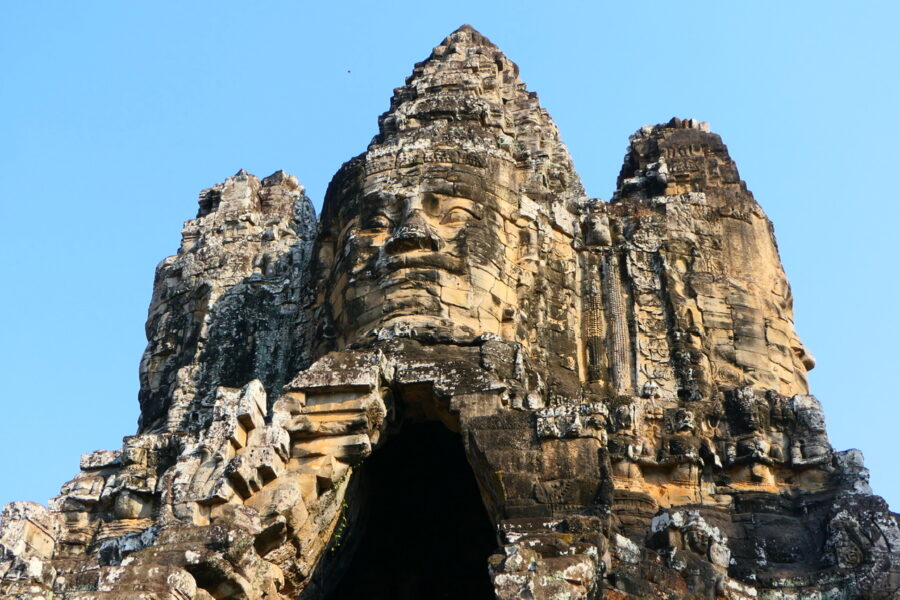
We visit one more temple The Bayon of Angkor Thom before going for a much needed nap. It is a Buddhist temple built in the 12th or 13th century and known for its many smiling faces.

This evening we eat at the New Hope restaurant, a project supported by G Adventures. The meal is excellent and it is nice to think that the proceeds from our meal are helping to fund the training program.

Planeterra Project

New Hope Foundation

In 2010, Planeterra worked with New Hope Outreach Centre to build a training restaurant to support young Khmers living just outside of Siem Reap. Over $60,000 CAD in donations were raised through one of our partners G Adventures, to build the restaurant and provide professional training to young adults that expressed interest in the hospitality industry. The training program is a six-month commitment and our ground partners assist with full-time job placements in one of the many burgeoning hotels, resorts and restaurants in the Siem Reap region.

Since the restaurant became fully operational in 2011, our partner G Adventures has annually sent thousands of customers and travellers to the training restaurant. Trainees of this program have found placements in careers in the hospitality industry. The proceeds from the traveller’s meals support over 1,000 student’s education and 1,000 free medical checkups through New Hope’s Outreach program, reaching some of the poorest areas outside of Siem Reap. New Hope’s programs go beyond training and education, providing health care through their centre, and providing fresh water to the student’s families to reduce sickness. In 2019, New Hope engaged children in waste reduction programs which helped to build their respect for the natural environment, and create a safer, cleaner space.

Planeterra.org

This is our last day in Siem Reap. Tomorrow we shall have a long drive across the border and back to Bangkok. As such most people have decided to take the day easy. We want to visit one more temple and it turns out no-one else in the group wants to go so we have a private tour and I would say it was definitely our favourite. But first we make a stop at the South Gate to Angkor Thom.

A grand causeway crosses the 100m wide moat which is flanked on each side by 54 stone giants pulling on the body of the Naga serpent.

On one side, the giants represent Devas featuring slender oval eyes and a casual smile.

On the other side they depict Asuras with round bulging eyes and grimacing faces. They represent an endless tug of war between good and evil. This symbolism is displayed in all of the temples we have visited.

We continue to Preah Khan Temple which is accessed by a path through the jungle. It is great there is no-one part from the two of us and our guide JB. He tells us that wherever we see a termite mound there was once a building and there are a lot of termite mounds. We walk for 20 minutes and arrive at a clearing where we get our first glimpse of the temple. It feels like we are the first people to ever set eyes on it although of course that is not the case.

The temple is in a poor state of repair and trees are encroaching upon it, but it no less interesting for that.

One of the great things about having a one-to-one experience with a guide is that you have the opportunity to get to know him. JB tells us about how difficult the war was for his family. They were wealthy and had a large house. The Khmer Rouge took it over and turned it into a prison. Many of his family disappeared and after the war the house was burnt down and the family were left with bare earth and just the clothes on their backs. Twenty years ago JB started being a tour guide and set up his school 10 years ago, supported by his earnings from being a guide.

Below is an excerpt from his Facebook site. What an incredible, inspirational and caring man.

Greetings from Cambodia! I hope you and your family are doing well. It was a real pleasure being your tour guide in Cambodia and a privilege to share the history, culture, and heritage of Cambodia with you.
Today, I want to share my life’s mission and the story of JB School, which brings hope to children in Meanchey.
I founded JB School in 2013 to provide free English and computer literacy classes to local children in Meanchey, Siem Reap Province. When I first set up the school, I would teach 150 children in the area next to my parents’ house. Today, JB School has grown, and we now offer daily lessons to more than 400 children. Most of them come from farming families living well below the poverty line. They attend our school after their regular classes, and since 2013, JB School has been able to provide free education to over 4,500 students.
Growing up in this very community under difficult circumstances, I understand the transformative power of education. As a child, I walked many kilometers to school every day, sometimes wading through floodwaters with my books on my head. Despite the challenges of post-war Cambodia, I achieved my dream of learning English and becoming a tour guide in 2003. JB School was born from my desire to give back to the community that raised me and to help the next generation realize their own dreams.
That’s why I am reaching out to see if you would consider supporting JB School. Your generosity and support can help ensure that these children continue to have a place where they can grow, learn, and dream.
Operating the school requires a monthly budget of $1,530, and meeting this budget each month is a significant challenge.
Every contribution makes a difference. Whether it’s funding a teacher’s salary, covering electricity bills, or providing notebooks for our students, your kindness can directly shape the future of a child.
Thank you for taking the time to read this and for considering being a part of our journey. Your friendship and support mean the world to me, and I hope we can work together to bring hope and opportunity to the children of JB School.

With gratitude and warm regards,
Chamroeun Sok (Mr. JB)
Founder, JB School

JB takes us to a lovely local restaurant next to a very impressive man-made lake which was built as the Royal Swimming Palace. In the centre there was a grand swimming platform but there is little of it left now.

We spend a lazy afternoon and in the evening for a change from oriental food find a good pizza restaurant. We then whole away sometime in a brand new cocktail bar which was really up-market. It even had bidet toilets with heated seats that wash and dry your nether regions automatically! I wasn’t wearing my glasses so pushing the right buttons for the right function was a slight challenge. Definitely a first world problem!

Next day is a travelling one with a long drive across the border into Thailand and back up to Bangkok. I’d forgotten just how sprawling and immense Bangkok is and the air pollution is truly terrible. It has been a fantastic trip. A real travellers adventure with so many different encounters and much to provoke a lot of thought. There is no doubt that we have returned home as different people. It would be impossible to not be changed – I hope for the better – by all that we have seen and experienced.

Page 2 of 36

Powered by WordPress & Theme by Anders Norén